
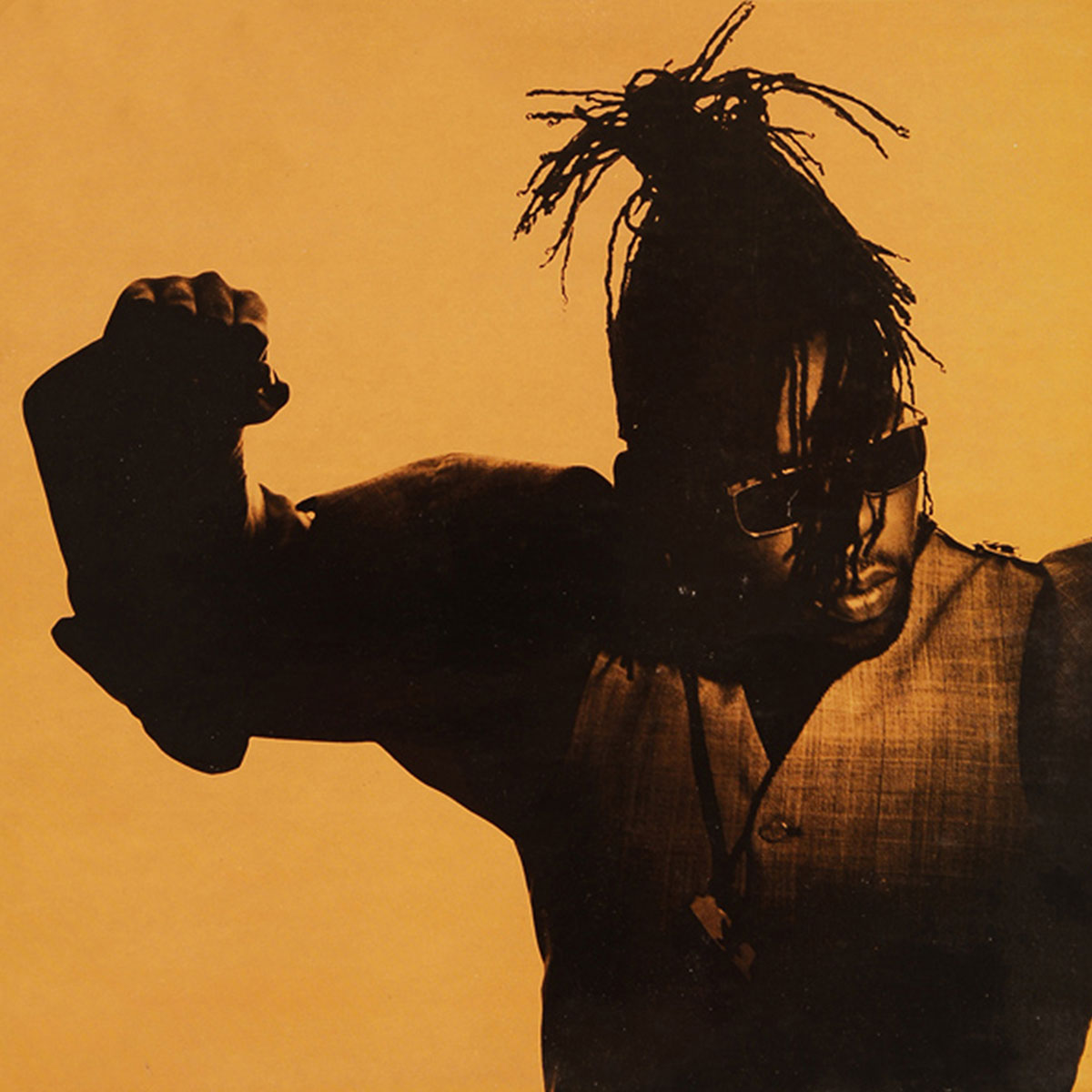
Glossy Magazine caught up with Jazzie B.
The Soul II Soul founder talks Manchester, four decades of music, the enduring power of Back to Life and why Manchester Cathedral is going to be “lit”.
Few British artists have influenced music, fashion and club culture quite like Jazzie B.
As the founder and driving force behind Soul II Soul, he helped create a distinctly British sound that travelled from London’s sound-system culture to dancefloors around the world. Tracks including Keep on Movin’ and Back to Life (However Do You Want Me) became defining records of an era, yet more than three decades later, they continue to connect with new generations.
Now Soul II Soul are preparing to bring those unmistakable grooves to one of Manchester’s most extraordinary settings: Manchester Cathedral on 9 October.
Ahead of the show, Jazzie B talks cathedrals, Manchester club culture, Soul II Soul’s extraordinary journey and the music that still matters to him.
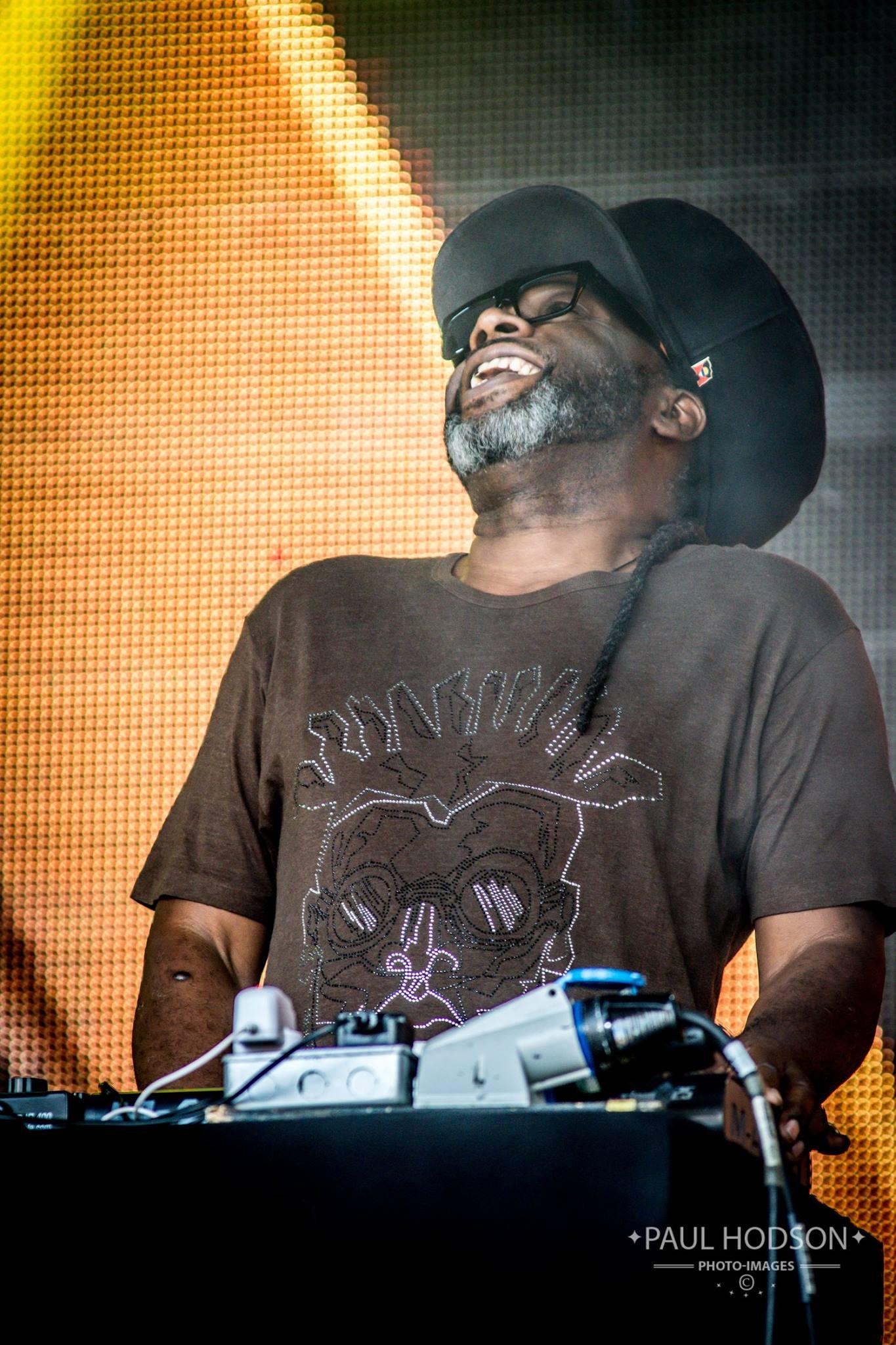
GM: Manchester Cathedral isn’t exactly the average gig venue. What went through your mind when you were first asked about playing there?
Jazzie B: Well, I’m never really told anything. I’m usually asked!
When they asked us to do Manchester Cathedral, my only issue was the size of the place. We’ve done a few cathedral gigs; Liverpool comes to mind, so it’s somewhere we’re accustomed to playing now.
GM: Soul II Soul’s music has always been as much about atmosphere as the songs themselves. How do you think tracks such as Back to Life and Keep on Movin’ will feel inside the cathedral?
Jazzie B: Back to Life and Keep on Movin’ will feel great anywhere in bed, in the shower, in the bath, at a festival, in a club, at a christening. What do you think?
GM: You’ve played some extraordinary venues around the world. Does somewhere with the history and architecture of Manchester Cathedral change the way you approach a performance?
Jazzie B: Atmosphere is always important, and I guess that goes along with location.
Changing anything or adapting anything specifically for it? Not necessarily. I think most of the songs really work in those kind of angelic surroundings, reverberating and bouncing off the walls.
Songs like Keep on Movin’, Missing You, Jazzie’s Groove there are so many others. And Back to Life in there…
GM: Manchester has its own incredible history of club culture, soul, dance music and independent music. Have you always felt a connection with Manchester audiences?
Jazzie B: I’ve been going to Manchester since the mid-’80s, and probably before that through the church and our community.
There have always been members of the brigade, as it were, all around the place. Manchester serves up something interesting, particularly in club culture.
From a Black perspective, going to clubs and different sound-system gigs in Manchester, there has always been a connection between our musical communities.
GM: Soul II Soul emerged from London’s sound-system and club culture and went on to become an international success. Looking back at that journey, did you ever imagine it becoming so big?
Jazzie B: I’m not sure we’ve actually achieved it yet!
But if you go back to my first album, I called it Club Classics Vol. One. Voilà!
GM: Back to Life became one of those rare records that transcends generations. Why do you think it still connects with people more than three decades later?
Jazzie B: I think the connection with the music and where we are today is because the lyrics and melodies transcend any decade.
I guess they’ll always be relevant because of what we sang about inclusivity and optimism.
GM: When did you first realise Soul II Soul had become more than a club movement and had taken on a wider cultural significance?
Jazzie B: I guess that was mainly brought to my attention through doing press, to be honest with you. You know what journalists are like they make up stuff so they can have a line or two!
All that part about realising a club movement was turning into something of cultural significance… I guess it’s cultural significance because I’m Black.
I wonder whether you’d ask the same question if it was a white person.
GM: Soul II Soul created something distinctively British at a time when Black British music wasn’t necessarily receiving the international recognition it does today. Do you think the importance of what you achieved is better understood now?
Jazzie B: No, not at all.
There were hundreds of forerunners before me. You had Eddy Grant and The Equals, and there were so many other British bands around at the time who became iconic.
Loose Ends, for example, all of these things were way before Soul II Soul.
So I guess they left a little crack in the back door somewhere, and we just leaned on it.
GM: Your famous philosophy “A happy face, a thumping bass, for a loving race” became about much more than music. Does that message feel even more relevant in 2026?
Jazzie B: I don’t know. You tell me.
GM: If you had to introduce somebody who had never heard Soul II Soul before to just one of your tracks, which would you choose?
Jazzie B: Keep on Movin’, I guess.
GM: And what would you call the greatest soul record ever made?
Jazzie B: James Brown, Doing the Best I Can.
GM: One artist, living or dead, you’d still like to share a stage with?
Jazzie B: It sounds arrogant, but I’ve done it. I’ve been there and done it with most of the people I’d like to.
But if there was anybody else… Donny Hathaway.
GM: Finally, complete this sentence: Manchester Cathedral on 9 October is going to be…
Jazzie B: Lit.
Out of here. Peace.
STILL KEEP ON MOVIN’
There is something characteristically Jazzie B about refusing to turn Soul II Soul’s story into a monument to the past.
The records may have become classics, but nostalgia isn’t really the point. The themes he identifies optimism, inclusivity and bringing people together remain embedded in the music.
And Manchester feels particularly appropriate.
The city’s own relationship with clubs, dance music, soul and sound-system culture provides a natural backdrop for Soul II Soul, while the soaring architecture and acoustics of Manchester Cathedral promise something altogether different from the conventional concert hall.
More than three decades after Back to Life and Keep on Movin’ first filled dancefloors, those basslines are about to reverberate through the walls of one of Manchester’s most historic buildings.
As Jazzie B puts it rather more succinctly:
It’s going to be lit.
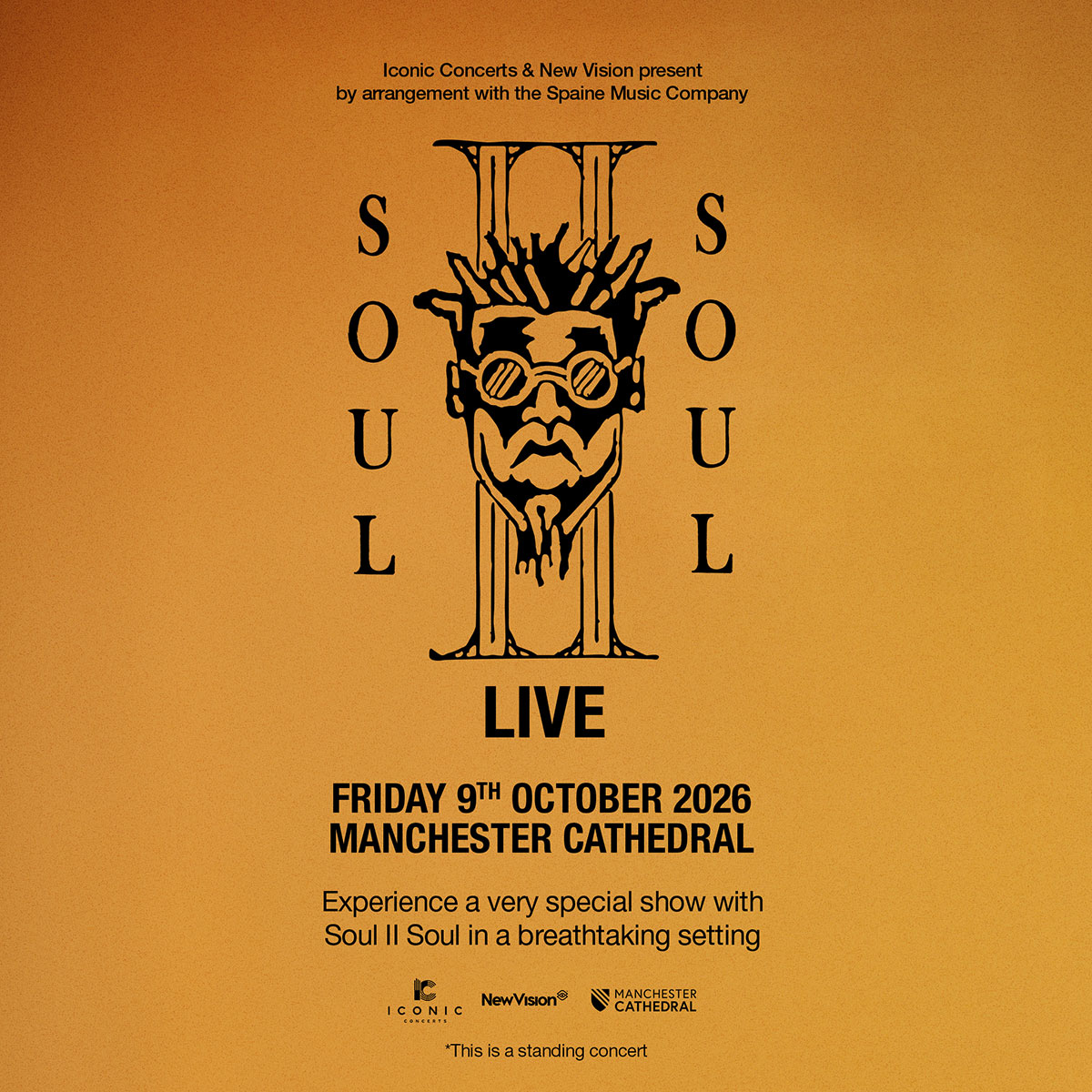
SOUL II SOUL AT MANCHESTER CATHEDRAL
Manchester Cathedral
9 October 2026
Interview: Salim Uddin-Khandakar