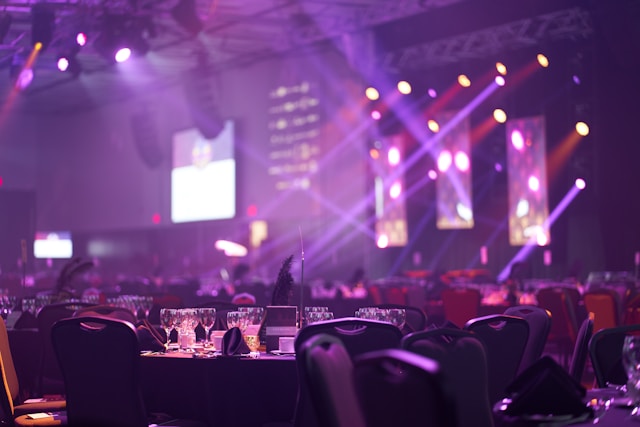
A truly memorable event isn’t just a gathering; it’s an experience that sweeps guests away, leaving a lasting impression long after they’ve gone home. While perfect planning and a great guest list are essential, the real magic comes from the atmosphere. It’s the carefully crafted vibe that turns a simple get-together into something special. Creating this kind of environment means more than just picking a venue and a menu; it involves engaging all the senses from the moment people arrive. Thoughtful event lighting can dramatically transform a space, setting the perfect mood and guiding guests through an unforgettable experience.
Building a powerful atmosphere takes careful thought and strategy. It’s about layering things like light, sound, and visuals to create a complete world for your guests to step into. Focusing on these details helps you guide emotions, tell a story, and make sure your event truly connects with people.
First Impressions Count
The first few minutes of an event really set the stage for everything that follows. This initial impression is a huge chance to grab your guests’ attention and show them what the occasion is all about. A messy or underwhelming entrance can leave people confused or disappointed, which is tough to fix later. On the flip side, a grand, smooth, and engaging arrival immediately raises expectations and builds excitement.
Think about the whole journey from the street to the main event space. This includes clear signs, a well-run and welcoming registration process, and an entryway that makes a statement. A simple red carpet is classic, but you can do so much more with smart design. Imagine an entry tunnel bathed in colored light, a custom archway that matches your event’s theme, or digital screens showing a welcome message. The goal is to gently pull guests from the outside world into the unique environment you’ve created. Professional audiovisual production for gala dinners and awards nights is often key to making this happen, turning a standard venue entrance into a stunning gateway that signals the start of something special.
The Power of Thoughtful Lighting
Lighting is one of the most powerful tools for shaping an event’s atmosphere, and it’s often overlooked. It does more than just light up a room; it sculpts the space, draws attention, and deeply affects how guests feel. Basic overhead lights can make a room feel flat and sterile, but a layered approach adds depth, drama, and warmth. Think of lighting in three main parts.
First, there’s ambient lighting, which sets the overall mood. This is the base light that fills the room, and its color and brightness are crucial. Warm, dim lighting creates a cozy, relaxed feeling, perfect for a fancy dinner. Cooler, brighter light can generate energy and excitement, great for a product launch or a lively reception. Second, task lighting serves a practical purpose, like lighting up food stations, registration desks, or speaker podiums. Finally, accent lighting highlights architectural features, flower arrangements, or branding elements. Techniques like uplighting walls, using spotlights on centerpieces, and projecting custom patterns (gobos) onto floors or ceilings are all forms of accent lighting that add visual interest. By combining these layers, you create a dynamic and visually rich environment that feels deliberate and professionally designed. Good ambient lighting essentials can be the difference between a forgettable space and an unforgettable experience.
Soundscapes and Music Cues
Sound is just as important as visuals for creating ambiance. The right audio can guide the event’s emotional flow, while the wrong sound or distracting noise can completely ruin the mood. A well-designed soundscape goes beyond just a background playlist. It considers the entire acoustic environment, including the music, the volume, and getting rid of unwanted sounds like kitchen noise or microphone feedback.
Music should be chosen carefully to match the different parts of your event.
- Arrivals: An upbeat, mid-tempo playlist can build energy and encourage mingling as guests walk in.
- Dinner: During meals, the music should be softer and slower to help people talk. Instrumental tracks or sophisticated lounge music often work well here.
- Key Moments: Use specific music cues to highlight important moments. A dramatic “walk-up” track for award winners, a celebratory song for a big announcement, or a subtle sound effect can add polish and impact.
The psychology of music shows that sound directly affects mood and how people perceive things. A carefully planned soundscape makes sure the audio part of your event enhances the experience, rather than detracting from it. This means working with professionals who understand acoustics and can ensure crystal-clear sound for speeches and announcements while keeping a pleasant background ambiance.
Visual Storytelling
Every event tells a story, whether it’s celebrating company achievements, honoring individuals, or launching a new brand. Your visual elements should work together to tell this story compellingly. This means moving beyond static decorations and into dynamic visual content that engages and informs your audience. Digital displays, video projections, and custom animations can turn plain walls into powerful storytelling tools.
For an awards night, you could use large screens to show high-quality video packages for each nominee, building an emotional connection with the audience before the winner is even announced. At a corporate gala, you might use projection mapping to project animated company logos or historical timelines across the building’s architecture, turning the venue itself into a canvas. This technique can create a stunning, immersive experience that feels unique to your event. The key is integration. Visuals shouldn’t feel like an afterthought; they should be woven into the event’s design, reinforcing the main theme and message at every turn. When done well, visual storytelling makes the event’s purpose clear and leaves a much stronger impact on attendees.
Cohesive Design Elements
Cohesion is what brings all the individual atmospheric elements together into one immersive experience. When every detail, from the lighting color to the font on the menu, aligns with a central theme, the entire event feels more polished, professional, and impactful. This consistency creates a strong sense of place and purpose, making the experience more memorable for guests. A cohesive design shows a high level of intentionality and attention to detail.
Developing a clear theme or concept is the first step. This concept will guide all your design choices, and inspiration can come from anywhere, including trendsetting fashion and lifestyle magazines. For example, an event with a “Modern Metropolis” theme might use cool blue and silver lighting, sleek minimalist furniture, geometric patterns projected on the walls, and a menu featuring contemporary cuisine. The invitations, digital signs, and even the staff’s outfits would all reflect this modern, urban look. This approach requires you to develop a cohesive event theme that can be expressed through multiple sensory channels. When lighting, sound, visuals, and decor are all speaking the same design language, they amplify each other, creating an environment that is much greater than the sum of its parts.
Ultimately, creating an exceptional event ambiance means going beyond the basics. It’s about understanding that every light, sound, and visual contributes to the overall feeling in the room. By thoughtfully orchestrating these elements, you can craft an experience that not only looks beautiful but also feels deeply engaging and memorable for every guest.
Image Credit: Unsplash