

Mr Paul Sutton, Consultant Colorectal Surgeon at The Christie Private Care, part of HCA Healthcare UK, answers your bowel cancer questions.
Bowel cancer is one of the most common cancers in the UK, yet reluctance to talk about bowel symptoms and a tendency to put troubling signs down to something less serious mean too many people put off getting checked. We need to change that, because the earlier bowel cancer is diagnosed, the easier it is to treat – and that makes every conversation we have about it worthwhile.
How common is bowel cancer, and who is most likely to be diagnosed?
Bowel cancer is the fourth most commonly diagnosed cancer in the UK, with over 46,000 new cases every year. According to Cancer Research UK, 1 in 17 men and 1 in 20 women will be diagnosed during their lifetime – but concerningly, men are also less likely to seek help promptly when symptoms do appear.
The majority of people are diagnosed over the age of 50. However, we are seeing a clear rise in cases among younger adults, which is why I encourage people of every age to be mindful of their bowel health. Having a close family member who has been diagnosed with bowel cancer can also increase your risk, as can a diet high in processed or red meat and low in fibre, obesity, and smoking.
What are the signs and symptoms to look out for?
The symptoms of bowel cancer can be easy to dismiss or pass off as something else, which is exactly why they’re worth knowing. They include:
- A persistent, unexplained change in your bowel habit, particularly towards looser or more frequent stools
- Blood in your stool or bleeding from your bottom (this is never normal)
- Unexplained weight loss
- Unexplained fatigue
- Abdominal pain or bloating that keeps returning
- A noticeable lump in your stomach
The word persistent is important here. We all experience digestive changes from time to time, and in most cases these symptoms will be due to something else. However, if something doesn’t resolve within a few weeks, or keeps coming back, get it checked.
Is there anything I can do to reduce my risk?
While you can’t change your age or family history, there are meaningful lifestyle changes that can reduce your risk. Over 10% of bowel cancer cases in the UK are linked to eating processed meat – so cutting down on foods like bacon and sausages, and eating more wholegrains and fibre-rich foods, can make a real difference. Maintaining a healthy weight and taking regular physical activity also matter, as does reducing alcohol intake and stopping smoking. It’s also worth knowing your family history: if you have close relatives who have been diagnosed with bowel cancer, you may benefit from speaking to a specialist to understand your personal risk.
What happens if I’m referred for investigation?
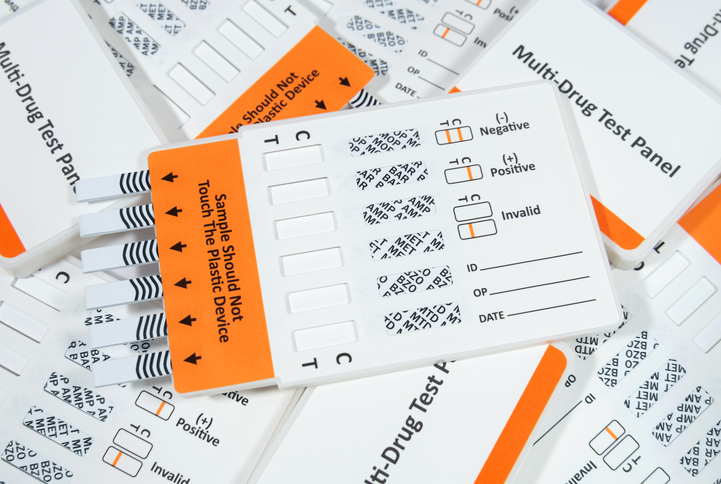
Depending on your symptoms and risk, we often start with a stool test to look for blood in the stool, known as a FIT test. Following this, the next step will be a colonoscopy – which allows us to look inside your bowel using a special camera. It may seem daunting, but it’s a common procedure which is usually performed under light sedation and isn’t typically uncomfortable. It’s worth knowing that most people referred for investigation do not have bowel cancer, but identifying the cause of your symptoms quickly is important, whatever the outcome.
What does treatment involve if bowel cancer is diagnosed?
At The Christie Private Care, treatment is planned by a specialist multidisciplinary team – bringing together colorectal surgeons, oncologists, radiologists, specialist nurses, and other cancer experts, who will recommend the best approach for you based on your individual diagnosis. Surgery is often the primary treatment, and may be combined with chemotherapy and/or radiotherapy. Treatment options have advanced considerably in recent years, and outcomes continue to improve – particularly for those diagnosed at an early stage.
If you have any concerns about your bowel health, you can speak to your GP or book an appointment with one of our GPs at The Wilmslow Hospital, part of HCA Healthcare UK. Alternatively, our colorectal specialists would be happy to see you as well to discuss your bowel health.

To Find out more about The Christie Private Care
www.hcahealthcare.co.uk/locations/hospitals/the-christie-private-care
Book a GP appointment at The Wilmslow Hospital