When we imagine our dream home, we usually picture a place that fits our current life and style. But what if that dream home could also change with us, no matter what the future holds? Building a home that’s comfy, safe, and easy for everyone in the family to use, from little kids to grandparents, isn’t just a nice idea. It’s a smart move for your happiness and well-being in the long run. This is what it means to build a ‘forever home’ that truly lasts a lifetime.
Designing for Every Life Stage
This idea of a home that grows with you is often called ‘universal design’. It’s all about making spaces that anyone can use, no matter their age, size, or ability. We’re not talking about clinical, hospital-like changes here. Instead, it’s about making smart, stylish choices that just make life easier for everyone. If you think about age-inclusive and accessible design right from the start, you won’t have to deal with awkward or expensive fixes later on.
Think about those little things that really make a difference. For example, wide hallways and doorways aren’t just crucial for people using wheelchairs. They’re also super handy when you’re pushing a pram, bringing in groceries, or moving furniture. And lever-style door handles and taps? They’re much easier for small children or anyone with a weaker grip to use compared to those old-fashioned round knobs.
Good lighting is another big one. A brightly lit home means fewer trips and falls, and it makes everyday tasks simpler for those whose eyesight might be changing. When you mix natural light with different kinds of artificial light like overhead fixtures, task lighting in the kitchen, and lamps in living areas, you get a space that feels both practical and welcoming, no matter the time of day.
The Benefits of Single-Level Living
One of the biggest steps you can take to make your home accessible is to get rid of stairs. You can even find out about accessible home grants to help with any changes you need to make. A single-level layout means you can move around smoothly, which is a huge plus for people at every stage of life. For families with young kids, it means no worrying about tumbles down the steps. For older adults, it removes a major hurdle to moving around freely and staying independent.
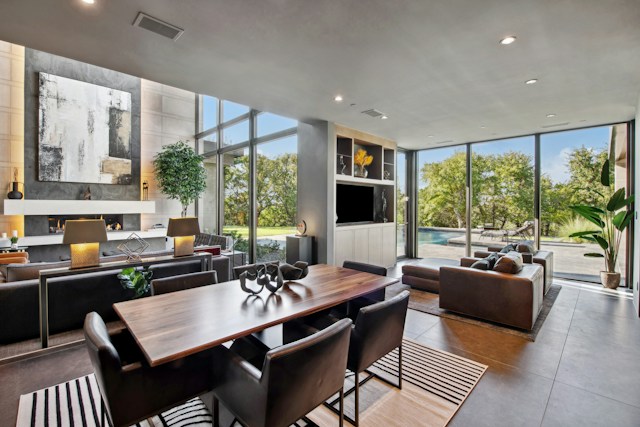
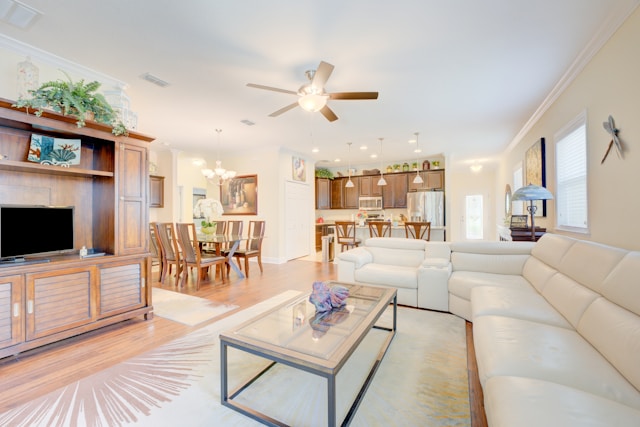
Beyond the obvious safety benefits, single-storey homes create a unique sense of flow and connection. Open-plan living feels even more natural when everything is on one level. It encourages family time and makes the whole space feel bigger and airier. Modern single storey home designs have really perfected this, designing layouts that are both incredibly practical and beautiful. They often have central living areas that lead off to private bedroom wings, giving you a great mix of togetherness and personal space.
There are practical perks, too. Cleaning and upkeep are simpler because you don’t have to lug a vacuum cleaner up and down stairs. Even something as basic as doing laundry is less of a chore when you’re not navigating multiple floors. This easy living reduces daily physical strain, leaving you with more energy for the fun stuff.
Smart Layouts for Independent Living
A smart layout is super important for helping everyone stay independent, especially in a home with different generations living together. An open-plan kitchen, dining, and living area lets everyone feel connected even if they’re doing different things. Someone can be cooking in the kitchen but still be part of a conversation in the living room. This is perfect for keeping an eye on kids or chatting with older relatives.
Designing private spaces is just as key. A master bedroom on the ground floor with its own bathroom is a cornerstone of accessible design. This means the main residents have everything they need on one level, keeping their comfort and privacy intact as their mobility changes. When you’re planning the bathroom, think about features that will be useful now and in the future. A walk-in, curbless shower looks sleek and modern, and it also gets rid of a tripping hazard. Pair that with non-slip flooring, and you have a stylish choice that puts safety first.
Storage is another area where clever design can make a huge difference. Kitchens with pull-out pantry shelves and deep drawers instead of low cupboards mean less bending and stretching. Similarly, wardrobes with adjustable-height rails and shelves you can easily reach make getting dressed a simpler and more dignified experience for everyone. These thoughtful touches are key to integrating accessibility solutions smoothly into your home’s design.
Future-Proofing Your Home Choice
Future-proofing isn’t about knowing what’s going to happen; it’s about making smart choices that keep your options open. When you’re building or renovating, you can add features that will make future changes easier and cheaper. For example, reinforcing bathroom walls during construction means you can easily install grab rails later if you need them, without having to rip open the wall.
Technology also plays a big part in creating a home that supports independence for the long haul. Smart home systems are getting more advanced and easier to use all the time. Voice-activated controls for lights, heating, and blinds can be a huge help for people with limited mobility. Automated security systems, video doorbells, and smart locks can give both residents and their families peace of mind. The whole point of this inclusive design for living longer is to use technology to make daily life better, not more complicated.
Think about how flexible your rooms are. A study on the ground floor could easily become a bedroom if needed. A second living area could turn into a playroom for grandkids or a quiet spot for a live-in carer. By choosing a floor plan with spaces that can adapt, you’re building a home that can change with your family’s circumstances, making sure it stays the perfect fit for many years to come.
Ultimately, designing a home for all ages means creating a space that feels welcoming, comfortable, and practical for everyone. It’s a forward-thinking approach that puts quality of life first, making sure your home isn’t just a building, but a supportive place where you can thrive through every stage of life.
Image Credit: Unsplash