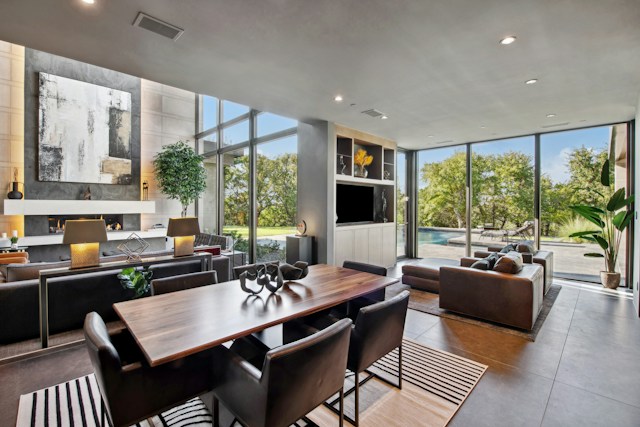
As the years go by, you may start to notice that the space you once had plenty of room for no longer seems quite enough. The rooms haven’t changed, but your life has. What once felt spacious can slowly become crowded with toys, school bags, furniture and everything else that comes with a growing family. Before long, the dining table doubles as a desk, the spare room becomes a bedroom, and every bit of storage seems full.
It’s easy to assume that more space means moving to a bigger house, but that isn’t always the case. Before you start looking at new properties, take a fresh look at the home you already have. An unused loft, an underused garage or even an awkward corner could give you the extra room you need.
There are plenty of ways to use your existing space better. The right approach can give your family room to grow without the cost and disruption of moving house.
The Challenge of Growing Families
Family life is constantly changing. The spare room that was once a perfect guest space is now a nursery. The open-plan living area that felt so modern now lacks the quiet corners needed for homework or remote work. Most homeowners experience these growing pains.
When kids are little, they can share rooms, and their toys can be contained in one area. But as they grow into teenagers, personal space and privacy become a big deal. A single bathroom that worked for a couple can become a major bottleneck for a family of four. The rise of flexible work has also added a new layer to the challenge. A dedicated home office has shifted from a nice-to-have to a necessity for many, and carving out that space in an already busy home can feel impossible.
Reimagining Unused Areas
Before you consider major construction, walk through your home and look for “lost” space. Many houses have areas that are underused or serving a purpose that no longer fits the family’s lifestyle. The formal dining room is a classic example. If your family eats most meals in the kitchen, that beautiful room might sit empty for 360 days a year. Could you use it better as a playroom, library, or home office? This kind of change often requires minimal renovation, using furniture and smart design to redefine the space.
Look for other opportunities as well. Is there a wide hallway that could accommodate a built-in desk and shelving? What about the space under the stairs? This classic dead zone is perfect for creating a cosy reading nook, a small cloakroom, or custom storage for shoes and bags. Even awkward corners in a living room can be claimed. Add a comfortable chair, a small table, and a good lamp to create an intentional zone for reading or relaxing. The key is to challenge your assumptions about how each room should be used and find creative ways to maximise your home’s potential.
The Power of Loft Conversions
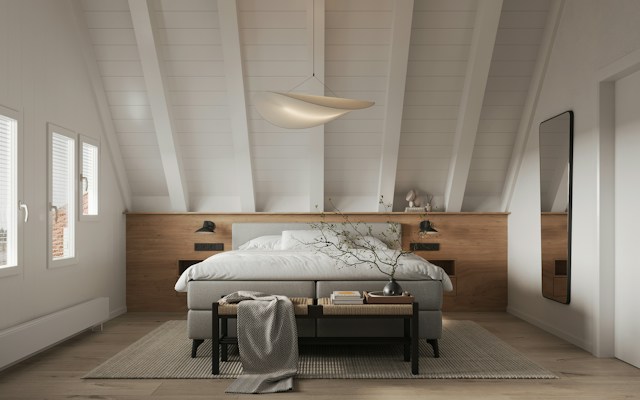
One of the most effective ways to add space is to make use of your loft. For many homes, it’s an underused area, often filled with old boxes and insulation. With well-planned loft conversions, you could give yourself a main bedroom suite with an en-suite bathroom and walk-in wardrobe, a pair of children’s bedrooms, a spacious home office away from the noise of the main floor, or a family entertainment room. Dormer windows and skylights can bring in more natural light, while the layout and finishes can be tailored to suit your home and how you use the space.
Considering Garage and Bathroom Additions
Two other high-impact projects that create much-needed space are garage conversions and bathroom additions. If your garage has become a cluttered storage unit for everything but your car, it represents a huge opportunity. Converting a garage can be a straightforward way to add a ground-floor bedroom, ideal for guests or multi-generational living. You can also transform it into a durable playroom, a home gym, or a large office with its own separate entrance, creating a clear boundary between work and home life. A well-executed conversion can add hundreds of square feet of valuable living space.
Adding another bathroom can also be a game-changer for a growing family. The morning rush becomes far less stressful when you have more than one shower available. If you’re converting a loft or adding a main bedroom suite, including an en-suite bathroom is almost always a wise choice. Even adding a small cloakroom on the ground floor can greatly improve the flow and convenience of your home for both family and guests. While it’s a significant investment, homeowners often recoup a significant portion of the cost through increased property value and, more importantly, a huge boost in daily quality of life.
Seamless Integration with Existing Homes
A truly successful home addition or conversion feels like it was always part of the original design. Achieving this seamlessness requires careful planning and attention to detail. The goal is to avoid the “tacked-on” look, where the new space feels disconnected from the rest of the house in style, materials, or flow.
For example, maintain architectural harmony by matching exterior materials like cladding, roofing, and window styles as closely as possible. If you’re adding a dormer to your loft, for instance, its pitch and design should complement the existing roofline. Inside, the transitions should feel natural. Flooring should be consistent or complementary, and skirting, doors, and hardware should match what you use in the rest of the house. Pay attention to traffic flow. The new doorway to your converted garage shouldn’t open awkwardly into the middle of your kitchen. Instead, you might create a small utility area or hallway to serve as a proper transition. Thinking through these details ensures the new space enhances the entire home, not just adding a separate box onto it.
Finding more room in your current home takes creativity and vision. Looking at your house not just for what it is but for what it could become helps you create a space that truly fits your family’s evolving needs without the stress and expense of moving.
Image Credit: Unsplash