Bringing a dog into your life is one of the most rewarding experiences. Their unconditional love, boundless energy, and goofy antics fill our homes with joy. In return for all that happiness, we’re responsible for giving them the best care possible, including essential tips for keeping dogs healthy. Keeping your canine companion happy, active, and secure involves more than just daily walks and a bowl of food. It’s a commitment to their overall well-being, from their puppy days through their senior years. This guide offers practical advice to help you build a strong foundation for a long and healthy life together.
Building a Foundation of Proactive Health Care
Your dog’s health starts with a strong relationship with a trusted veterinarian. Regular check-ups aren’t just for when your pet is sick; they’re essential for preventive care. An annual wellness exam lets your vet monitor your dog’s weight, check their heart and lungs, and spot potential issues before they become serious. These visits are also the perfect time to make sure your dog is up-to-date on crucial vaccinations that protect them from common and sometimes life-threatening diseases.
Beyond vaccinations, consistent parasite control is vital. Fleas, ticks, and internal worms can cause everything from skin irritation to severe illness. Your vet can recommend the best preventive products for your dog’s lifestyle and your local area. Being proactive is always more effective and less stressful than treating an infestation or infection after it has taken hold. Of course, even with the best preventive care, unexpected illnesses or accidents can happen. These situations can be emotionally and financially stressful. Having a plan to manage veterinary costs can make a significant difference. Many owners find that a good policy, such as dog insurance from Purely Pets, allows them to focus on their dog’s recovery without the added financial worry.
Nutrition for a Vibrant Life
What you put in your dog’s bowl directly impacts their energy levels, coat health, and long-term vitality. The world of dog food can be confusing, but the key is to choose a high-quality, balanced diet appropriate for your dog’s specific needs. A growing puppy has different nutritional requirements than a sedentary senior dog. A high-energy working breed needs more calories than a small companion dog. Look for foods where a specific meat source, like chicken or lamb, is listed as the first ingredient. Avoid foods with vague ingredients like “meat by-products” or excessive fillers like corn and soy.
Portion control is just as important as food quality. Obesity in dogs is a major health concern and can lead to joint problems, diabetes, and a shortened lifespan. Follow the feeding guidelines on the food packaging as a starting point, but adjust the amount based on your dog’s activity level and body condition. You should be able to feel their ribs easily but not see them. Remember that treats count toward their daily caloric intake, so use them wisely. A consistent feeding schedule is also a key part of your pet’s daily happiness routine, helping to regulate their digestion and behaviour.
The Importance of Daily Exercise and Mental Stimulation
A tired dog is a happy dog, but physical activity is about much more than just burning off excess energy. Regular exercise helps maintain a healthy weight, strengthens the cardiovascular system, and supports joint health. The type and amount of exercise your dog needs will vary greatly depending on their breed, age, and overall health. For some, a brisk 30-minute walk twice a day is perfect. For others, especially high-energy breeds, activities like running, hiking, or vigorous games of fetch are necessary to keep them content.
Mental stimulation is just as crucial as physical exercise. A bored dog is more likely to develop behavioral issues like chewing, barking, or digging. Engaging your dog’s brain is a powerful way to prevent these problems and strengthen your bond. You can do this through:
- Puzzle Toys: These toys require your dog to solve a problem to get a treat, providing a fun and rewarding challenge.
- Training Sessions: Short, positive training sessions to practice old commands or learn new tricks are a fantastic mental workout.
- Scent Work: Hiding treats around the house or yard and encouraging your dog to use their nose to find them taps into their natural instincts.
- New Experiences: Simply taking a different route on your walk or visiting a new park exposes your dog to new sights and smells, which is highly stimulating.
Ultimately, a mix of physical and mental activities is the best way to ensure you know how to keep your dog happy and well-behaved.
Grooming and Hygiene Routines for a Healthy Coat and Skin
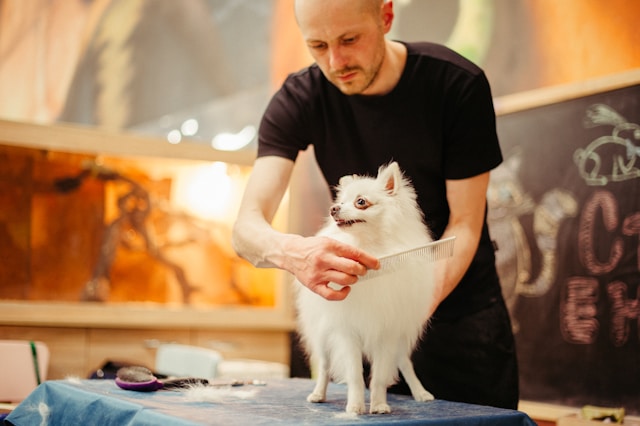
Grooming is an essential part of your dog’s care routine that goes far beyond aesthetics. Regular brushing removes loose fur, prevents matting, and distributes natural oils that keep their coat shiny and skin healthy. The frequency of brushing depends on your dog’s coat type. Long-haired breeds may need daily attention, while short-haired dogs might only need a weekly brush. Bathing should be done as needed, but not too frequently, as it can strip the skin of its natural oils.
Grooming sessions are also the perfect opportunity to perform a quick at-home health check. As you brush them, run your hands over their entire body to feel for any new lumps, bumps, or sensitive spots. Check their ears for redness or odour, and look at their paws for any cuts or cracked pads. Dental hygiene is another critical component of general dog care that is often overlooked. Regular teeth brushing with a dog-specific toothpaste can prevent plaque buildup, gum disease, and other serious health issues down the line. Finally, keeping their nails trimmed is important for their posture and comfort, preventing painful overgrowth that can affect their gait.
Creating a Safe and Secure Home Environment
Your home should be a safe haven for your dog, but many common household items can pose a threat. “Dog-proofing” your space is a crucial step, especially when you first bring a new dog or puppy home. Get down on their level to see what they might be tempted to chew on or ingest.
Keep the following items securely out of reach:
- Cleaning supplies and chemicals
- Human medications
- Certain houseplants like lilies, tulips, and sago palms
- Foods like chocolate, grapes, onions, and anything containing the sweetener xylitol
- Small objects that could be a choking hazard
Beyond indoor safety, make sure your yard is secure. Check your fence regularly for any holes or weak spots where a curious dog might escape. If you don’t have a fenced yard, always keep your dog on a leash when outside. Finally, proper identification is your best insurance policy if your dog ever gets lost. A microchip is a permanent form of ID that any vet or shelter can scan. In addition, your dog should always wear a collar with a tag that includes your name and phone number. This simple combination gives you the best possible chance of being reunited with your beloved pet.
Caring for a dog is a significant commitment. However, the effort you put into their health and security is returned tenfold in loyalty and companionship. By being proactive with their health, thoughtful about their needs, and diligent about their safety, you can ensure your four-legged friend lives a long, happy, and vibrant life by your side.
Image credit Unsplash