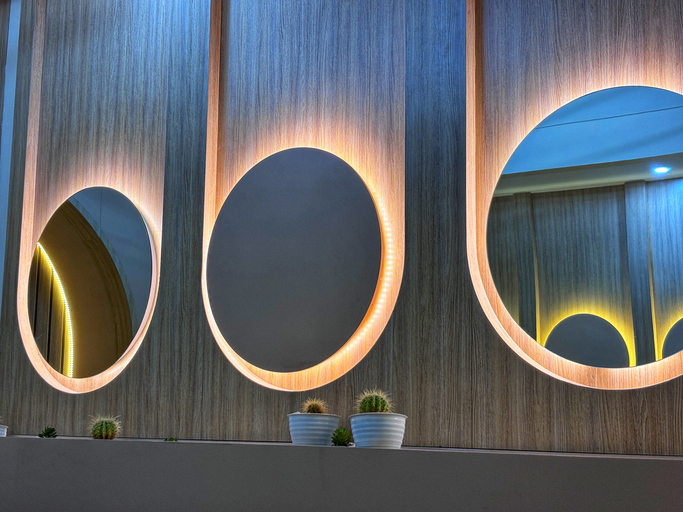
Your home entrance is much more than a simple drop zone for keys and mail. It is the vital introduction to your personal sanctuary. Neuroscience research indicates that people form their emotional first impression of a property within 50 to 100 milliseconds of stepping through the front door. This fleeting moment instantly sets the psychological tone for the rest of the house. Beyond aesthetic appeal, these transition spaces hold significant financial weight. A 2025 real estate finance study revealed that homes featuring a highly inviting entryway and strong street appeal sell for an average of 7% more than comparable properties in the same neighbourhood. Furthermore, professionally styled homes that emphasise well-lit foyers and optimised spatial flow spend 73% less time on the market. They can even sell for up to 25% more than unstaged properties. Recent surveys show nearly half of homeowners are now prioritising front-of-house renovations to maximise property appeal.
The Psychology of Spatial Design
Understanding how we physically and emotionally interact with our environment is the crucial first step in creating a show-stopping entrance. The structural and geometric design of a room has a profound impact on an occupant’s mood, physiological stress, and overall comfort. A recent university study highlights this connection perfectly. Researchers investigating the neurophysiological effects of architectural spaces found that the shape of a room directly influences wellbeing. According to the findings, occupants in non-traditional, curved spaces reported feeling better, had a lower heart rate and exhibited higher creative output when compared to those in standard rectangular rooms. By incorporating fluid architectural forms and organic curves into your foyer, you can actively lower cortisol levels. This transforms your entrance into a calming, stress-reducing environment right from the threshold.
Scaling Up with Statement Lighting
Lighting is arguably the most critical element of entrance design, especially when dealing with grand proportions. For homes with dramatic architectural height, selecting the right lighting is absolutely paramount. A beautifully crafted foyer high ceiling chandelier serves as an anchor piece that draws the eye upward, celebrating the sheer volume of the space rather than letting it feel cold or empty. To properly scale lighting in these taller entryways, interior architects rely on a standard sizing formula. By adding the length and width of the foyer together in feet, you can determine the ideal chandelier diameter in inches. This simple mathematical trick ensures your statement lighting feels perfectly balanced within the broader architectural context. Designers are increasingly utilising these pieces to apply modern design principles, using seamless architectural transitions and clever illumination to psychologically increase a home’s perceived square footage.
Establishing a Cohesive Design Theme
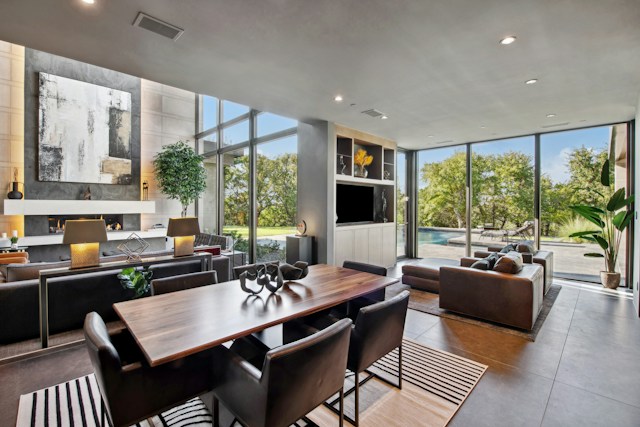
Once the architecture and foundational lighting are set, the next step is establishing a unified aesthetic. The entryway introduces the vibe of the entire house, making it essential to connect this space to your broader interior style. If you are already looking into maintaining a cohesive design theme throughout your property, you will know that consistency is key. Australian interior forecasts for 2026 highlight a major shift toward warm minimalism. This approach steps away from stark, sterile environments, favouring earthy colour palettes and textured organic finishes that naturally guide guests from the front door into the main living areas. The biophilic minimalism design trend is heavily dominating interiors this year. Even the 2026 Australian Interior Design Awards prominently rewarded residential projects that prioritised exquisite materiality, natural light, and occupant wellbeing.
Actionable Steps for a Welcoming Entryway
Bringing these high-level design concepts to life requires a careful focus on practical details. Whether you are working with a sprawling, double-height foyer or a modest hallway, there are several proven strategies to elevate the space and leave a lasting impression. Consider these expert tips to refine your entrance:
- Embrace Biophilic Elements: Integrate natural textures, organic materials, and fluid geometric shapes. This actively lowers stress and creates a healing sanctuary from the moment of entry.
- Prioritise Smart Storage: Clutter instantly increases visual stress and detracts from the architecture. Invest in built-in cabinetry or sleek console tables to hide everyday items like shoes, bags, and umbrellas.
- Layer Your Lighting: Combine a strong central statement piece with softer, ambient wall sconces. This creates a welcoming, layered glow that flatters both the architecture and your guests.
- Maximise Space with Mirrors: A well-placed, oversized mirror can reflect natural light and visually double the size of a compact entryway.
- Introduce Subtle Fragrance: Scent is closely tied to memory and emotion. A high-quality reed diffuser or a subtle room spray can instantly enhance the perceived luxury of your home.
Ultimately, a well-designed entrance is a delicate balance of architectural science, psychological comfort, and personal style. By paying close attention to spatial flow, upgrading your lighting fixtures, and committing to a cohesive design theme, you can easily transform a simple transit zone into a breathtaking focal point. First impressions matter, and with a few strategic updates, your home can offer a masterclass in modern, welcoming design.