The spaces we live in every day really shape how we feel: our well-being and how independent we are. When our surroundings are designed thoughtfully, specifically for our needs, daily routines can shift from being a struggle to being comfortable and even joyful.
This is especially true for people with mobility issues or chronic conditions. For them, specialized facilities and home changes aren’t just nice-to-haves; they’re essential for a better life.
Defining Quality of Life
When we talk about “quality of life,” it’s easy to focus only on physical health. But it’s much broader than that. It includes our emotional state, how independent we feel, our relationships, and our ability to do things we enjoy. It’s about feeling safe, comfortable, and in control of your own space.
For someone facing physical challenges, a good quality of life might mean being able to cook a meal alone, move easily from room to room, or enjoy a relaxing activity without pain. Specialized facilities and smart home design directly address these things. They remove obstacles and help people feel more in charge and satisfied with their lives. The aim is to create a place that supports a full, engaging life, rather than getting in the way of it.
The Power of Purpose-Built Design
Purpose-built design means creating spaces with a specific use or person in mind right from the start. Instead of just adding temporary aids to a standard home, this approach builds accessibility directly into the structure. This could be as simple as designing a home with no steps at the entrance and wider hallways, or as complex as installing a residential elevator. The key is that these features blend in seamlessly, not like they were added later.
This intentional approach is crucial for improving quality of life through architecture. When a home is designed around someone’s needs, it reduces daily frustrations and frees up mental and physical energy for more meaningful activities. For example, smart home technology can let someone control lights, thermostats, and security systems with their voice, which significantly boosts their independence.
Water’s Role in Well-being
Water’s healing properties are well known. For people with arthritis, chronic pain, or mobility issues, hydrotherapy offers gentle resistance, supports body weight, and eases stiff joints. It’s a unique environment where moving becomes easier and less painful, helping both physical recovery and mental relaxation.
Bringing this therapeutic power home is more possible than many realize. Specialized residential pools can include features like gently sloped ramps, submerged platforms for easy entry, and precisely controlled water temperatures.
Creating these environments takes specific expertise, so working with experienced hydrotherapy pool builders is vital to make sure the design meets both clinical and personal needs safely and effectively. An accessible pool isn’t just a luxury; for many, it’s a critical tool for daily pain management and exercise.
Empowering Independence Daily
Everyday tasks that many of us take for granted can become big hurdles for those with limited mobility. Specialized design focuses on removing these barriers in the most-used areas of the home, especially the kitchen and bathroom. An accessible kitchen might have countertops at different heights, pull-down shelving in upper cabinets, and appliances with easy-to-reach controls.
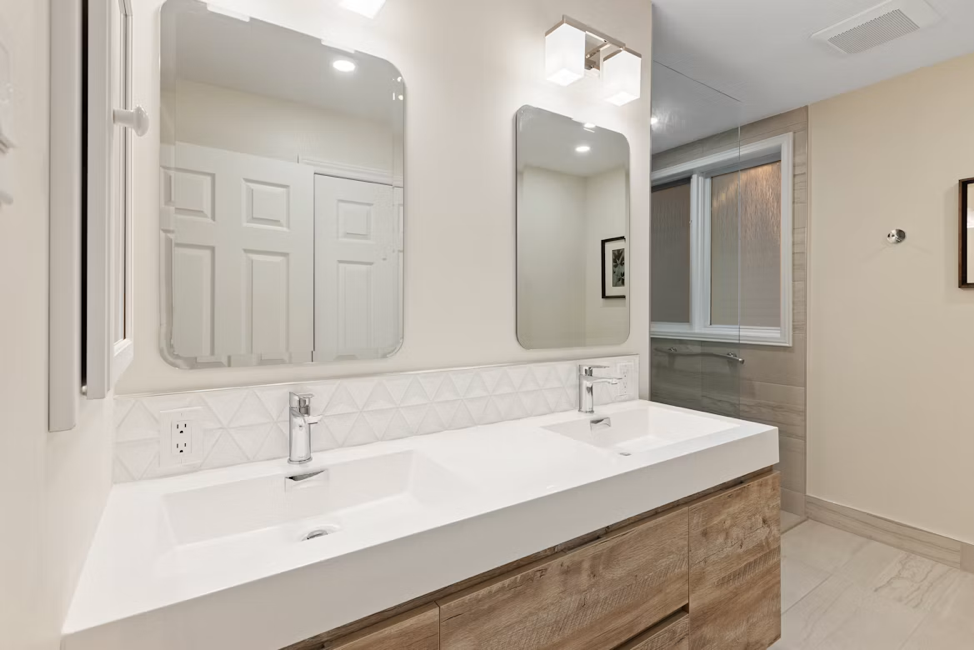
In the bathroom, a zero-threshold or walk-in shower gets rid of the danger of stepping over a high tub wall. Well-placed grab bars offer stability, and a shower seat provides a safe place to rest. These changes aren’t just about safety; they’re about helping a person manage their personal care independently, which is fundamental to self-esteem and daily happiness.
Designing for Dignity
Perhaps the most important part of specialized design is how it focuses on dignity. An accessible space should also be beautiful, comfortable, and reflect the owner’s personal style. For too long, accessible design was linked to a cold, clinical look that made a home feel more like an institution. Modern approaches completely reject this.
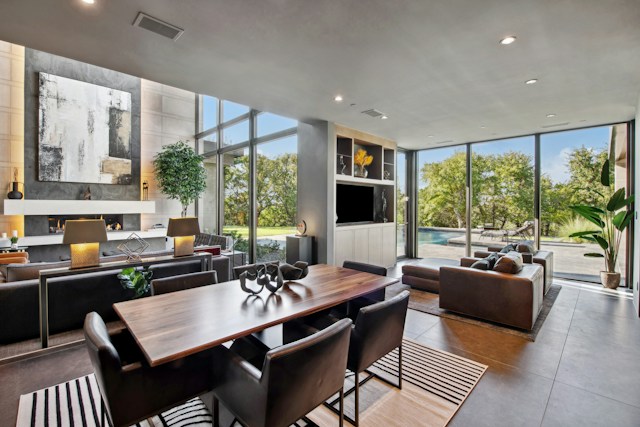
Today, the focus is on universal design principles that are both functional and visually appealing. The impact of design on long-term care environments shows that a warm, non-institutional setting improves emotional well-being. Grab bars now come in stylish finishes, ramps can be integrated into elegant landscaping, and accessible showers can feature beautiful tilework. The ultimate goal is to create a home that is welcoming and supportive for everyone, without sacrificing style or comfort.
Ultimately, designing for accessibility is about designing homes with purpose for a better human experience. By removing physical barriers and creating supportive spaces, we help people live with more independence, comfort, and dignity.
Image Credit: Unsplash