
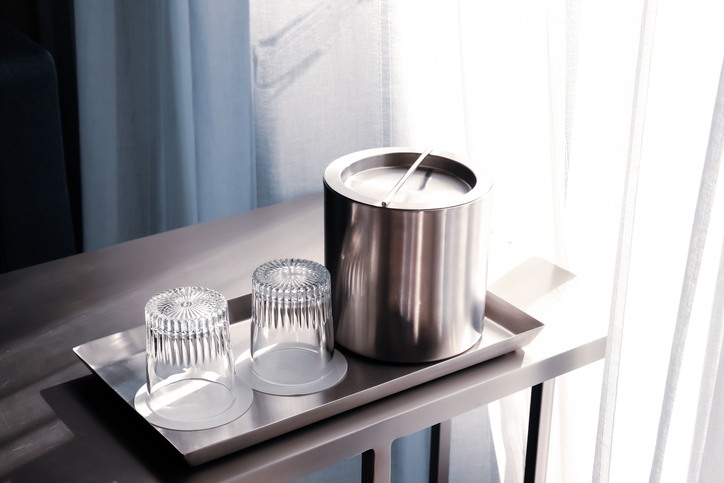
Nothing kills the mood at a home bar faster than reaching for ice and finding a pool of cold water instead. The bucket holding those cubes matters far more than most people think. A good one keeps drinks cold from the opening toast to the final nightcap; a bad one turns into a glorified bowl within the hour. Too many buyers pick based on looks alone, ignoring the one thing that actually counts: thermal performance. Here’s what to focus on before spending a cent.
Why Most Ice Buckets Fail After a Few Hours
Single-wall metal or acrylic containers have almost zero ability to block heat. Warm air passes right through the material, and cubes start shrinking within the first hour. By the 90-minute mark, the bucket is half slush. Thin lids only make things worse, trapping humid air on top of already-melting ice. Once someone understands why cheap options collapse so quickly, the search for something better gets much easier.
Insulation Type Matters More Than Appearance
Wall construction is the single biggest factor separating a bucket that works from one that doesn’t. Double-wall vacuum insulation creates an airless gap between two shells, which dramatically cuts heat transfer. Stainless steel models built with vacuum technology can hold ice in solid form for up to 6 hours. A durable insulated ice bucket for home bar with this kind of build handles long dinner parties, game nights, and backyard cookouts without constant refills. Foam-insulated versions also outperform basic single-wall designs, though they rarely match vacuum-sealed results over a full evening.
Material and Build Quality
Stainless Steel
Stainless steel sits at the top for both durability and cold retention. It resists corrosion, wipes clean in seconds, and fits almost any bar aesthetic. Opting for higher-gauge steel adds strength without adding weight.
Copper and Brass Finishes
Both materials look stunning on a bar cart. The catch is that bare copper conducts heat rapidly. Buyers should look for copper-coated exteriors layered over an insulated inner core. Visual appeal should complement function, not replace it.
Acrylic and Plastic
Lightweight and budget-friendly, acrylic works fine for casual patio use. Insulation performance stays limited, so melt rates run higher. These suit short for outdoor sessions where topping off the ice every so often isn’t a hassle.
Lid Design and Seal
The lid is constantly overlooked, yet it plays a critical role. A snug cover traps cold air inside and blocks warmth from creeping in. Silicone-rimmed lids outperform loose, flat-top versions by a wide margin. Some designs include a flip-open section or a built-in tong notch, cutting down on how often the full lid comes off. Each time that container opens, cold air escapes. Fewer removals mean longer-lasting cubes.
Size and Capacity
Picking the right volume prevents both waste and poor results. A compact 1.5-liter bucket works well for a quiet evening with two people. Groups of six or more call for a 3-liter vessel at a minimum. Overpacking a small container forces cubes above the rim, leaving them exposed to room temperature. Underfilling a large one creates excess air space that warms the interior faster than expected.
Additional Features Worth Considering
Condensation Control
Exterior sweating leaves rings on countertops and bar carts. Double-wall construction typically eliminates moisture buildup on the outer surface. That small detail protects furniture and keeps the serving area presentable.
Tongs and Strainer Inserts
Bundled accessories add genuine convenience. A perforated strainer basket lifts cubes above meltwater, keeping them dry and firm for longer. Matching tongs reduces direct hand contact, which helps with hygiene during service.
Portability
Handles or a lighter frame make moving from the kitchen to the patio effortless. Entertainment rarely stays in one room, so easy transport saves real time during a busy gathering.
How to Test Performance Before Committing
Fill the bucket with ice, close the lid, and check back every two hours. A solid insulated model should show minimal melting at the four-hour mark under typical indoor conditions. Verified buyer reviews also provide honest, real-world feedback that polished product descriptions rarely capture.
Conclusion
An ice bucket that lasts through the entire evening comes down to four things: insulation quality, material choice, lid fit, and the right capacity for the occasion. A striking design means very little if cubes dissolve before the second round of drinks. Putting thermal performance first ensures every gathering stays smooth from start to finish. One smart purchase today saves years of watered-down cocktails and frustrating trips back to the freezer.