
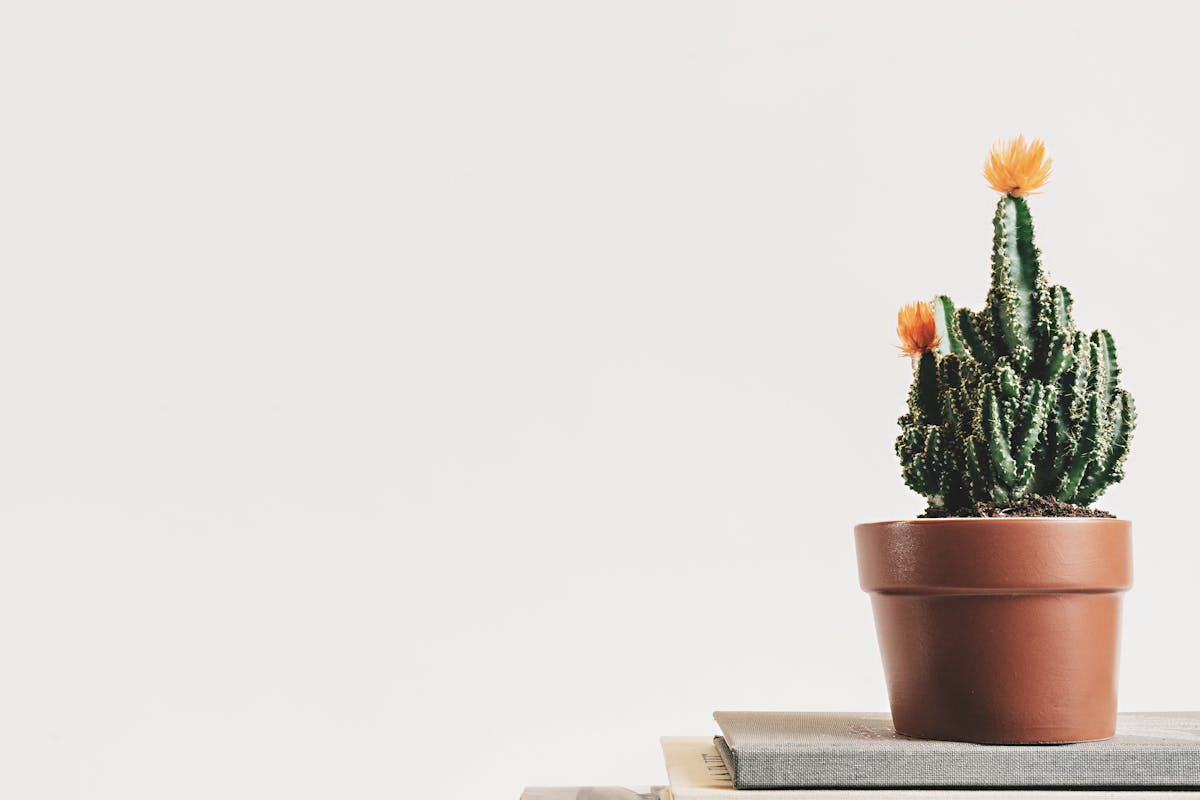
For many people, when they hear the word ‘minimalist’, they instantly think about an environment which is white and sterile. But living in a minimalist home doesn’t mean that you can’t express your personality. What it does mean is that you want to live in a home which is free of clutter. Sheeplands Self Storage can certainly help out with this in a big way.
One that allows your mind to find peace in the space that you have created. But never a place which is boring and uninspired. So, let’s run through a few top tips right here that will help you to create your very own clutter-free minimalist home environment.
Begin with White Space
A big part of minimalism is learning to love white space rather than stuff. Essentially, your best way to start when you are creating a minimalist home environment is with clearness and openness. So, this means decluttering to get rid of all the extra stuff which you don’t really need in your home. You should be looking to remove the things which don’t provide any use or happiness in your house as a starting point.
Keep Handmade Touches
It is the handmade items in your home which are going to be the ones to make it stand out. So, when you are looking to decorate, think about putting these front and centre. If your home is just filled with mass-produced furniture, it will end up just the same as everyone else’s. So, you could decorate your home in a more eclectic style. Look for the items which offer meaning. Perhaps it is a handmade quilt which has been in your family for generations. Maybe it is a framed photo of a holiday that means a lot to you. It could be a piece of art which you received for your birthday. Bring your rooms to life by displaying your personality.
Don’t Forget About Functionality
Your home can’t only be about beauty; it also needs to be functional as well. For example, your living room needs to have sofas, an entertainment unit, a TV and bookshelves. Your bedroom obviously needs a bed, storage units for your clothes, seating, a bedside table, and lighting. Once you have this foundation firmly in place, you can then start thinking about the personal mementos, photos and other decorative items that you want to highlight.
Use Light to Decorate
One of the most ubiquitous and useful decorative tools that you can use is light. So, you could start off with a dramatic colour on your walls, and a few well-chosen light fittings to highlight your favourite features. As well as artificial lighting, don’t forget about the natural stuff as well. During the spring and summer months, lighten up your window dressings and you can ensure that you can encourage more sunlight into the space.
Choose a Centrepiece of Each Room
Every room should have a clear centrepiece which draws the eye straight away. For example, in the living room, this could be a beautiful piece of art, a nice view or perhaps a well-created fireplace. Once you have decided on what your centrepiece or focal point is going to be, you can then set about making everything else work around this.