As autumn’s chill creeps in, we all start thinking about turning on the central heating. And while a warm, cosy home is what we’re after, the thought of huge energy bills can really take the fun out of the season. Good news, though: you don’t have to pick between being comfy and saving money. If you understand how your home uses and loses heat, you can make smart changes that keep you toasty and your wallet happy.
Understanding Your Home’s Heat Loss
Before you can heat your home smartly, you need to figure out where all that precious warmth is sneaking out. Heat loss is the hidden reason behind those high heating bills and that stubborn chill in your house. Usually, the main culprits are drafts, poor insulation, and old windows.
Take a walk around your home and feel for cold air coming from around doors and windows, through letterboxes, or even from unused chimneys. Just sealing these gaps with simple draft stoppers or some sealant can make a difference right away. If your attic isn’t insulated, you could be losing as much as a quarter of your heat right through the roof. Cavity wall insulation is a big deal too. And if you have single-pane windows, think about hanging thick, thermal-lined curtains to add an extra layer against the cold at night.
Smart Thermostats: A Modern Must
One of the best ways to get a grip on your heating is to upgrade your thermostat. A smart thermostat actually learns your family’s routine and adjusts the temperature on its own. That means you won’t be wasting energy heating an empty house. Plus, you can control it from your phone, so you can switch the heating on just before you get home or turn it off if you forgot.
This kind of control is super important for how you can save money with a smart thermostat, because it stops you from wasting energy. By setting up schedules and getting the temperatures just right, homeowners can really cut winter heating costs without giving up any comfort. It’s an easy upgrade that puts you firmly in charge of how much energy you use.
The Role of Radiators in Efficiency
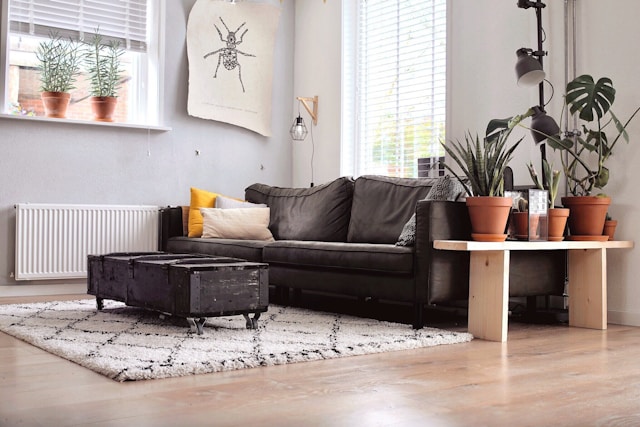
Your radiators are the last stop for your home’s warmth, so it’s key that they’re working well. Make sure they’re performing properly by bleeding them regularly to let out any trapped air, which can cause cold spots and make them less efficient. Also, check that furniture or thick curtains aren’t blocking them, as this prevents heat from circulating effectively around the room.
The material and design of your radiators also affect how efficiently they distribute heat. Traditional cast iron radiators are designed to retain warmth for longer than many modern alternatives, continuing to release heat even after the boiler has switched off. This steady heat output helps maintain a comfortable temperature while complementing both period and contemporary interiors.
Zoning for Ultimate Comfort
Why heat your whole house when you’re only using a few rooms? That’s the simple idea behind heating zones. Zoning lets you set different temperatures for different parts of your home. So, you can have the living room nice and warm in the evening, while keeping the spare bedroom at a lower, more economical temperature.
The easiest way to start zoning is by adding Thermostatic Radiator Valves (TRVs) to your radiators. These simple gadgets let you control the temperature in each room individually. For something more advanced, smart TRVs can link up with your smart thermostat, letting you create detailed schedules for every room in the house right from your phone. This focused way of heating means you’re only using energy exactly where and when you need it.
Making a few smart changes to how you heat your home can lead to big savings and a much cosier space. By tackling heat loss and using modern controls, you can enjoy a warm and inviting home all winter long, without the worry of a huge bill.
Image Credit: Unsplash