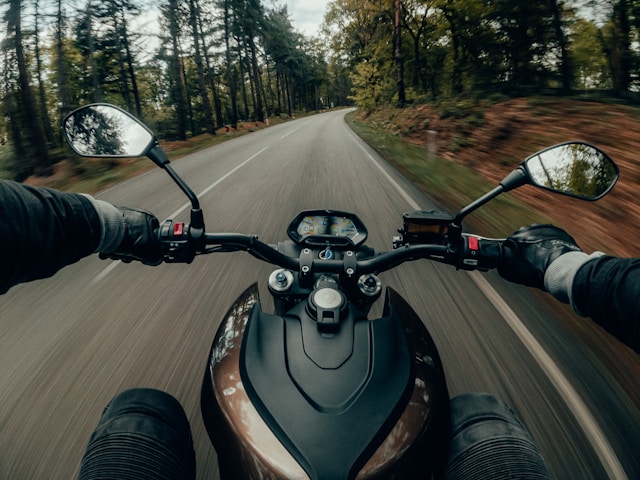
The call of the open road is powerful, promising freedom, adventure, and a unique connection to your surroundings. For many, this dream involves two-wheeled travel, a feeling shared by those who enjoy a simple weekend cycle and those who yearn for the rumble of an engine. The principles of balance and awareness are universal, but learning to ride a motorcycle adds a whole new layer of skill and exhilaration. Starting this journey is exciting, but it requires preparation, respect for the machine, and a commitment to safety. This guide will walk you through the essential steps to get you from aspiring rider to confidently exploring the world on two wheels.
The Thrill of Learning to Ride
Becoming a motorcyclist begins long before you buy your first bike. It starts with the decision to learn, a step that involves professional training and a healthy dose of respect for the process. In the UK, this means completing your Compulsory Basic Training (CBT), while in Ireland it is the Initial Basic Training (IBT). These courses teach you the mechanics of operating a motorcycle and instil the core principles of road safety and awareness from a rider’s perspective. You will learn about balance, throttle control, braking, and how to position yourself on the road for maximum visibility.
Successfully pulling away, changing gear smoothly, and navigating a corner for the first time will be a moment of pure triumph. It is a feeling of direct control and connection that is hard to replicate. This initial training is foundational. A good instructor will build your confidence while ensuring you understand the risks. For a more detailed look at the initial steps, a guide to learning motorbike riding can provide an excellent overview of what to expect from your training. Remember, every experienced rider started exactly where you are, so embrace the learning curve and listen carefully to your instructors.
Choosing Your First Bike
Once you have your training certificate, the exciting search for your first motorcycle begins. The sheer variety can be overwhelming, but the key is to choose a bike that fits you and your skill level, not one that simply looks impressive. For new riders, it is wise to steer clear of high-powered superbikes. Their aggressive riding position and sensitive controls can be unforgiving for a novice. Instead, consider these categories:
- Standard or ‘Naked’ Bikes: Beginners often find these ideal due to their comfortable, upright riding position and predictable handling. They offer a great all-round experience without being overly specialised.
- Cruisers: Known for their low seats and relaxed riding posture, cruisers can be very confidence-inspiring. Their engines are typically tuned for low-end torque rather than outright speed, making for a less frantic ride.
- Small Adventure or Dual-Sport Bikes: These are lightweight, durable, and offer a commanding view of the road thanks to their tall stance. They are versatile enough for city commuting and gentle off-road trails.
When choosing, focus on fit and feel. Can you comfortably place both feet on the ground when seated? Is the bike’s weight manageable for you to handle at a standstill? As with any two-wheeled vehicle, comfort is paramount. Visit a few dealerships and sit on various models to see what feels right. Don’t be afraid to consider a high-quality used bike; it can be a more forgiving and cost-effective way to start your riding career.
Getting Your Essential Protection
Riding a motorcycle is an immersive experience, but it also exposes you to the elements and potential hazards. Your gear is your personal protective equipment, and it is the most important investment you will make after your bike. Never compromise on quality when it comes to safety. Your essential kit should include:
- A Helmet: This is the most critical piece of gear and is legally required. Look for a helmet that meets current safety standards (like ECE 22.06) and fits snugly without being uncomfortable. A full-face helmet offers the best protection.
- A Jacket: A proper motorcycle jacket, made from leather or abrasion-resistant textiles, will have built-in armour at the elbows, shoulders, and back. It protects you from impact and from the weather.
- Gloves: In any fall, your hands will instinctively go out first. Motorcycle gloves protect your hands from impact and abrasion and improve your grip on the controls.
- Trousers: Specialised riding trousers or jeans reinforced with materials like Kevlar offer far more protection than standard denim.
- Boots: Sturdy, over-the-ankle boots protect against ankle injuries, provide grip on the road surface, and shield your feet from the engine’s heat.
Beyond physical gear, you will need to arrange legal and financial protection, which includes getting the right insurance for motorbike before you take your new bike on the road. This is not just a legal necessity; it provides a crucial safety net covering you for theft, damage to your bike, and liability for any injury or damage you might cause to others. Having the correct cover in place is a non-negotiable part of responsible ownership.
Joining the Rider Community
One of the most rewarding aspects of motorcycling is the sense of community. While riding can be a wonderfully solitary activity, it is also a deeply social one. Connecting with other riders is a fantastic way to discover new routes, get practical advice, and share your passion. When you wave to another rider on the road, you are acknowledging a shared experience, and this camaraderie extends into a vibrant and welcoming culture.
There are many ways to get involved. Local rider groups often organise weekend rides or regular meet-ups at cafes, providing a relaxed environment to chat with fellow enthusiasts. Online forums and social media platforms are also invaluable resources. Websites and Facebook groups dedicated to specific bike models or types of riding are full of experienced members who are generally happy to help newcomers with technical questions or route suggestions. Attending larger events, shows, or rallies can also be a great way to immerse yourself in the culture and see an incredible variety of machines. Don’t be shy; the motorcycle community is known for being friendly and inclusive.
Planning Your First Trip
With your training complete, your bike ready, and your gear sorted, it is time to experience what this is all about: the ride itself. The prospect of a grand tour is alluring, but your first few trips should be about building confidence and familiarity with your bike. Start small and local. A journey of an hour or two to a nearby viewpoint, a quiet country pub, or a scenic village is a perfect first objective. As your confidence grows, you can start exploring different ways to enjoy a road trip, including longer motorbike tours that let you experience more of the open road at your own pace.
Before you set off, do a quick pre-ride check on your motorcycle. This simple habit, often remembered by the acronym T-CLOCS (Tyres, Controls, Lights, Oil, Chassis, Stands), ensures your bike is safe to ride. Plan your route in advance using a map or a GPS app, and always check the weather forecast. Dressing in layers is a good idea, as temperatures can change quickly when you are on the move. Most importantly, relax and enjoy the journey. The goal is not to get there as fast as possible but to savour the sensations and the thrill of the open road. Each trip, no matter how short, is a new adventure and a chance to build your skills.
Becoming a motorcyclist is a process of continuous learning and discovery. Be patient with yourself, prioritise safety in every decision you make, and you will soon find that the freedom and joy of riding are everything you imagined and more. The road is waiting.
Image credit: Unsplash