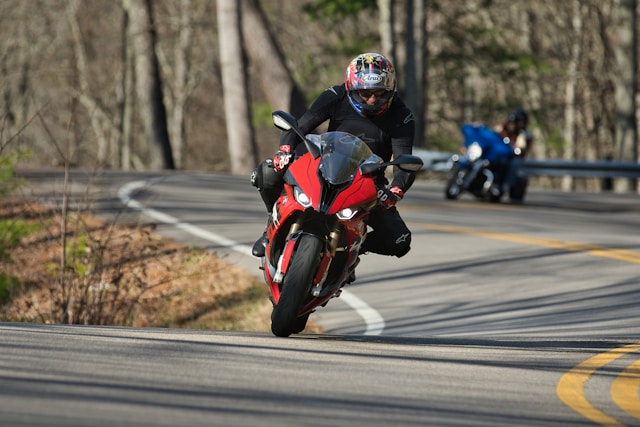
The thrill of riding a motorcycle goes beyond simply getting from A to B. It’s about freedom of the open road, the connection to your surroundings, and the sense of adventure that comes with every twist of the throttle. For many, a motorbike is a key that unlocks a world of hobbies, from weekend explorations of the countryside to epic cross-continental tours. Turning your passion for riding into a full-fledged adventure hobby is a rewarding experience that creates memories for a lifetime.
Whether you’re a seasoned rider or have just passed your test, the world of two-wheeled adventure is open to you. It’s about discovering new places, challenging yourself, and connecting with a community of like-minded individuals who share your love for the journey.
Discovering New Horizons on Two Wheels
Adventure riding isn’t just one activity. It covers a broad spectrum of experiences tailored to your bike, your skills, and your desires. For some, it means loading up a touring bike and chasing the sun across Europe, eating up motorway miles on the way to stunning mountain passes. For others, it’s about fitting knobbly tyres to a lighter machine and exploring the green lanes and unpaved tracks that criss-cross the British countryside.
You don’t need to cross continents to have an adventure. A weekend trip exploring a national park, a day spent navigating the winding coastal roads of Scotland or Wales, or even a spontaneous ride to a town you’ve never visited can be an adventure in itself. The key is your mindset. See your motorcycle not just as transport, but as a vehicle for exploration and discovery.
Consider what excites you. Is it the challenge of navigating technical terrain, the joy of seeing new landscapes, or the simple pleasure of a long ride with good company? Different riding styles match these preferences:
- Touring: Long-distance travel on paved roads, focusing on comfort and covering ground.
- Adventure Sport/Dual-Sport: A mix of on-road and off-road riding, exploring everything from B-roads to gentle trails.
- Moto-camping: Combining riding with camping, allowing you to truly get off the beaten path and immerse yourself in nature.
Planning Your Next Epic Journey
A great adventure starts with a solid plan. While spontaneity has its charms, a little forethought ensures your trip is memorable for all the right reasons. The first step is often the most exciting: choosing a destination. Start with a map and let your imagination roam. Are you drawn to the dramatic coastlines of Cornwall, the majestic peaks of the Lake District, or the historic cities of mainland Europe?
Once you have a destination, it’s time to plot a rough route. Use online maps and dedicated route planners to find bike-friendly roads, avoiding endless motorways in favour of scenic B-roads. Be realistic about your daily mileage. Pushing too hard leads to fatigue, which is a major safety risk. A comfortable pace of 200-250 miles per day on varied roads allows for plenty of stops for photos, food, and fuel.
Logistics are a crucial part of the plan. Book accommodation in advance, especially during peak season. Think about fuel stops, particularly in remote areas. It’s also worth checking that your insurance is suitable for the type of riding and journey you have planned. The right policy can vary depending on the bike you ride and how you use it, so finding cover for all types of bike riders can help you make sure your insurance suits your particular needs. Finally, make sure your licence, registration, and insurance documents are in order and easily accessible. Good planning isn’t about removing spontaneity; it’s about creating a safety net that allows you to relax and enjoy the ride.
Essential Gear for Adventure Riders
The right gear is about more than just looking the part; it’s about safety, comfort, and functionality. Your gear is your personal environment control system, protecting you from the elements and the road. For adventure riding, where you might face sunshine, rain, and dropping temperatures all in one day, versatile and high-quality equipment is non-negotiable.
Your helmet is the single most important piece of safety gear. For adventure riding, many riders prefer a modular or adventure-style helmet that offers a wider field of view and better ventilation. Always ensure your helmet meets the latest safety standards; in the UK, the SHARP helmet safety scheme provides independent ratings to help you choose.
Beyond the helmet, focus on a layered approach:
- Riding Suit: A textile suit with waterproof and breathable membranes (like Gore-Tex) is ideal. Look for models with removable thermal liners and plenty of vents to adapt to changing weather. CE-rated armour at the elbows, shoulders, back, hips, and knees is essential.
- Boots and Gloves: Sturdy, waterproof touring or adventure boots will protect your feet and ankles. You should have at least two pairs of gloves: a waterproof, insulated pair for cold and wet conditions, and a lighter, vented pair for warm weather.
- Luggage: How you carry your kit is crucial. Options range from hard panniers and top boxes, which are secure and waterproof, to soft luggage, which is lighter and more flexible. A tank bag is also invaluable for keeping essentials like your phone, wallet, and snacks close at hand.
Staying Safe on Every Ride
Safety is the foundation of every enjoyable ride. It starts before you even turn the key. Performing regular pre-ride checks is a simple habit that can prevent a mechanical issue from turning into a serious problem. A common system is T-CLOCS: Tyres and Wheels, Controls, Lights and Electrics, Oil and Fluids, Chassis, and Sidestand. A quick walk around your bike to check these key areas takes only a few minutes.
Fatigue is a silent threat on long journeys. Recognise the signs, such as yawning, slow reaction times, and wandering attention. Plan for regular breaks every 90 minutes to two hours. Get off the bike, stretch, rehydrate, and have a snack. Never push on when you feel tired; it’s always better to stop for the night and continue fresh the next day.
Advanced rider training is one of the best investments you can make in your safety. Courses offered by organisations like the Institute of Advanced Motorists (IAM) or RoSPA teach skills in observation, anticipation, and positioning that go far beyond what is covered in a standard test. These skills not only make you a safer rider but also a smoother, more confident, and more efficient one, enhancing your enjoyment of every ride.
Joining the Rider Community
While solo riding offers a unique sense of freedom, sharing the experience with others can add a whole new dimension to your hobby. The motorcycling community is vast, diverse, and incredibly welcoming. Joining a club or group is a fantastic way to meet fellow enthusiasts, discover new routes, and learn from more experienced riders.
There are clubs for every type of rider and bike, from brand-specific owners’ clubs to local groups that organise weekly ride-outs and social events. National organisations like The Motorcycle Action Group not only organise events but also advocate for riders’ rights. Attending rallies and bike shows is another great way to immerse yourself in the culture, see incredible custom bikes, and get inspiration for your next adventure.
Online forums and social media groups are also invaluable resources. You can find answers to technical questions, get recommendations for gear and destinations, and even find riding buddies for your next trip. Sharing your own photos and stories contributes to this vibrant community and inspires others to get out and explore.
Riding is a journey, not a destination. By embracing it as an adventure hobby, you open yourself up to a world of new experiences, friendships, and unforgettable moments on the open road. Start small, build your confidence, and see where two wheels can take you.
Image Credit: Unsplash