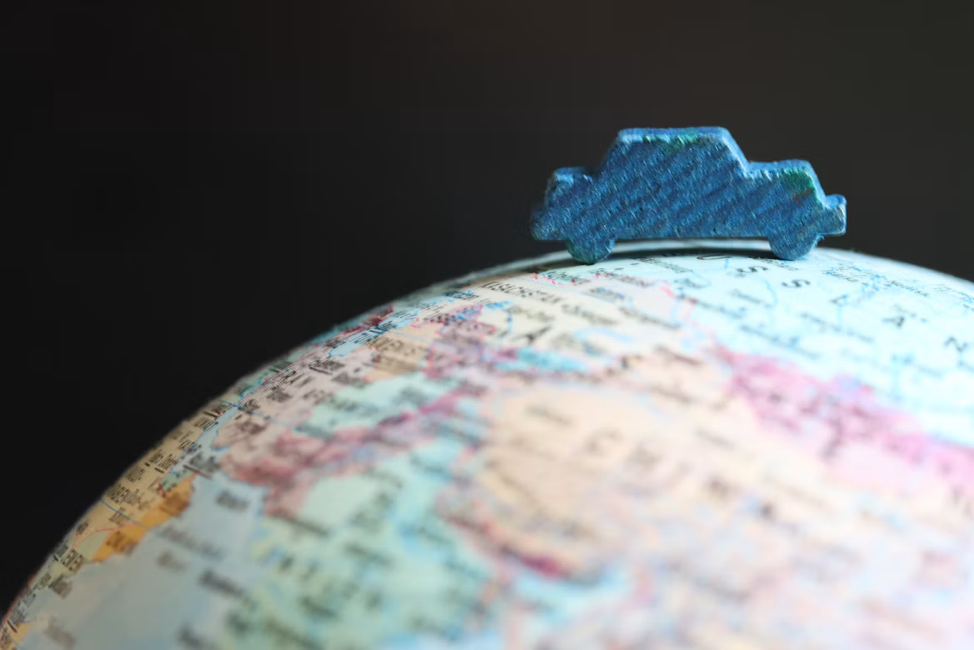

Have you ever looked at a big brand and wondered how they managed to work with makers, factories, and partners around the world? It used to be something only large companies could do because they had large R&D budgets. The shift over the past few years has opened a door for women founders who want reach, flexibility, and room to experiment. Global supply chains are no longer an impossible barrier. They are a practical way to grow a young business without needing huge resources behind you.
Turning Early Ideas Into Products People Can Actually Use
How often do you have a product idea that feels exciting but still a bit rough around the edges? Many women entrepreneurs start in exactly that place. Working with international makers can help you shape that idea into something real quite easily. You can test samples in small quantities. You can try materials you have never handled before. You can get feedback from people who build products every day.
This early stage is when decisions feel hardest. You might be unsure about form, price, or production method. Global partners can give grounded suggestions that help you refine your thinking without wasting money. It becomes a steady, collaborative process rather than a lonely guessing game.
Making Global Supply Chains A Useful Tool For Startups
A global supply chain gives you more choice from day one. You can work with a small studio for your first run, then shift to a larger facility once demand picks up. You can choose partners who understand your values and communicate in a way that supports your working style.
Women founders often bring a flexible mindset to sourcing. They are open to fresh approaches instead of defaulting to the usual route. This mindset helps you build a chain that evolves with your business instead of holding it back.
Letting Global Reach Shape Your Market
If you could put your product in front of people outside your home country, what might you learn? Seeing how different audiences react can spark new ideas about design, packaging, and messaging. You might notice that a certain region prefers a particular finish. Or that your product fills a need you never spotted close to home. Some founders discover that their strongest customers live in places they have never visited. Others realise that a global supply chain helps them sell more consistently because they are no longer tied to one seasonal calendar. A wider reach gives your business a more balanced rhythm.
Presenting Your Brand With Confidence
Have you ever clicked on a brand and felt instantly convinced they knew what they were doing? That feeling matters when you want serious partners abroad. A clear online presence shows suppliers that you have direction and purpose. It also helps customers understand what you stand for. In some cases, it even helps global suppliers find you.
A small reminder here. You have to make sure you get the digital experience right. In the fashion space, great products don’t mean much if you don’t represent your products well online.
Funding With A Broader Story Behind You
A global supply chain sends a helpful signal to investors. It shows that you have room to expand and a structure that supports bigger plans. Investors respond to founders who show foresight, not just enthusiasm.
Women founders sometimes face barriers in funding conversations. A business that already has global capability shifts that conversation and makes it easier for you to position. You become someone who is ready for scale rather than someone asking for a chance to prove it.
Negotiating As A Founder With Clear Intent
Many women founders find success through listening, preparation, and steady communication when talking to suppliers. When you understand the region your supplier works in and the pressures they face, you can create agreements that work for everyone.
Negotiation becomes a way of shaping the long-term health of your business and gives you risk control.
Strengthening Your Early Operations
What would happen if one of your suppliers faced an unexpected delay? Early-stage businesses often fear these moments most. A global supply chain gives you choice and room to adjust. You are no longer dependent on a single route or source. This can calm many of the worries that come with building something new. Supply chain contingency is something that was hard to put in place in the past, and the modern world has made it so much easier to navigate.
Founders often understand the fragility of the early years. They know how easily momentum can stall. A network that spans several regions adds stability when you need it most.
Growing With Partners Who Share Your Values
Any business person adores partners who see the world the way they do. Values-driven partnerships make daily decisions easier. Many international suppliers care about quality, ethics, and sustainability. When their approach aligns with yours, the whole chain feels more coherent.
Customers respond well to this clarity. When your practices match your messaging, people trust your brand. This trust travels across borders and helps you expand into places that do not yet know your name.
Letting Community Support Your Global Growth
Who do you talk to when you are unsure about a sourcing decision? Community insight can make global work feel less overwhelming. Women founders often rely on each other for honest guidance. Someone in another country may offer insight into cultural habits or supplier expectations that you would never find in a guidebook. You do not need a formal mentor to gain value from these conversations. Talk to the people in your space and learn from them.
Global supply chains give you a path to grow without waiting for perfect conditions. They help you test ideas faster, reach wider audiences, and build confidence in your long-term vision. If you want your business to travel further, explore partners beyond your own borders. Global capability does not require a huge team or a corporate structure. It starts with curiosity and a willingness to build relationships. It has never been easier to use international resources to make your dream a reality.
Image: Via Pexels