Participation in sports offers young people a wealth of benefits, from physical fitness and teamwork skills to discipline and self-confidence. For parents and coaches, ensuring that young athletes can enjoy these activities safely is the highest priority. Creating a safe environment involves a combination of awareness, proper preparation and the right protection.
Understanding Sports-Related Risks
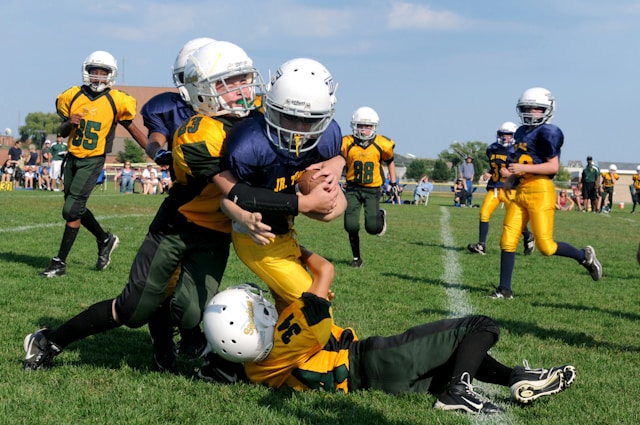
High-impact team sports for children, such as rugby, football and hockey, inherently come with a risk of injury. These can range from minor sprains and strains to more serious issues like fractures and dislocations. Overuse injuries are also common when young, developing bodies are pushed too hard without adequate rest.
Understanding the specific risks associated with a child’s chosen sport is the first step towards mitigating them. Early education on reducing injury risk for both parents and athletes can foster a culture of safety that lasts an entire sporting career. It’s about recognising that whilst injuries can happen, many are preventable with the right knowledge and precautions.
The Role of Proper Equipment
Protective gear is a non-negotiable aspect of safety in high-impact sports. Equipment that is poorly fitted, worn out, or not designed for the sport in question offers a false sense of security and can even increase the risk of injury. It’s vital to invest in gear that meets certified safety standards. This includes everything from mouthguards and shin pads to more specialised items.
For example, in sports like American football, purpose-built varsity football helmets are designed to absorb and distribute impact forces. Ensuring a correct fit is just as important as the quality of the equipment itself; a helmet that is too loose or a pad that shifts during play cannot do its job effectively. Regularly inspecting gear for wear and tear is also a crucial routine.
Concussion Awareness and Prevention
In recent years, awareness of concussions in sport has grown significantly, and for good reason. A concussion is a brain injury that can have serious short-term and long-term effects. It’s crucial for coaches, parents and athletes to recognise the signs and symptoms, which can include headaches, dizziness, confusion, nausea and sensitivity to light or noise.
The guiding principle should always be “when in doubt, sit them out.” An athlete suspected of having a concussion must be removed from play immediately and not allowed to return until cleared by a qualified medical professional. Prevention involves teaching proper playing techniques, enforcing rules against dangerous play and ensuring that all protective equipment is worn correctly.
Training for Injury Prevention
A well-conditioned athlete is a safer athlete. A comprehensive training programme that goes beyond sport-specific drills is key to injury prevention. This should include:
- Proper Warm-Ups: Dynamic stretching and light aerobic activity prepare the muscles, tendons and ligaments for the demands of the sport, increasing flexibility and blood flow.
- Strength and Conditioning: Age-appropriate exercises that build core strength, balance and muscular support around joints can help the body withstand impacts and sudden movements.
- Technique Coaching: Learning the correct way to tackle, fall or absorb contact minimises the force on the body and reduces the likelihood of injury.
- Cool-Downs and Recovery: Static stretching and adequate rest, including sleep and nutrition, are essential for muscle repair and preventing overuse injuries.
Focusing on these foundational elements helps you help a young athlete build a resilient body that is better prepared for the rigours of high-impact competition.
Ultimately, keeping young athletes safe is a team effort. When coaches, parents and the athletes themselves are educated and committed to safety protocols, it allows the positive aspects of sport to shine through.
Image credit: Unsplash