Your home shapes how your day unfolds. It has an impact on how easy you get ready in the morning, how relaxed you feel in the evening, and how smoothly your household runs. But most homes are not designed around the routines of real families. Over time, clutter can build up, spaces stop working the way they should, and simple tasks start to feel harder than they need to be. The good news is, though, that small adjustments can make a big difference. When you improve the space you use every day, your home begins to support your lifestyle rather than slowing it down. Let’s have a look at a few practical ways that you can make that happen.
Start With the Spaces You Use Most
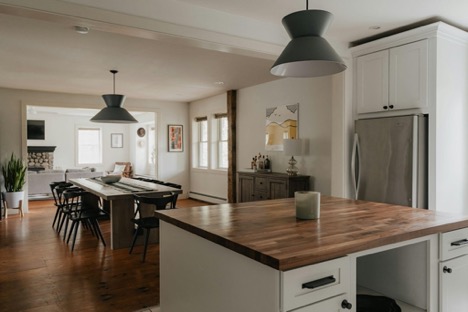
Not every room needs to have a major makeover; you need to focus on the areas where your family is spending the most time: the kitchen, living room, and entranceway often handle the most traffic on a daily basis. These areas benefit the most from better organization. I thought for design, start by removing items that no longer serve a purpose, clear surfaces, and create more room for everyday tasks to make the home feel calmer. Storage solutions can also help: baskets for toys, hooks for coats, and simple shelving can make it easier for everybody to keep things tidy. When you’re busy, if spaces are organized, the entire home begins to feel more manageable.
Consider Improvements That Support Daily Life
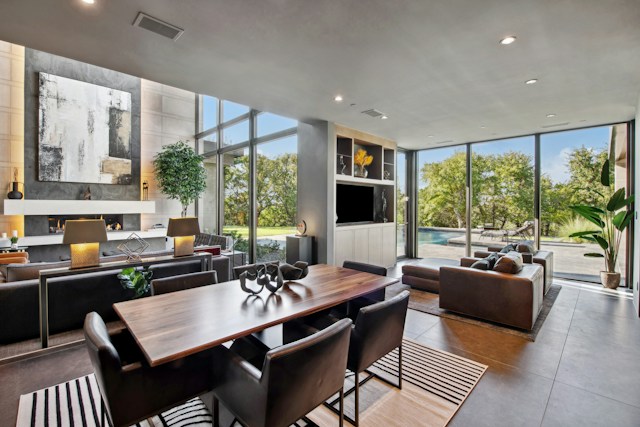
Some homes need more than just decluttering; layout changes or structural improvements can sometimes make daily routines smoother. This is where thoughtful home renovation projects can help. Expanding a kitchen, improving storage, or opening up a living area can make a space work better for a growing family. Even smaller updates, like better lighting or improved flooring, can transform how a room feels. The key is to focus on changes that improve how you actually live in the home. When the design supports your routine, benefits are going to show up every day for you.
Plan for Pets as Part of the Home
Many households also include pets as part of the family. Dogs and cats bring energy and companionship, but they also need space within the home. Designating specific areas for beds, pet food, and toys can prevent clutter from spreading throughout the house. It also helps pets to settle into a predictable routine. Pet-friendly materials can help as well; durable flooring, washable fabrics, and easy-to-clean surfaces make maintenance much simpler. Just like any other member of the household, a house should be prepared for unexpected situations. Keeping the contact details for trusted services, like Veteris, somewhere accessible means you know where to turn if your pet ever needs urgent care. Preparation is something that helps to bring peace of mind.
Conclusion
Your home should make daily life easier, not more complicated. By organizing the basics that you use most and making thoughtful improvements, you can build a home that supports your family’s routines. There’s no need for you to redesign everything; just make small practical changes that bring big improvements in how your home feels and functions.
Photo by Clay Banks on Unsplash