A modern home should feel clean, calm, and intentional. It’s a look that loves clean lines, uncluttered surfaces, and a sense of harmony. While we often focus on furniture and paint colors, the real foundation of any room’s design is what’s underfoot. The right flooring can tie your whole home together, creating a smooth backdrop that lets your personal style truly shine. Think of it as the canvas where you build your life.
Choosing a timeless floor design keeps your home current and stylish for years, saving you from constantly chasing the latest trends. It’s all about choosing a look that’s both beautiful and built to last.
The Foundation of Modern Design: Why Flooring Matters
Imagine your floor as the room’s fifth wall. It makes a huge difference to how a space feels and how big it seems. A light-colored floor can make a small room feel much larger and more open, while a darker shade can create a cozy, intimate vibe. In modern design, we often aim for flow and continuity between rooms, and your flooring choice is key to making that happen.
For example, using the same flooring throughout an open-plan living area removes visual breaks, making the whole space feel more connected and expansive. And it’s not just about looks! Your floor’s texture and material also affect how a room sounds and feels. A soft carpet soaks up noise and adds warmth, while a sleek, hard surface like vinyl or laminate gives you that clean, minimalist appeal.
Choosing Your Palette: Neutral Tones and Natural Textures
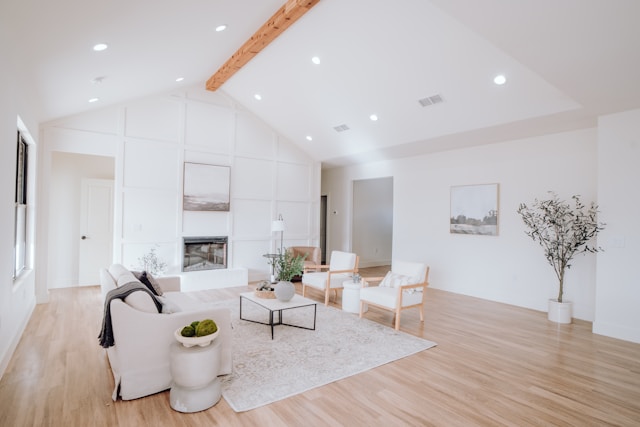
Modern design often leans towards a neutral color palette. Picture shades of gray, beige, warm whites, and soft browns. These colors create a calm, sophisticated base that won’t feel dated. When you’re picking out your new flooring, look for materials that mimic natural textures. Light-toned wood-look vinyl or laminate planks are super popular because they offer the classic beauty of hardwood without all the upkeep.
These materials bring a natural element into your home, which is a big part of modern aesthetics. Don’t be shy about exploring different tones within the neutral family. A cool gray can give off a chic, urban feel, while a sandy beige creates a more relaxed, coastal atmosphere. If you’re looking for extra comfort, low-pile carpets in solid neutral colors can also work wonderfully, adding softness without looking bulky or old-fashioned. You can find many inspiring living room floor ideas that show just how versatile neutral tones can be.
Creating Flow: The Open-Concept Secret
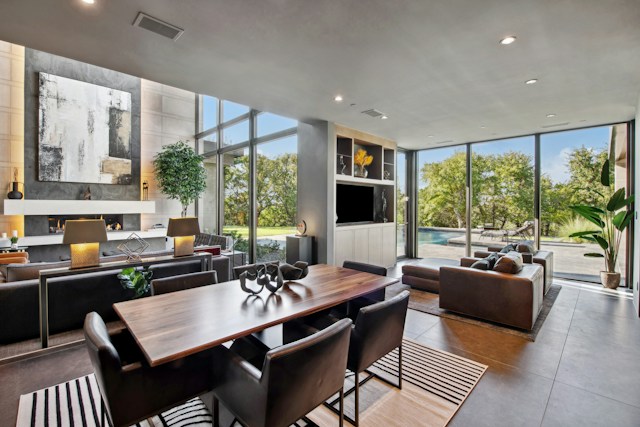
One defining feature of modern homes is an open-concept layout, where the kitchen, dining, and living areas blend into one large, functional space. Your flooring plays a crucial role in making this design work. Using the same flooring material across the entire area is the best way to create a smooth transition from one zone to the next. This visual continuity makes your eye see one large, unified space instead of several small, separate ones.
If you have different levels or a split-level home, carrying the same flooring up the stairs can further boost this sense of connection. The direction you lay your flooring planks also matters. Laying them parallel to the longest wall can make a room feel longer, while a diagonal installation can add dynamic interest without overwhelming the space. The trick is to think about your home as a whole, not just a bunch of individual rooms.
Sustainable and Smart: Flooring for the Future
Today’s modern aesthetic isn’t just about looking good; it’s also about making smart, thoughtful choices. Sustainable and durable materials are more popular than ever. Options like hybrid flooring, which combines the best qualities of vinyl and laminate, are tough and water-resistant, making them a practical choice for busy households. Many modern flooring products are also designed for easy installation and long-term durability, which means less waste over the years.
Investing in high-quality, durable flooring means you won’t have to replace it as often, which is good for both your wallet and the environment. Look for products with low VOC (volatile organic compounds) to ensure better indoor air quality for your family. After all, a beautiful home should also be a healthy one.
Beyond the Floor: Tying It All Together
Once you’ve picked the perfect floor, the final step is to make sure it works well with your other decor. Your flooring should complement your wall color, furniture, and textiles, not fight with them. If you have a light-colored floor, you can anchor the space with a darker area rug or furniture pieces. Conversely, a dark floor can be brightened with light-colored walls and furnishings.
Bringing everything together often comes down to a few designer-approved features that create a polished look. For instance, matching your window coverings, like blinds, to the undertones in your flooring can create a subtle but powerful sense of cohesion. Adding texture through throw pillows, blankets, and rugs will keep a neutral, modern space from feeling cold or sterile.
Ultimately, your floor is a big design decision that will last. By choosing a timeless, high-quality option, you’re setting the stage for a home that’s stylish, comfortable, and uniquely you.
Image credit Unsplash