
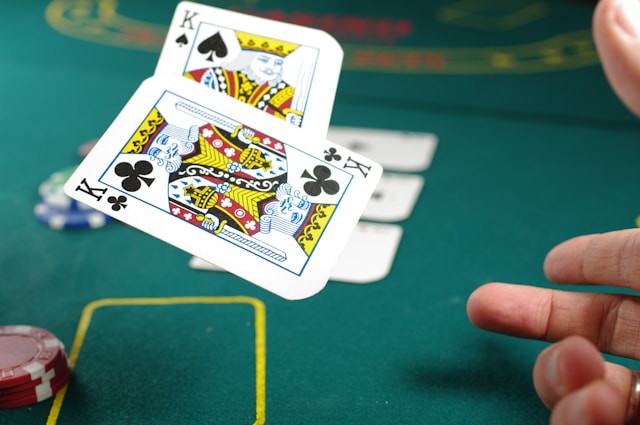
Whether you’re drawn to the quick thinking of poker or the quiet calculation of solitaire, online card games offer a compelling mix of entertainment and mental challenge. They tap into something fundamental about how we approach problems: the constant dance between what we can control and what we can’t. The thrill of a winning hand isn’t just about the cards you’re dealt; it’s about the decisions you make along the way. Understanding the interplay of luck, skill, and strategy is the first step toward not only improving your game but also enjoying it more deeply. Delving into the specific elements of games reveals how these factors combine to create engaging and challenging experiences for players of all levels.
Recent analysis has even attempted a quantification of skill vs. chance for popular games, showing that while luck is always a factor, the best players consistently find ways to give themselves an edge. This article explores that dynamic, breaking down how chance, skill, and strategy combine to create the captivating experience of online card games.
The Element of Chance
Every card game begins with an act of randomization. The shuffle and the deal introduce an element of pure, uncontrollable luck. You can’t influence which cards you receive, and this inherent unpredictability is what makes the game exciting. No two hands are ever exactly the same, and even the most skilled player can be defeated by a poor draw. Accepting this is fundamental to playing well. You can’t win every hand, and trying to force a win with weak cards is a quick path to frustration.
The role of luck goes beyond just the initial deal. The complexity of probability means that every card drawn from the deck changes the odds for all remaining cards. Skilled players understand this and can calculate their chances of drawing a winning card, but it never becomes a certainty. Even a simple game of chance demonstrates how quickly probabilities shift. Because you can’t eliminate chance, the goal becomes managing it. This involves understanding risk, knowing when the odds are in your favor and when they are not. Part of this management is financial. Setting limits and sticking to a budget are crucial for long-term enjoyment and success. Learning how to bet responsibly is as important as learning the rules of the game itself, ensuring that you can weather the inevitable downswings that chance will send your way.
Developing Card Game Skills
While you can’t control the cards, you can control how you play them. This is where skill enters the equation, separating novice players from seasoned experts. Skill in card games isn’t about a single talent but a collection of mental disciplines that you can develop over time. These skills are your tools for turning a mediocre hand into a survivable one or a good hand into a winner.
One of the most critical skills is observation. In a physical game, this might mean reading an opponent’s body language. Online, it translates to recognizing betting patterns. Does a player always bet aggressively when they have a strong hand? Do they fold easily under pressure? Every action an opponent takes provides you with information. Paying attention to these details allows you to build a profile of your opponents and anticipate their moves.
Another key skill is memory. While you don’t need to be a savant, practicing basic card tracking can give you a significant advantage. In many games, simply remembering which high-value cards have already been played can drastically change your assessment of a hand’s potential. For example, if you know most of the aces are out of the deck, you can play your king with more confidence. This isn’t about cheating; it’s about using all the available information to make better decisions. Discipline is the skill that ties it all together. It’s the ability to stick to your strategy even when your emotions are telling you to do otherwise. It’s folding a hand you’ve grown attached to when the odds turn against you or resisting the urge to chase a long-shot draw.
Strategic Decision-Making
Strategy is the bridge between the chance of the deal and the skills you possess. It’s your overarching plan for navigating the game. While skills are the tools, strategy is the blueprint for how you’ll use them. A good strategy is fluid and adapts to the specific situation of each hand, your position at the table, and the tendencies of your opponents. It’s about making calculated decisions that maximize your chances of winning over the long term.
A core component of any card game strategy is risk management. This involves constantly weighing the potential reward of a play against its potential cost. For instance, should you make a large bet to try and force others to fold or a smaller bet to keep the pot manageable and see another card? The right answer depends on the strength of your hand, the amount of money at stake, and your assessment of your opponents’ hands. An aggressive strategy might work well against timid players but could be disastrous against someone who is willing to call large bets.
Your position in the order of play is also a crucial strategic factor. Players who act last have a significant informational advantage. They get to see how everyone else has acted before making their own decision. A hand that might be too weak to play in an early position could become very playable in a late position if everyone else has shown weakness. A sound strategy incorporates this positional awareness, guiding you to play more cautiously in early positions and more aggressively in later ones. Ultimately, strategic decision-making is about taking all the pieces of information (your cards, your opponents’ actions, your position, and the probabilities) and forming a coherent plan of action.
Learning from Every Hand
The path to becoming a better card player is paved with losses. Every hand you play, win or lose, is a data point that can inform your future decisions. The most successful players are those who treat the game as a continuous learning process. They don’t just shrug off a bad beat and move on; they analyze what happened and consider if they could have played the hand differently.
Post-game analysis is a powerful tool for improvement. After a session, take some time to review key hands. Did you make a bet that, in hindsight, was too risky? Did you miss an opportunity to apply pressure on an opponent? Many online platforms offer hand history features that make this kind of review easy. Using a trusted platform with a focus on fair play and player security, such as GZone PAGCOR, also helps you concentrate on improving your skills instead of worrying about the integrity of the game. Looking back at your decisions without the pressure of the moment can reveal flaws in your strategy or recurring mistakes you might not notice while playing.
It’s also important to learn to separate the quality of your decision from the outcome of the hand. Due to the element of chance, a good decision can still lead to a loss, and a bad decision can sometimes get lucky and win. Your goal should be to consistently make the decision that has the highest probability of success, regardless of the result of any single hand. This mindset helps build emotional resilience, preventing you from getting discouraged by bad luck or overconfident after a lucky win. By focusing on the process rather than the outcome, you turn every game into a valuable lesson.
Ultimately, the enduring appeal of online card games lies in this rich complexity. It’s a field where luck provides suspense, but skill and strategy determine long-term success. By respecting the role of chance, diligently honing your skills and constantly refining your strategy, you can elevate your game and find deeper satisfaction in every hand you play.
Image Credit: Unsplash