Rising electricity costs have become a major concern for many Australian households. Recent consumer research indicates that many families have experienced increasing energy bills, prompting greater interest in improving household energy efficiency. While government support programs have provided temporary assistance, long-term financial relief often comes from making practical improvements at home. This shift is changing how homeowners approach renovations. Instead of focusing solely on aesthetics, many Australians are viewing home and garden projects through the lens of sustainability and long-term efficiency. Creating an eco-conscious kitchen is an ideal place to begin.
Choosing the Right Refrigeration
Food waste places a significant burden on both the environment and household budgets. Large amounts of edible food are discarded every year, creating unnecessary waste and increasing greenhouse gas emissions when organic material ends up in landfill. Reducing food waste not only benefits the environment but also helps households make better use of the groceries they purchase.
Investing in modern cooling technology is a highly practical way to reduce unnecessary food waste. Advanced temperature controls help keep produce fresher for longer, making it easier for households to store food effectively and reduce spoilage. When updating your layout, installing a premium Mitsubishi fridge provides access to smart inverter compressors and superior insulation. Modern large-capacity units are also designed to operate more efficiently than many older appliances, allowing homeowners to enjoy generous storage while reducing overall energy consumption.
The Hidden Cost of Outdated Appliances
Beyond food preservation, older appliances are notorious for drawing excessive power and quietly inflating quarterly utility bills. When planning a kitchen upgrade, it is easy to get caught up in cabinetry colours and splashback materials while overlooking the most crucial functional elements. The financial burden of retaining outdated equipment is far more substantial than many homeowners realise.
The Australian Government highlights the important role household appliances play in overall energy consumption, with refrigeration being one of the key contributors. Upgrading to newer models can significantly improve household efficiency. Modern Energy Rating Labels make it easier for consumers to compare appliance performance, while updated testing standards are designed to better reflect real-world operating conditions in Australian homes.
Blending Aesthetics with Sustainable Function
A truly successful kitchen renovation seamlessly integrates high-tech efficiency with beautiful, calming design. The latest trends in Australian interiors lean heavily into minimalist, naturalist aesthetics that favour eco-friendly materials. Zero-silica reconstituted stone, sustainable timber laminates, and soft green palettes are dominating modern spaces.
To ensure your new kitchen is as green as it is gorgeous, consider incorporating the following design strategies into your renovation plan:
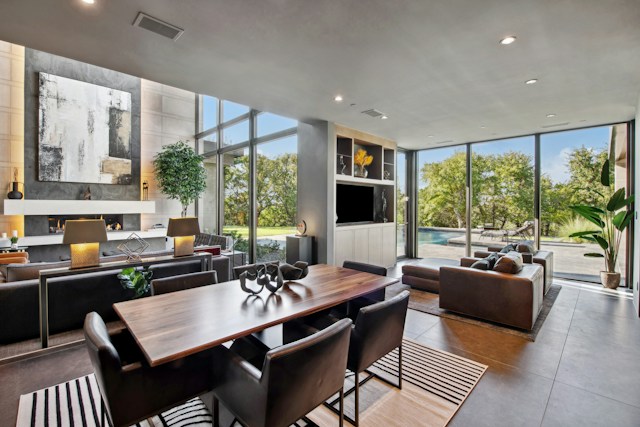
- Embrace open layouts: Designers are blending kitchens into living areas to maximise natural sunlight, which reduces the need for artificial lighting and improves the passive thermal efficiency of the home.
- Incorporate curved architecture: Rounded island edges and curved custom cabinetry soften angular lines, promoting an organic and fluid feel that complements natural materials.
- Prioritise AI optimisation: Look for smart technology integration in your appliances that can monitor daily usage habits and automatically adjust settings to minimise daily power consumption.
- Select sustainable surfaces: Choose recycled or responsibly sourced materials for benchtops and flooring to lower the embodied energy of your entire renovation project.
- Optimise plumbing fixtures: Consider low-flow tapware and energy-efficient dishwashers that use minimal water without compromising on performance, further reducing household utility costs.
A Smarter Approach to Renovation
Building a kitchen that looks stunning while respecting the environment requires a holistic approach to design. By pairing energy-efficient appliances with smart architectural choices and sustainable materials, homeowners can create a space that is incredibly functional and financially savvy. As utility rates continue to fluctuate, making proactive and eco-conscious upgrade decisions today will ensure your home remains comfortable, beautiful, and highly affordable well into the future. By placing sustainability at the forefront of your design process, you are investing in both your family’s financial security and the broader environmental health of Australia.