
The way we think about fitness has totally changed over the years. What used to be a niche thing for athletes and bodybuilders has now become a huge part of modern wellness for millions. We’ve gone from simple free weights and bodyweight exercises in dusty old halls to a world of smart equipment and workouts driven by data. This shift isn’t just about new tech; it’s also about understanding much better what our bodies truly need to thrive.
The story of fitness is a really cool journey of rediscovering old wisdom and inventing new things. It’s all about respecting those time-tested ways of building strength while also embracing new tools that make training more effective, easier to access, and way more fun. Getting a handle on this evolution can really help you figure out the perfect approach for your own goals, setting up a routine that’s both powerful and something you can stick with.
Embracing Fitness Heritage
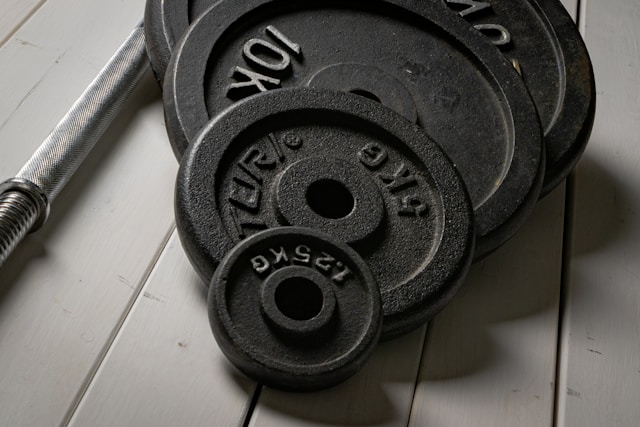
Long before smartwatches tracked our every step, there was the simple, undeniable power of iron and pure effort. The very foundations of modern strength training were laid in gyms where grit mattered more than gadgets. This “old-school” approach, focusing on big, compound movements with free weights like barbells and dumbbells, is still super popular for a good reason: it just works. The history of the fitness industry clearly shows how today’s powerlifters and bodybuilders are connected to the strongmen of the early 20th century.
There’s something really pure about this kind of training. It makes you learn control, balance, and proper form without machines holding your hand and guiding your movement. When you lift a heavy barbell, your whole body has to work together, firing up those smaller, stabiliser muscles that often get ignored in machine workouts. This builds a kind of functional, real-world strength that goes way beyond the gym. And that raw, unfiltered feeling of lifting something heavy? It gives you a powerful sense of accomplishment that many people find incredibly motivating. It’s like a direct chat between you and gravity, with no digital stuff getting in the way.
Innovations in Training Technology
While those classic methods definitely have their place, the recent evolution of fitness tech has opened up a whole new world for making our workouts even better. Wearable devices are probably the most obvious change. Smartwatches and fitness trackers keep an eye on everything from your heart rate and calories burned to your sleep quality and stress levels. This data gives you amazing insights, helping you understand how your body is reacting to training and recovery. It turns those vague feelings of being tired or making progress into solid numbers you can actually use.
Beyond wearables, even the gym floor itself is getting smarter. Modern equipment often comes with built-in sensors and screens that give you instant feedback on your form, how many reps you’ve done, and how much power you’re putting out. It’s almost like having a digital personal trainer guiding you through every single set. The impact of modern fitness technology also includes software, with tons of apps offering guided workouts, nutrition tracking, and access to virtual coaching. This tech-driven approach allows for an incredible amount of personalisation, shaping fitness plans to fit someone’s exact goals, abilities, and preferences in a way that used to be impossible.
Finding the Perfect Training Environment
With so many different ways to train, the perfect gym isn’t a one-size-fits-all kind of place anymore. Today’s fitness enthusiasts often look for a spot that respects the past while also embracing the future. Some days you might want that satisfying clang of old-school iron plates, and other days you might crave the detailed feedback from a smart rowing machine. The trick is finding a gym that offers both without cutting corners.
The very best facilities get this need for variety and quality. They carefully pick their equipment, mixing those nostalgic, heavy-duty pieces that have proven their worth over decades with the latest biomechanically advanced machines. This creates an environment where a powerlifter can train right next to someone using a high-tech cardio machine, and both feel completely at home. It’s this thoughtful blend of tradition and innovation that sets a good gym apart from what you might call the best gym in the UK. The atmosphere plays a huge role too; a space with great lighting, motivating music, and a strong sense of community can make all the difference in keeping you motivated and consistent.
Beyond Weights: Holistic Wellness Facilities
Understanding fitness has grown way beyond just lifting weights or running on a treadmill. Today, recovery and mental wellbeing are seen as equally important parts of a healthy lifestyle. Top gyms are evolving into full-blown wellness centers, offering facilities that support your body and mind long after your last rep.
This shift means looking for amenities that help with active recovery and relaxation. Dry heat saunas and steam chambers, for example, can really help soothe sore muscles, boost circulation, and reduce stress. A newer trend is adding cold water immersion pools or plunge pools. Elite athletes often use contrasting hot and cold therapy to help reduce inflammation and speed up recovery times. By including these kinds of facilities, a gym becomes more than just a place to work out; it turns into a sanctuary where you can truly recharge. This approach recognises that real fitness isn’t just about physical strength, but about building resilience in every part of your life.
Curated Spaces for Serious Athletes
For those with specific athletic goals, a generic gym floor might not cut it. The history of physical fitness is packed with specialised disciplines, each needing its own unique training space and equipment. As sports like bodybuilding, powerlifting, and functional fitness have gotten more popular, so has the demand for gyms that specifically cater to their needs.
A serious bodybuilder, for instance, needs more than just a few mirrors. A dedicated posing room with stage lighting and plenty of space is crucial for practicing routines and tracking aesthetic progress. A powerlifter needs calibrated plates, high-quality barbells that can handle immense weight, and sturdy power racks with proper safety features. Athletes focused on functional fitness benefit from open turf areas for sled pushes, tire flips, and agility drills. Even the sound matters. A gym-wide sound system playing curated playlists designed to fuel intense workouts can create an energising and focused atmosphere that pushes everyone to perform their best. These specialised spaces really show a gym’s commitment to supporting athletes at the highest level of their sport.
Ultimately, the evolution of fitness gives us more choices than ever before. You can build a powerful physique using the same simple tools that have been around for a century, boost your training with amazing technology, or find a perfect mix of both. The main thing is to find the environment and methods that inspire you to stay consistent and work towards your personal best.
Image Credit: Unsplash