There’s something special about making beautiful, useful things for your home with your own hands. DIY wood projects are a fantastic way to make your space truly yours, add some personality, and learn a cool new skill. Whether you’re thinking of simple shelves or custom furniture, working with wood lets you bring your exact ideas to life, often costing way less than buying something from a store.
Why DIY Wood Projects Matter
Beyond saving money, starting a DIY wood project is a great investment in both your home and yourself. You get to build pieces that fit perfectly, matching your specific measurements and style. That awkward corner in the living room can finally get a custom-built bookshelf, or your bedroom can have a headboard in that exact color you’ve been dreaming of.
This whole process also helps you feel more connected to where you live. Every time you use or even just see something you built, you’ll feel a real sense of accomplishment. It’s a thoughtful and sustainable way to furnish your home, turning basic materials into something personal and treasured.
Choosing the Right Sheet Materials
Any good wood project starts with picking the right materials. For many home DIYers, sheet materials like plywood and medium-density fiberboard (MDF) are perfect for getting started. Plywood is super strong and durable, made from thin layers of wood glued together. It’s excellent for sturdy items like desks, cabinets, and shelves.
MDF, on the other hand, is an engineered product made from wood fibers, wax, and resin. It has a really smooth, even surface that’s great for painting, making it ideal for decorative pieces, cabinet doors, and trim. Finding good quality materials is the first step, and places like The Good Sheet offer lots of options perfect for home projects. Besides sheet goods, it’s also smart to know how to choose the perfect wood species for different needs, whether you want strength or a nice look.
Essential Tools for Woodworking
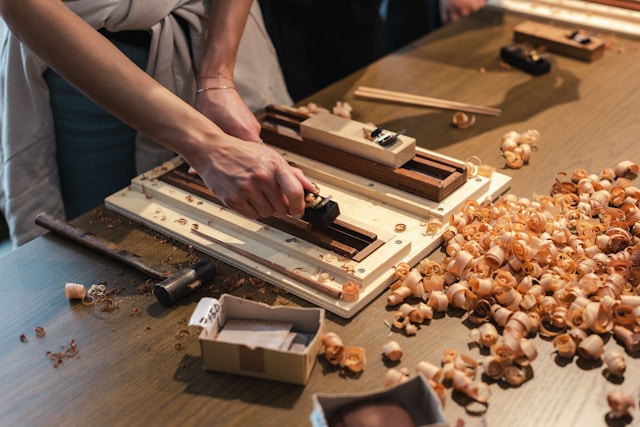
You don’t need a fancy workshop to start woodworking. Just a few key tools will let you tackle all sorts of beginner and intermediate creative ideas projects.
- A reliable saw: A circular saw is super versatile for making straight cuts on sheet materials.
- A power drill: You’ll need this for drilling holes and driving screws. A good cordless drill gives you lots of freedom.
- An orbital sander: This tool makes smoothing surfaces and edges much quicker and easier than doing it by hand.
- Measuring and marking tools: A tape measure, a combination square, and a pencil are absolute must-haves for accuracy.
Getting these tools is just the beginning; the real fun is learning how to use them well. There are tons of great guides online to help you master woodworking skills and feel more confident about taking on bigger projects.
Creative Uses for Plywood and MDF
Once you have your materials and tools, you’ll find endless creative possibilities. Plywood and MDF are incredibly flexible and can be turned into stylish and practical additions for your home.
Try starting with something simple, like a set of floating shelves to display photos and decorations. You could also build a custom-fit laptop desk for a small home office nook. For a weekend project, how about creating a geometric headboard out of MDF panels to make your bedroom pop? Other easy ideas include a simple entryway bench, a planter box for your patio, or a storage crate for toys or blankets.
Finishing Touches for Lasting Beauty
The last step in any woodworking project is the finish. This is what protects your creation from daily wear and tear, while also giving it a polished, professional look. A good finish can turn a simple plywood box into a chic piece of furniture.
Always start by sanding your project really well. Begin with coarser sandpaper to smooth out any rough spots, then gradually switch to finer grits for a super smooth surface. After sanding, wipe away all the dust. If you plan to paint, apply a coat of primer first, especially on MDF. This helps the paint stick better and gives you a more even color. For a natural look, use a wood stain to highlight the grain, then add a protective topcoat like polyurethane to guard against moisture and scratches.
So, pick a small project, get your materials together, and start building. You might just be amazed at what you can create for your home.
Image Credit: Unsplash