
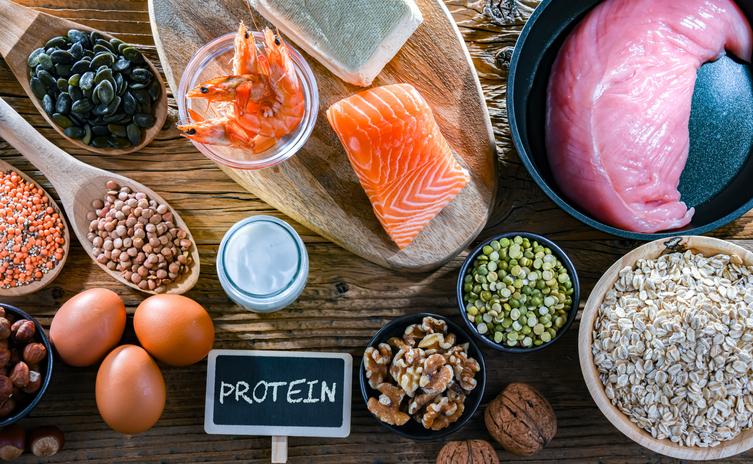
Seniors can support muscle health by eating enough high-quality protein alongside foods that provide energy, vitamins and minerals needed for an active body. Eggs, fish, dairy products, lean meat, beans and soya foods are practical choices that can fit comfortably into everyday meals. Rather than searching for one perfect muscle-building food for seniors(this is commonly referred to as อาหารสร้างกล้ามเนื้อผู้สูงอายุ in Thai), the better approach is to create a varied eating pattern that supports strength while working alongside appropriate physical activity.
Give Protein a Regular Seat at the Table
Protein deserves attention as we age because it provides amino acids that the body uses to maintain and repair tissues, including muscle.
Instead of saving most protein for dinner, seniors can include a suitable source at different meals throughout the day. Breakfast might feature eggs or Greek-style yoghurt, while lunch could include fish, chicken, tofu or beans. Dinner provides another opportunity to add protein-rich food.
The goal is not to turn every plate into a complicated calculation. It is simply to make protein a familiar part of the daily menu.
Look Beyond Chicken and Protein Shakes
Healthy eating quickly becomes boring when the same foods appear every day. Fortunately, protein comes in many forms.
Older adults can rotate between options such as:
- eggs with wholegrain toast
- yoghurt with fruit
- fish with vegetables and rice
- tofu added to soups or stir-fries
- beans or lentils mixed into familiar dishes
- lean poultry or meat in appropriate portions
Variety makes meals more enjoyable while introducing different nutrients into the diet.
Specialised nutritional products may also be recommended for certain older adults who struggle to meet their nutritional requirements through ordinary food. These should be used according to individual needs and professional healthcare advice.
Remember the Supporting Cast
Protein might be the headline act in conversations about muscle, but it does not perform alone.
Vitamin D contributes to normal muscle function, while calcium is widely recognised for its role in maintaining normal bones. Adequate overall energy intake is also important because the body needs fuel for everyday activity.
Fruit, vegetables, whole grains and suitable sources of healthy fats can therefore remain part of a muscle-conscious diet. Strong ageing is not created by eating enormous amounts of one nutrient. It comes from giving the body a balanced range of nutritional resources.
Put Food and Movement on the Same Team
A nutritious menu becomes even more meaningful when paired with suitable movement. Muscles are designed to be used, and regular activity encourages them to keep working.
Walking, carrying shopping, gardening and everyday household activities all involve movement. Where appropriate, resistance exercises can provide an additional challenge for muscles.
Exercise choices should reflect personal ability and health. Seniors who have medical conditions, limited mobility or concerns about exercise should seek professional guidance before significantly changing their activity levels.
Build a Routine That Supports Stronger Years
Muscle-friendly eating does not require a fridge full of fashionable superfoods. A yoghurt at breakfast, fish at lunch or tofu at dinner can all contribute to a bigger picture: supporting the body to remain active as it ages.
Individual nutritional requirements can vary considerably, particularly when age-related muscle loss or malnutrition is a concern. Thai Otsuka Nutrition Club provides educational information about specialised nutrition for older adults. Explore its guidance and speak with a qualified healthcare professional about combining suitable nutrition with physical activity to support strength throughout later life.