
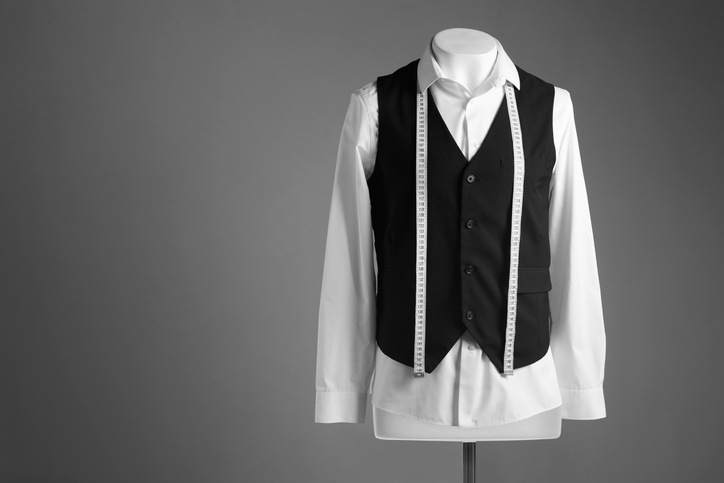
Few pieces carry as much quiet authority as a well-chosen vest. It sharpens a suit, adds dimension to separates, and signals that real thought went into the outfit. Still, even quality vests can fall flat if the details are off. Fit issues, fabric clashes, and overlooked adjustments have a way of turning a refined look into a distracting one. Here are seven of the most common missteps, along with practical ways to correct each one before stepping out the door.
1. Choosing the Wrong Fit
Nothing unravels a polished outfit faster than a vest that does not sit properly. Buttons straining across the chest suggest it is too snug. Loose fabric bunching at the sides tells the opposite story. A proper hem should graze just below the belt line, fully covering the waistband without hanging past the hip. Shoulder seams need to lie flat, not drift forward or backwards. Consulting a size chart and sampling more than one cut before committing goes a long way. No tie or pocket square can rescue a vest that simply does not fit the body wearing it.
2. Ignoring Fabric Compatibility
Throwing a silk vest under a heavy tweed jacket creates a mismatch that the eye immediately notices. Every fabric carries its own weight, texture, and sheen, and those three qualities need to agree across the outfit. Wool vests sit comfortably alongside worsted or flannel suiting. Cotton and linen options belong with lighter, warm-weather separates. Those browsing men’s dress vests in Canada can find selections in a range of materials suited to different seasons. Keeping fabric weight and surface finish consistent is what makes an outfit look planned rather than pieced together.
3. Wearing a Vest With a Poorly Fitted Shirt
A vest acts like a frame; it highlights everything beneath it. A baggy dress shirt with excess material bunching under the arms or billowing at the back creates lumps that no outer layer can disguise. The collar matters too, since a vest naturally draws attention upward toward the neckline. Opting for a slim or tailored-fit shirt with a clean press underneath lets the vest drape the way it was designed to. An iron helps, but it cannot fix a shirt that is simply a size too generous.
4. Leaving the Bottom Button Fastened
This convention carries over from suit jackets, yet plenty of men forget it applies to vests as well. The lowest button should stay open. Fastening it pulls the fabric tight across the stomach, restricting natural movement. The practice traces back to Victorian tailoring, but it still serves a clear function today. Leaving that final button undone allows the garment to sit flat, whether standing, walking, or seated, preserving a smooth line from morning through evening.
5. Mismatching Colors and Patterns
A solid charcoal vest layered over a bold checkered shirt forces the eye to compete between two focal points. Patterns and colors work best when there is a clear visual hierarchy. If the vest features a pattern, the shirt underneath should remain solid or carry a much quieter print. Contrast only looks intentional when one piece leads and the other supports. Earth tones pair naturally with navy or grey foundations. A bright tie or pocket square can introduce personality, but the vest itself should anchor the outfit rather than fight against it.
6. Skipping the Back Adjustment
Most well-made vests include a rear buckle or sliding strap designed to fine-tune the fit. Ignoring that feature is a common oversight. Without proper tightening, even a correctly sized vest can gap across the back or ride up with movement throughout the day. Cinching the strap creates a snug hold around the torso and prevents shifting. It takes seconds, yet the difference in how the garment sits across the shoulders and lower back is immediately visible.
6.1. Checking the Strap Before Each Wear
Fabric relaxes over time, so a strap adjusted months ago may no longer provide the right tension. A quick tug and reset before heading out keeps the fit consistent wear after wear.
7. Treating the Vest as an Afterthought
Some outfits benefit from a vest; others simply do not call for one. Grabbing it off a hanger without considering the rest of the ensemble leads to a disjointed appearance. A vest should complement the full look, not function as a last-minute layer tossed on for formality. Planning the outfit from the collar style down to the shoe choice before introducing the vest ensures that every element supports a single cohesive direction. That kind of intention is exactly what separates someone who dresses well from someone who just adds pieces.
Conclusion
All seven of these mistakes share a common trait: they are easy to make and just as easy to fix once spotted. Fit, fabric harmony, and thoughtful coordination each play a part in whether a vest elevates an outfit or quietly undermines it. Small details, like an open bottom button or a properly cinched back strap, communicate care that people notice even if they cannot name exactly why. A vest worn with genuine purpose projects confidence without effort. Keep these corrections in mind, and every occasion becomes a chance to present a sharper, more composed version of the outfit.