
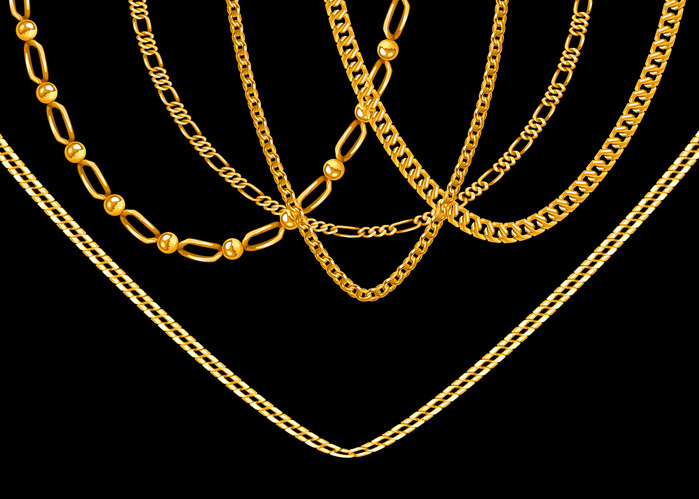
How people wear jewelry is changing. More buyers are choosing pieces that stay on indefinitely rather than ones they clasp and unclasp every day. That shift raises a fair question: what actually separates a chain built for occasional wear from one designed to remain attached for months or years? The differences go deeper than appearance. Materials, construction, closure style, and long-term durability all play a role. Knowing what sets these two categories apart makes it easier to choose the right option for any lifestyle or budget.
How Traditional Chains Are Built
A standard chain ships with a clasp, typically a lobster claw or spring ring, so the wearer can put it on and remove it freely. These pieces come in nearly every metal available, from plated brass to solid gold. Because regular removal is part of the design, clasps undergo moderate stress testing during production. Link styles range from thin cable patterns to bold curb designs, and maintenance stays simple. Store the chain flat, clean it now and then, and swap out the clasp once it starts to loosen.
What Sets Permanent Options Apart
Permanent pieces eliminate the clasp altogether. A jeweler sizes the chain against the wrist, ankle, or neck, then fuses the ends using a quick pulse of heat. There is no opening mechanism, just a continuous loop. Choosing high-quality permanent jewelry chains becomes especially important here, since the metal has to hold up against constant skin contact, water exposure, and daily friction without tarnishing or giving way at the weld. Gold-fill and solid gold remain the go-to choices for exactly that reason; both resist corrosion far better than plated alternatives.
Material Considerations
Metals That Hold Up
Solid 14k gold, gold-filled, and sterling silver perform best for extended wear. Each handles moisture, sweat, and soap without the rapid breakdown that plated surfaces experience within weeks. Titanium and surgical steel show up in some permanent collections, too, offering a more affordable entry point with similar resistance to everyday elements.
Plated vs. Solid Construction
A plated chain suits occasional use just fine because its thin outer layer stays intact when the piece is stored between wearings. Continuous contact strips that coat fast, exposing the base metal beneath. For something that never comes off, solid or filled construction is the only practical choice to avoid discoloration and skin irritation over time.
Closure Methods Compared
While traditional clasps offer convenience, they also create a potential vulnerability. Springs wear out, jump rings stretch open, and magnetic closures can slip under tension. A welded closure eliminates mechanical failure entirely because there are no moving parts. The trade-off is commitment: taking off a welded chain means cutting it. A jeweler can do that in seconds, though reattaching the piece usually requires a fresh link and a new weld.
Durability and Daily Wear
Regular chains handle moderate activity without issue, yet most jewelers still suggest removing them before swimming, working out, or sleeping. Permanent pieces are built for the opposite situation. Their links tend to run slightly thicker, and the weld point is tested to match or exceed the tensile strength of the surrounding chain. Wearers shower, exercise, and sleep without giving the piece a second thought. That hands-off quality is a major draw for anyone who dislikes the daily ritual of putting jewelry on and taking it off.
Cost and Value Over Time
Upfront Price
A standard chain with a clasp generally costs less because production is more straightforward. Permanent options carry a fitting fee on top of the chain price, since a trained jeweler performs the welding appointment in person.
Long-Term Savings
Clasps break, chains tangle in storage, and plated pieces need periodic replacement. One well-crafted permanent chain can outlast several traditional counterparts, reducing repeat purchases. For someone who already wears a chain every single day, the math often tips in favor of investing once in a higher-grade continuous piece.
Choosing the Right Fit
Lifestyle should guide this decision more than personal taste alone. Frequent flyers who pass through metal detectors regularly may prefer a removable option. Athletes and minimalists who want one piece they never have to fuss with tend to gravitate toward welded styles. Skin sensitivity matters too: anyone prone to allergic reactions should confirm the exact metal composition before committing to something that comes into contact with bare skin around the clock.
Conclusion
Regular and permanent chains serve very different purposes, even though they can look nearly identical at first glance. The real distinctions come down to how the chain closes, what metal it is made from, and how long it is meant to be worn. Clasped chains offer everyday flexibility, while welded alternatives deliver hassle-free durability for nonstop use. Taking an honest look at daily habits, skin sensitivities, and budget narrows the choice quickly. Either style can look beautiful, but matching the construction to real-life routines keeps the piece comfortable and striking for as long as it is worn.