
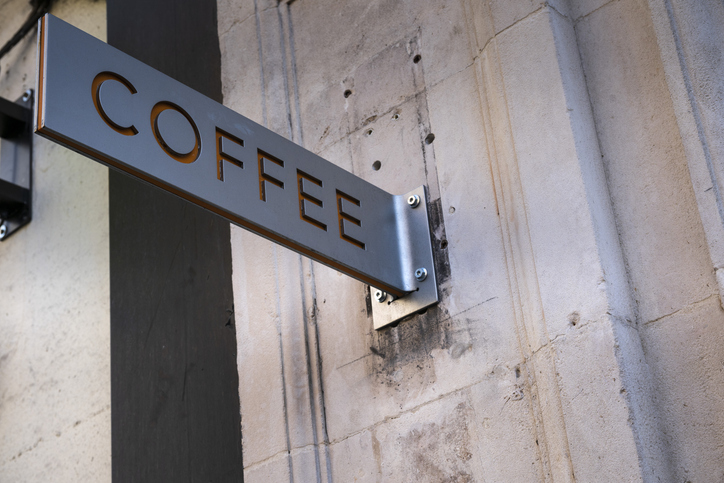
Walk into any well-designed space, and the details speak before anyone does. Signage is one of those details that quietly sets the tone for everything around it. Metal signs carry a certain presence that softer materials lack. They feel intentional, sturdy, and refined. Whether placed inside a corporate office or mounted outside a neighborhood café, they communicate quality at a glance. Here are seven specific ways they bring that professional edge.
1. They Establish Brand Identity Instantly
Branding lives in consistency, and signage is one of the most visible places to reinforce it. A polished metal sign in a reception area or above a storefront tells visitors that every detail has been considered. Businesses looking for that level of control often turn to custom metal signs because they can be tailored to match existing visual guidelines in finish, typeface, and proportion. That alignment across physical spaces strengthens recognition and leaves a more lasting impression on anyone who walks through the door.
2. They Enhance Wayfinding and Navigation
2.1 Clear Direction Without Clutter
Medical facilities, co-working hubs, and large office buildings depend on clear directional cues. Paper or vinyl labels deteriorate fast in high-traffic areas, curling at the edges or losing color within weeks. Metal holds firm. It stays readable season after season, even in corridors with constant foot traffic. Positioned near stairwells or elevator lobbies, these signs guide visitors efficiently without adding visual disorder to an already busy environment.
3. They Elevate Interior Design
Few materials pair as naturally with modern interiors as metal. A satin-finished aluminum piece against reclaimed wood creates depth and contrast. Brass or copper tones soften stark, minimal rooms with a layer of warmth. Designers frequently use metallic elements as visual anchors, grounding a room’s color scheme around a single striking piece. The effect is cohesive without feeling overdone, adding character to spaces that might otherwise read as flat.
4. They Signal Professionalism in Client-Facing Spaces
Trust often begins with what people see before a conversation starts. A precision-cut steel nameplate beside an office entrance communicates something very different from a printed card slipped into a plastic sleeve. It says the business values permanence and attention. Accounting firms, dental offices, and consulting practices rely heavily on this effect. The material itself builds credibility in settings where clients are evaluating every small detail.
5. They Withstand Outdoor Conditions
5.1 Built for Exposure
Exterior signage battles sun, moisture, wind, and temperature swings on a daily basis. Most materials show wear within a year. Stainless steel and powder-coated aluminum resist corrosion, fading, and warping through all four seasons. Restaurants with outdoor seating, boutique storefronts, and hospitality venues benefit from signs that still look crisp after years of exposure. The savings on replacements alone justify the higher initial investment compared to plastic or vinyl alternatives.
6. They Offer Versatile Customization Options
Metal adapts to nearly any creative direction. It can be laser-cut into detailed silhouettes, acid-etched for subtle texture, or finished with matte, high-gloss, or weathered coatings. Lettering can be flush-mounted, raised for dimension, or backlit to catch attention after dark. This flexibility suits projects ranging from a sleek address marker to an expansive feature wall in a hotel lobby. Structural strength holds steady regardless of how elaborate the design becomes.
7. They Add Long-Term Value
Printed banners and foam-board signs serve short-term needs, but they degrade quickly. Metal signage requires a larger upfront commitment; however, the return is spread over years with minimal upkeep. A well-made piece rarely demands replacement or repair. It continues looking sharp and purposeful long after the installation date fades from memory.
7.1 A Smart Budget Decision
Dividing that initial expense over a decade or more paints a very different picture. Disposable materials may cost less per unit, but repeated purchases and labor for swaps accumulate fast. Metal keeps a space looking composed without those recurring charges eating into the budget.
Conclusion
Signage might seem like a minor consideration, but its effect on perception is significant. Metal signs bring structure, durability, and a quiet sophistication that cheaper alternatives cannot sustain. They guide, identify, and beautify all at once. From a bustling commercial lobby to a private creative studio, the right piece ties a space together with purpose. For anyone seeking a finish that feels deliberate and enduring, metal continues to prove itself as a dependable, visually compelling choice.