
Selling an old, damaged, or unwanted vehicle can place real pressure on a household. Messages pile up, inspections interrupt the day, and repair questions can expose costs that exceed the likely return. Wellington owners often need a cleaner route, especially after mechanical failure, accident damage, expired registration, or long-term storage. Car wreckers offer a practical way to recover value, clear space, and avoid the uncertainty that often follows private advertising.
1. Faster Sale Process
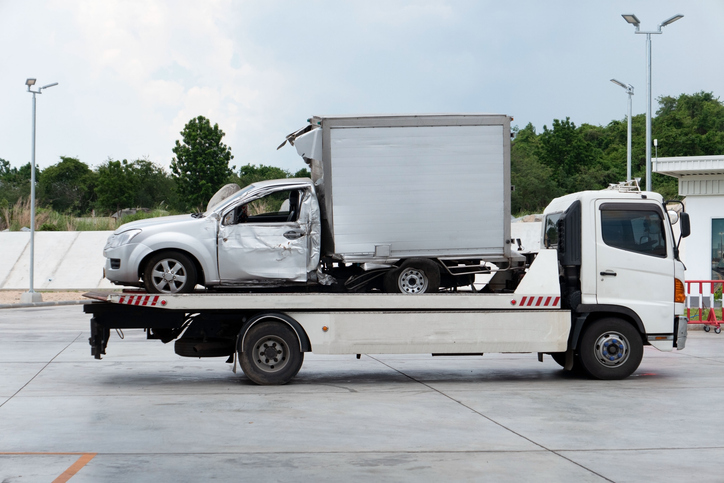
Before listing a damaged vehicle, owners usually weigh repair bills, towing access, warrant status, and likely buyer scrutiny. For vehicles with expired registrations, collision damage, or major faults, car wreckers in Wellington can provide a practical disposal route, as salvage value may come from parts, metals, panels, batteries, and accessories rather than from road-ready performance alone.
2. Less Time Wasted
Private selling can stretch across several weeks. Photos need to be taken, descriptions need care, and every message requires a reply. Some people book viewings, then never arrive. Others inspect the car and return with a much lower offer. Wreckers reduce that friction by assessing the condition once, agreeing on a figure, and arranging collection without repeated appointments.
3. Better for Damaged Cars
A private buyer usually wants a vehicle that starts, drives, and passes inspection with little concern. Structural damage, rust, engine failure, or transmission trouble can quickly end interest. Wreckers view the same car through a different lens. Panels, wheels, seats, glass, catalytic converters, and electronic modules may retain value even after road use is no longer realistic.
4. No Costly Repairs
Sellers often feel pressured to fix faults before advertising. That choice can backfire. A new battery, diagnostic visit, warrant check, or minor panel repair may cost more than the price increase gained later. Wreckers commonly accept vehicles as they stand, including non-runners. This helps owners avoid fresh spending on a car they already plan to release.
5. Free or Simple Removal
An immobile vehicle can become a storage problem quickly. It may block a driveway, occupy a rented parking space, or sit at a workshop after repairs were rejected. Private buyers may expect the owner to arrange transport. Wreckers often coordinate pickup from homes, yards, or garages, which removes the need for separate towing and extra scheduling.
6. Lower Risk of Time Wasters
Private sales invite uncertainty. One buyer may question every scratch, while another may request a long test drive. Someone else might promise payment, then delay contact for days. This pattern creates stress and wasted attention. Wreckers use a more defined process in which condition, offer, payment timing, and collection are discussed before the vehicle leaves the property.
7. Clearer Payment Expectations
Payment risk matters, especially with unfamiliar buyers. Cash handling can feel unsafe, while bank transfers may create delays or disputes. A private purchaser might ask for a deposit arrangement, then change the terms later. Wreckers usually confirm the agreed amount before pickup. That clarity helps owners plan the handover and reduces awkward follow-up after removal.
8. Helpful Paperwork Support
Vehicle disposal involves more than handing over keys. Plates, ownership records, registration status, and release of responsibility all need attention. Private buyers may not explain those steps, and mistakes can cause later confusion. Wreckers handle these transactions regularly, so they can guide owners through common paperwork requirements and help close the matter with fewer loose ends.
9. Stronger Environmental Value
Old vehicles contain oil, coolant, brake fluid, fuel residue, rubber, plastic, glass, and multiple metals. Poor storage or informal stripping can lead to leaks and avoidable waste. Reputable wreckers separate usable parts, drain fluids with care, and direct recyclable material into appropriate recovery channels. This approach reduces landfill pressure while keeping functional components in circulation.
10. Fair Value From Parts
A private buyer often prices the whole car against roadworthy examples. That can work against owners of damaged, aged, or incomplete vehicles. Wreckers assess value across several categories, including demand for parts, metal weight, model scarcity, and salvageable fittings. A failed engine may lower the worth, but doors, tyres, lights, seats, and wiring can still contribute.
Conclusion
Private selling suits clean, roadworthy vehicles with strong demand and patient owners. Many Wellington cars, however, carry faults that make that route slower, riskier, and less rewarding. Wreckers offer a steadier option for damaged, unregistered, or uneconomic vehicles. They reduce repair pressure, collection problems, payment uncertainty, and paperwork confusion. For owners seeking a fair result with fewer interruptions, car wreckers often offer the more sensible path.