
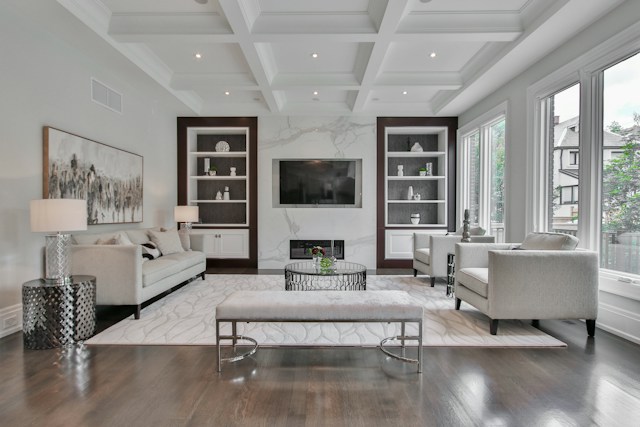
A successful living room upgrade starts with the way you use the space each day. Thoughtful storage, comfortable furniture and adaptable lighting can improve how the room works without stripping away its character. Before ordering new pieces or choosing paint colours, spend time identifying practical frustrations and deciding which changes will have the greatest effect.
Assessing Your Current Space Needs
Start by recording how the room is used over a typical week. A living room may need to support family film nights, quiet reading, children’s play and occasional home working. Note where clutter gathers, which seats rarely get used and whether cables or freestanding furniture block walkways.
Measure the room carefully, including alcoves, chimney breasts, skirting boards, radiators and the position of sockets. Leave around 75 to 90 cm for main routes through the space where possible. A simple scaled floor plan can help you test layouts before moving heavy furniture.
Photograph each wall during daylight and in the evening. These images often reveal awkward corners or uneven lighting that you stop noticing through familiarity. Decide which belongings need accessible storage and which can be displayed. Books used weekly belong within reach, while seasonal items can sit in higher cupboards. This practical inventory will prevent you from buying attractive storage that fails to hold what you actually own.
Choosing Your Style Direction
Choose three words to describe how you want the finished room to feel, such as calm, warm and uncluttered. Use them to guide decisions about colour, furniture and materials. This keeps the scheme consistent while leaving room for personal pieces collected over time.
For a modern interior, begin with one restrained base colour and introduce depth through timber, woven fabrics or textured wall finishes. The advice in these modern living room design steps can help you organise ideas around layout, colour and focal points. Gather samples and view them together in the actual room because artificial showroom light can alter their appearance.
Avoid following a trend so closely that every surface dates at once. Large and expensive elements, including sofas and cabinetry, tend to work best in adaptable colours. Smaller accessories can carry stronger shades or patterns. A rust-coloured cushion, sculptural lamp or framed print is far easier to update than a full wall of highly distinctive joinery.
The Benefits of Custom Units
Made-to-measure storage is particularly useful in rooms with alcoves, sloping ceilings or limited floor space. It can use the full height and width of a wall, reducing the gaps that often collect dust around standard cabinets. Internal layouts can also be planned around specific possessions, from vinyl records and board games to a router that needs ventilation.
Homeowners considering bespoke living room furniture can plan media walls, alcove cabinets, bookcases or home office storage around exact room dimensions. Before requesting a design, list the equipment the unit must accommodate and measure every item, including plugs and cable bends. Allow spare capacity for future devices.
Balance closed cupboards with open shelving. Concealed sections keep paperwork, chargers and toys out of sight, while open areas stop a large installation from appearing too heavy. Ask for drawings that show door clearance, shelf depth and socket access. If a television is included, check its comfortable viewing height from your usual seat instead of positioning it according to the cabinet’s symmetry alone.
Smart Lighting and Accessories
Plan lighting in layers so the room can shift between practical tasks and relaxed evenings. A ceiling fitting supplies general light, table or floor lamps support reading and directional fittings can highlight artwork or shelving. Aim for more than one circuit where feasible, as a single central pendant rarely serves every activity well.
Use LEDs for frequently used fittings. The Energy Saving Trust guidance on lighting explains how efficient bulbs reduce electricity use and last longer than traditional alternatives. Check lumens for brightness and choose a consistent colour temperature. Around 2700K usually creates a warm domestic glow, while cooler light may suit a desk area.
Accessories should support the room’s proportions. One generous rug that reaches beneath the front legs of the sofa and chairs often looks more settled than several small pieces. Repeat two or three colours across cushions, artwork and ceramics, but vary their textures. Smart bulbs and plugs can be useful, though physical switches should remain easy for guests and household members to operate.
Planning for Longevity and Value
Set the budget according to lifespan and daily use. Spend more on fitted storage, seating frames and flooring if they must withstand years of regular wear. Paint, cushion covers and decorative objects can sit in a more flexible part of the budget. Keep roughly 10 per cent aside for small surprises such as electrical adjustments or wall repairs uncovered during installation.
Plan the order of work before anything arrives. Complete wiring, plastering and decorating first, followed by fitted elements, flooring and freestanding furniture. This sequence protects new finishes and reduces the chance of paying twice for the same task. If several rooms are being updated, these modern home renovation ideas offer useful context for setting wider priorities.
Longevity also depends on access. Removable panels around cables, adjustable shelves and replaceable hardware allow a room to evolve without major disruption. Keep paint references, fabric details and installation drawings in one folder for future repairs. A living room designed around real measurements and routines will continue to feel comfortable long after its newest accessories have changed.
Image Credit: Unsplash