
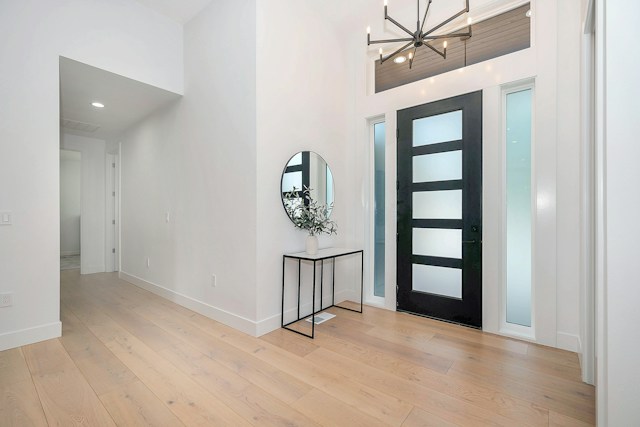
Your entrance sets the tone for the rest of your home, so every detail should feel considered and welcoming. A successful design also needs to cope with daily life, from wet shoes and parcel deliveries to changing weather. Start by looking at the exterior as a complete composition, including the door, walls, pathway and lighting. This helps you make choices that work together instead of selecting each feature in isolation.
Reflecting Your Personal Style
Take visual cues from the rooms closest to your entrance. If your hallway has clean lines and simple furniture, a highly ornate door may feel disconnected. Period features, warm timber tones and decorative glazing often suit traditional interiors, whilst streamlined panels and understated hardware complement a modern home.
Creating a small mood board can help you identify repeated colours, shapes and textures. This guide to finding your home design style offers useful prompts if your preferences feel difficult to define. Photograph the front of your property too, then compare possible designs against the roof, brickwork and window frames.
Choosing the Right Materials
Consider how much maintenance you’re prepared to do and how exposed the entrance is. Timber offers natural character but usually needs periodic care to retain its finish. uPVC is easy to maintain, whilst composite construction combines several materials to provide durability, insulation and a broad range of design options.
Homeowners in Liverpool and the Wirral can explore locally manufactured Composite Doors when comparing bespoke designs, security features and delivery times. Before ordering, confirm the measurements, opening direction, threshold and position of nearby walls or radiators. Ask what routine cleaning the finish requires and check that replacement seals or hardware will remain available in future.
Colour Palettes and Finishes
Choose the door colour in daylight and view it from several metres away. A tiny sample can look quite different across a full door, especially on a shaded or south-facing elevation. Deep blue, forest green and muted red bring character to traditional brickwork, while black, warm grey and soft neutral shades create a restrained look.
Use the home’s existing fixed features to narrow your options. The ideas in this guide to colour and personal style can also help you understand why certain combinations feel balanced. Match finishes carefully too. Brushed metal has a softer appearance, while polished hardware makes a brighter, more decorative statement.
Bespoke Design Made Easy
Begin with practical decisions before experimenting with decorative details. Measure the structural opening accurately and note where the letter plate, handle and glazing need to sit. If privacy matters, consider obscured glass or smaller glazed panels that still bring daylight into the hallway.
Limit your shortlist to three designs, then compare them using the same colour and hardware finish. This makes subtle differences much easier to spot. A structured set of style discovery steps can help if several looks appeal to you. Once you’ve chosen, request a visual mock-up and review every specification, including frame colour, hinge side and glazing pattern, before approving the order.
Lighting and Accessories
Good lighting makes an entrance safer and ensures your design remains visible after dark. Place wall lights where they illuminate the handle, key area and doorstep without shining directly into visitors’ eyes. Warm white bulbs around 2,700K create a welcoming glow, while motion sensors can prevent lights being left on unnecessarily.
Keep accessories consistent in style and finish. A door knocker, house number, bell and letter plate can look cluttered when each has a different shape or metal tone. Add a weather-resistant doormat and one well-scaled planter if space allows, leaving a clear route to the threshold. Before finalising the scheme, view it from the pavement in both daylight and evening conditions. That last check often reveals exactly where a light or number needs moving.
Your dream entrance should make arriving home feel effortless. When the handle sits comfortably, the number is easy to read and the colour works with the building, the result will feel considered every single day.
Image Credit: Unsplash