With the cost of living continuing to rise, many households around the world are looking for ways to cut down on their energy bills. It costs a lot of money to provide gas, electricity, heating and water to your home, and these utilities are things one cannot live without. When your monthly energy bill comes in, it can be a shock. Especially in winter when it is a lot harder to keep your home at a comfortable temperature.
Fortunately, there are several things you can do to reduce your household costs, and it does not require you to make major lifestyle changes or spend a fortune on a new boiler. Just a few small but significant lifestyle changes are all you need to make a noticeable difference over time. Here are eight practical tips for lowering your energy bills.
Understand your energy usage
Before you can begin making serious changes, it helps to understand exactly how your household uses energy. In most homes, heating and hot water make up the largest share of costs, followed by electricity. Most homes have accessible meters, where you can review your energy usage and identify any patterns.
An even better option is to invest in a smart meter or an energy monitoring app to provide accurate real-time insights. This can help you spot waste or excessive usage and adjust your habits accordingly.
Heat your home carefully
Heating is often the single biggest expense in a household energy budget, particularly during the colder months of the year. But a few small improvements in how you heat your home can lead to massive savings.
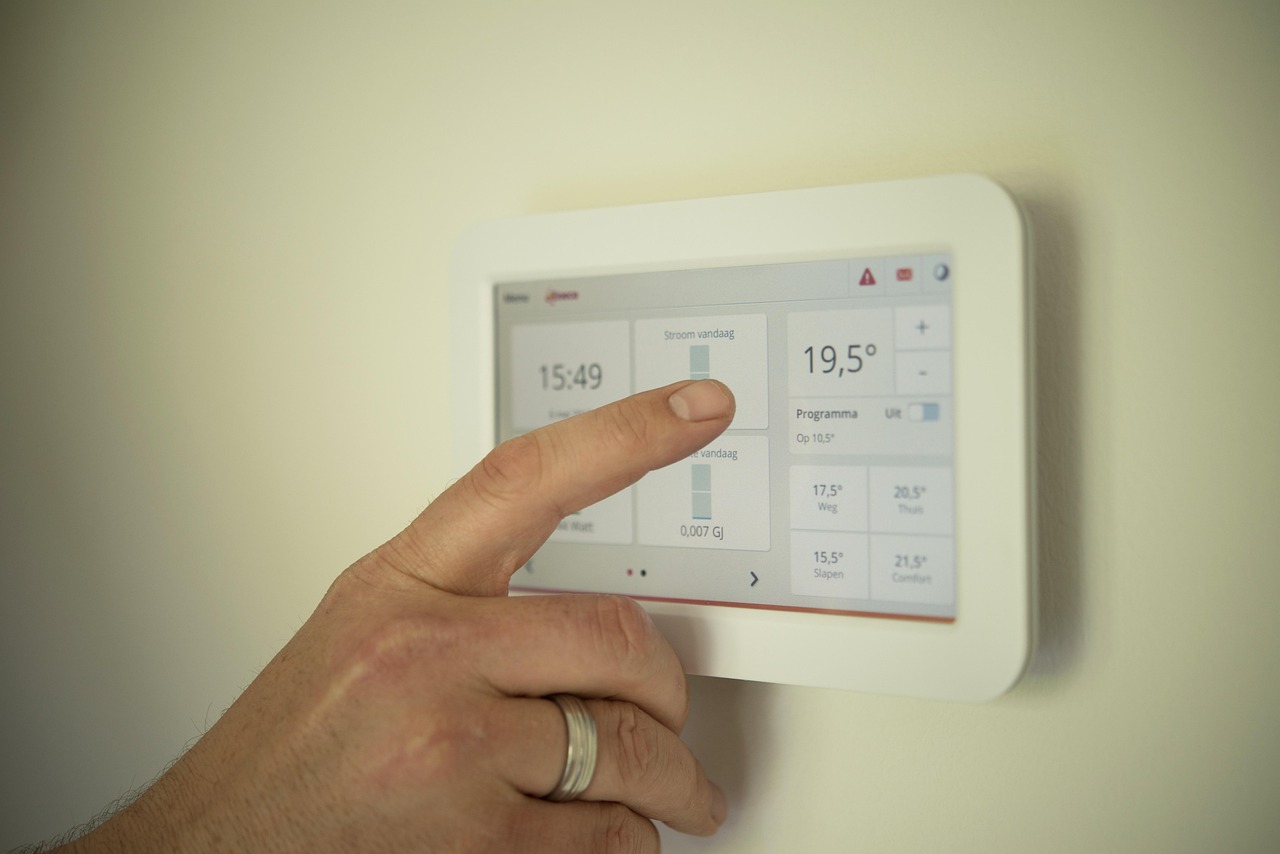
Start by setting your thermostat to a sensible temperature rather than simply blasting the heat. Lowering it by just one degree can dramatically reduce heating costs in the long term without affecting your comfort. Use timers or smart thermostats to ensure heating is only on when needed, rather than running all day.
Keeping the heat inside your home is just as important. Make sure doors and windows are properly sealed, and close curtains or blinds at night to reduce heat loss. Double glazing is worth considering because it helps retain heat and reduces drafts, making your home warmer and more energy-efficient.
Waste less water
Water costs money, and using hot water also adds to your gas and electricity bills, depending on your system.
Taking shorter showers is one of the easiest ways to reduce hot water use. Install a water-efficient showerhead cut consumption, and minimize the number of baths you take. Fixing dripping taps is another important step, as even small leaks waste surprising amounts of water over time. Turn off the tap while brushing your teeth or washing dishes, and use a bowl in the kitchen sink rather than letting water run continuously. If you have a garden, use a vessel for collecting rainwater that you can for watering plants.
If your water heater has a temperature setting, ensure it is not set higher than necessary. Insulating your hot water pipes and tanks can also help keep water hot for longer, reducing the need for reheating.
Reduce electricity use
Electricity is needed for many everyday household activities, from cooking and cleaning to watching TV and working from home. Be mindful of how and when you use electricity throughout the day and find small ways to lower your bills.
For example, you should always turn off lights when leaving a room and replace any outdated bulbs with energy-efficient LED ones that not only use less power but also last much longer. Switch off devices at the wall when they are not in use, as many electronics continue to draw power on standby.
Use appliances efficiently
Many household appliances are major drains on energy, especially if they are older and not working efficiently. When buying new appliances, look for energy-efficient ratings, as these can lead to long-term savings even if they do cost more initially.
Run your washing machine, dryer, and dishwasher with full loads whenever possible, and select eco or low-temperature settings. This will still keep your clothes and dishes clean, but uses less energy in the process. If the weather is nice, air dry your clothes instead of putting them in the tumble dryer as it won’t cost you anything. And when you do use a dryer, make sure you keep the filter clean to ensure it runs efficiently.
Save energy while cooking
Your kitchen is another area where small changes can make a big difference. When cooking, place lids on pots and pans to retain heat and reduce cooking time. Match the size of the pan to the size of the hob to avoid wasting energy. When boiling the kettle, use only the amount of water you need, and consider using a microwave or air fryer for smaller meals, as these tend to use less energy than a full-sized oven.
Insulate your home
Good home insulation helps maintain a comfortable indoor temperature all year round, reducing the need for excessive heating in winter and air conditioning in summer. Installing loft insulation, wall insulation, and draft-proofing throughout the house are all effective ways to reduce energy loss. While these insulation improvements will require an upfront investment, they generally pay for themselves through lower energy bills over time.
Review your energy tariff
Are you on the best energy tariff for your household? It’s a good idea to regularly audit your energy provider, comparing suppliers and tariffs to see if there is any opportunity to save money. Even contacting your provider and asking for a cheaper rate might work, as they will prefer to give you a good deal rather than lose you as a customer completely.
Some providers offer cheaper rates for off-peak electricity use, which can benefit households that can run appliances during these times. For example, if you work from home, doing laundry in the middle of the day is often cheaper than in the evening.
Conclusion
In summary, there are so many simple ways to reduce your household energy bills without compromising on comfort and convenience. All it takes is a few simple changes to how you heat your home, use appliances, run water, and consume electricity to make an enormous difference. Over time, these habits will not only reduce your expenses but also contribute to a more sustainable and eco-friendly home.
Image: Pixabay