Older homes lose heat in ways new-builds simply don’t. Gaps around doors and windows, uninsulated chimneys, floorboards that have shrunk and shifted over a century — none of it is dramatic on its own, but added together it’s often the reason a period house never quite feels warm, however high the thermostat goes. The good news is that fixing most of it doesn’t mean ripping out the features that make the house what it is. It’s usually a case of working with the building rather than against it, and understanding which draughts are worth chasing and which ones are just part of living somewhere with real age and character.
Here are eight of the most effective ways to cut draughts and heat loss in an older property, roughly in order of how much they cost and how much they involve. Some of these are an afternoon with a tube of sealant; others are a proper piece of joinery work that’s worth planning for rather than rushing. Both have their place, and most period homes end up needing a bit of each.
1. Weatherstripping around doors and windows
The cheapest and quickest fix on this list. Self-adhesive foam or brush strips around door and window frames close the small gaps that let cold air in and warm air straight back out, and a weekend is enough to do an entire house. Sash windows benefit particularly from this, since the moving parts that let them slide up and down are also, by design, small gaps — a brush strip fitted into the running track cuts the draught without affecting how the window opens. It won’t solve every problem, but it’s the obvious first step before spending on anything bigger.
2. Letterbox and keyhole draught excluders
Small gaps, disproportionate effect. A letterbox flap or brush, and a simple keyhole cover, are inexpensive fixes for two spots that let in a surprising amount of cold air relative to their size — especially on a front door that catches the wind.
3. Chimney draught excluders
An open, unused chimney is effectively a permanent hole in the house, pulling warm air straight up and out. An inflatable chimney balloon or a purpose-made draught excluder blocks that flow while still being removable if the fireplace is used occasionally, which matters in period homes where the chimney is often more original feature than functioning fireplace. It’s worth checking the flue is properly ventilated even when blocked, though, particularly in a room with a gas appliance nearby — a quick check with whoever last serviced the chimney is enough to be sure.
4. Sealing floorboard and skirting gaps
Original floorboards look wonderful but shrink over the decades, leaving gaps that let draughts straight up from the void below. A flexible sealant or a proper floorboard-gap filler (rather than rigid filler that will crack as the wood moves again) closes this without covering the floor up, and the same goes for gaps that open up along skirting boards over time. For a larger or particularly draughty room, a layer of breathable insulation underneath the boards — accessed from below, if there’s a cellar or accessible void — deals with the same problem on a bigger scale.
5. Topping up loft insulation
Heat rises, and a lot of it leaves through an under-insulated loft. It’s not a period-specific issue, but older homes are more likely to be under-insulated simply because the insulation, if it exists at all, often dates from whenever the loft was last touched. Current guidance recommends around 270mm of loft insulation, and topping up an old, thin layer is usually straightforward and relatively cheap for the difference it makes — often one of the best-value jobs on this entire list, pound for pound.
6. Addressing single-glazed windows
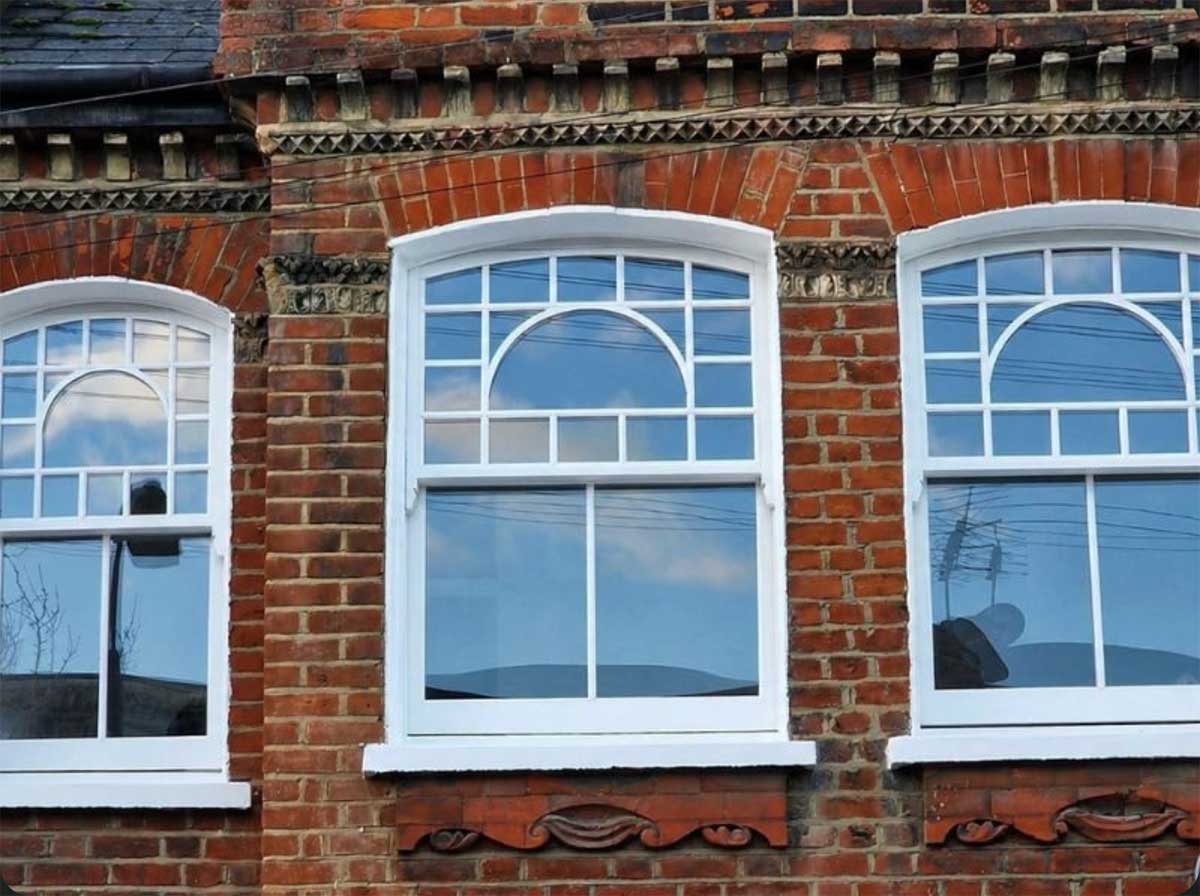
This is usually the biggest single factor on the list, and the one people put off longest. A single-glazed Victorian or Edwardian sash window can account for a significant share of a room’s total heat loss, and it’s often the reason one room in an otherwise warm house never quite loses its chill. In conservation areas — Richmond Hill, Kew Green, St Margarets and Petersham are good local examples — full replacement isn’t always straightforward, or even permitted, which is where it helps to work with a specialist who understands both the heritage rules and the upgrade options available within them, such as Sash Windows in Richmond, London. Modern sealed double- or triple-glazed units can often be fitted into a traditional timber frame, keeping the original profile and character while meaningfully improving thermal performance and cutting outside noise at the same time — a detail that matters as much on a busy road as it does in winter. It’s also worth having a frame properly assessed before assuming it needs replacing at all: a lot of what feels like an unfixable, draughty old window is actually a well-built frame let down by worn cords, warped sashes, or perished putty, all of which are usually repairable.
7. Secondary glazing as a lighter-touch option
Where full replacement isn’t right for the property — or the budget — secondary glazing is worth considering as a middle step. A discreet second pane fitted behind the existing window improves both heat retention and noise reduction without touching the original glass or frame, which makes it a common choice for listed buildings where the external appearance has to stay untouched. It’s a slightly less complete fix than replacing the glazing units directly, but it’s reversible, comparatively quick to install, and a genuinely useful option for a room where the original glass itself has real value — an old, slightly wavy Victorian pane, for instance, that would be a shame to lose.
8. Heavier curtains and thermal linings
The least structural fix on the list, but not a negligible one. Floor-length curtains in a heavier fabric, or an added thermal lining, trap a layer of still air against the window and noticeably cut the chill that radiates off a cold pane of glass on a winter evening — a cheap, reversible option for rooms where bigger work isn’t happening any time soon. A snugly fitted pelmet or curtain box across the top adds a further improvement for very little outlay, since a surprising amount of warm air otherwise escapes up and over an open curtain rail.
Getting the balance right
Most period homes benefit from tackling this roughly in order: the cheap, quick wins first — weatherstripping, letterbox seals, a chimney balloon — then loft insulation, and only then the bigger question of what to do about the windows. That last one is worth getting proper advice on rather than assuming replacement is the only answer; a well-maintained timber sash with the right draught-proofing and glazing upgrade can perform close to a modern unit while keeping the house looking like itself. The building has usually stood for well over a century already — the aim is to make it comfortable for the next one without losing what made it worth keeping in the first place. None of it needs doing all at once, either; tackled a step at a time, it’s a manageable project rather than a daunting one, and each stage makes a noticeable difference on its own.