Cash is still king for millions of shoppers, and that means businesses handle paper currency every single day. What most owners don’t stop to consider is how often counterfeit notes slip through unnoticed. A single fake bill might seem minor, but for a restaurant running on tight margins or a retailer processing hundreds of cash sales weekly, those losses compound quickly. Knowing what to look for and giving staff the right tools to verify each note is the simplest way to protect hard-earned revenue and maintain the trust customers place in a business.
Why Counterfeit Currency Still Poses a Serious Threat
Printing technology has come a long way, and unfortunately, counterfeiters have kept pace. The United States Secret Service has seized billions of dollars in fake notes over the past decade alone. Manual checks help, but they leave too much room for human error, particularly during a lunch rush or a holiday weekend.
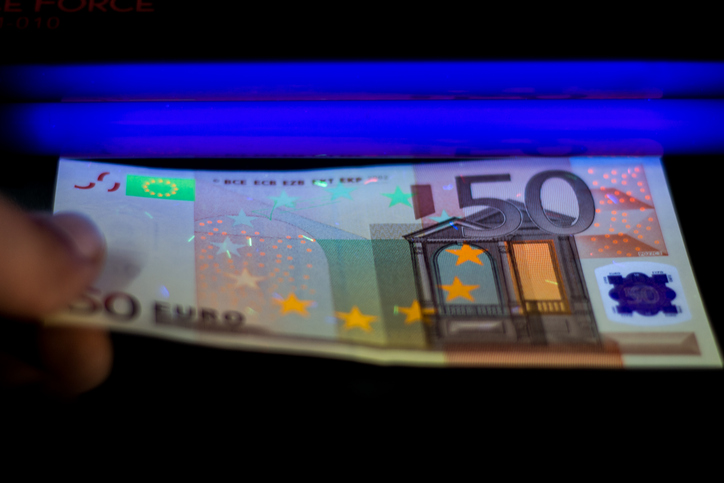
Equipping a checkout area with an advanced counterfeit bill detector for secure transactions gives every team member a consistent way to authenticate notes on the spot. These devices rely on ultraviolet, magnetic, and infrared sensors to verify bills within seconds, removing guesswork from the process altogether.
Common Security Features Found in Genuine Currency
Watermarks and Security Threads
Hold a genuine banknote up to the light, and a faint watermark appears, embedded directly into the paper. A thin security thread also runs vertically through each bill, carrying micro-printed text along its length. Replicating both of these elements convincingly is extremely difficult, which makes them dependable first-pass indicators of a real note.
Color-Shifting Ink
On higher-denomination bills, the ink in certain areas shifts color when the note is tilted. If that color stays flat and unchanging, there is a strong chance the bill is counterfeit. Teaching cashiers this simple tilt test takes just a few minutes, yet it catches a surprising number of low-quality fakes.
Microprinting and Fine-Line Patterns
Genuine currency bears tiny text that becomes legible only under magnification. Borders and backgrounds feature intricate fine-line patterns that blur or vanish entirely in photocopied reproductions. Checking these details by hand, though, slows the checkout line considerably during peak hours.
Practical Steps to Strengthen Cash Handling
Train Every Team Member
Detection skills should not be the exclusive domain of managers. Every employee who touches cash needs baseline training on what authentic currency looks and feels like. Quick quarterly refresher sessions keep those skills sharp, and posting visual reference guides near each register offers an effortless reminder during busy shifts.
Use Multi-Method Verification
No single test catches every fake. Pairing a quick tactile inspection with a machine-based scan creates a layered approach that is far more reliable. Devices capable of analyzing multiple security markers at once deliver the highest accuracy and cut down on false alarms.
Establish a Clear Response Protocol
When a suspicious bill does surface, staff need to know exactly what to do. A written protocol should outline how to retain the note, record its details, and contact local authorities. Clear steps like these prevent awkward confrontations at the counter and keep employees feeling confident rather than uncertain.
The Cost of Ignoring the Problem
The damage from accepting counterfeits stretches well beyond the face value printed on the fake. Repeated incidents can raise concerns with banking partners, leading to deposit reviews or increased scrutiny on an account. Most insurance policies offer no coverage for counterfeit losses either, so every fraudulent bill chips directly into the bottom line. Over months and years, even small recurring hits drain profitability and pull resources away from areas that actually drive growth.
How Technology Has Improved Detection Accuracy
Today’s detection machines can authenticate a bill in less than a second. Dual and triple-sensor models cross-check ultraviolet fluorescence, magnetic ink signatures, and infrared reflectivity against verified genuine profiles. Error rates on current-generation equipment sit well below one percent, a level of precision that outperforms even the most experienced human inspector. Compact desktop units now fit neatly beside any point-of-sale terminal, making setup simple for businesses of every size.
Conclusion
Guarding against counterfeit currency takes more than a watchful eye during the occasional slow afternoon. Trained staff, documented procedures, and dependable detection equipment working together form the strongest line of defense any cash-handling business can build. Operations that process large volumes of paper currency stand to gain the most from automated verification tools that deliver reliable results across every shift. Putting these measures in place now protects revenue, strengthens relationships with financial institutions, and ensures each transaction is backed by genuine currency.