
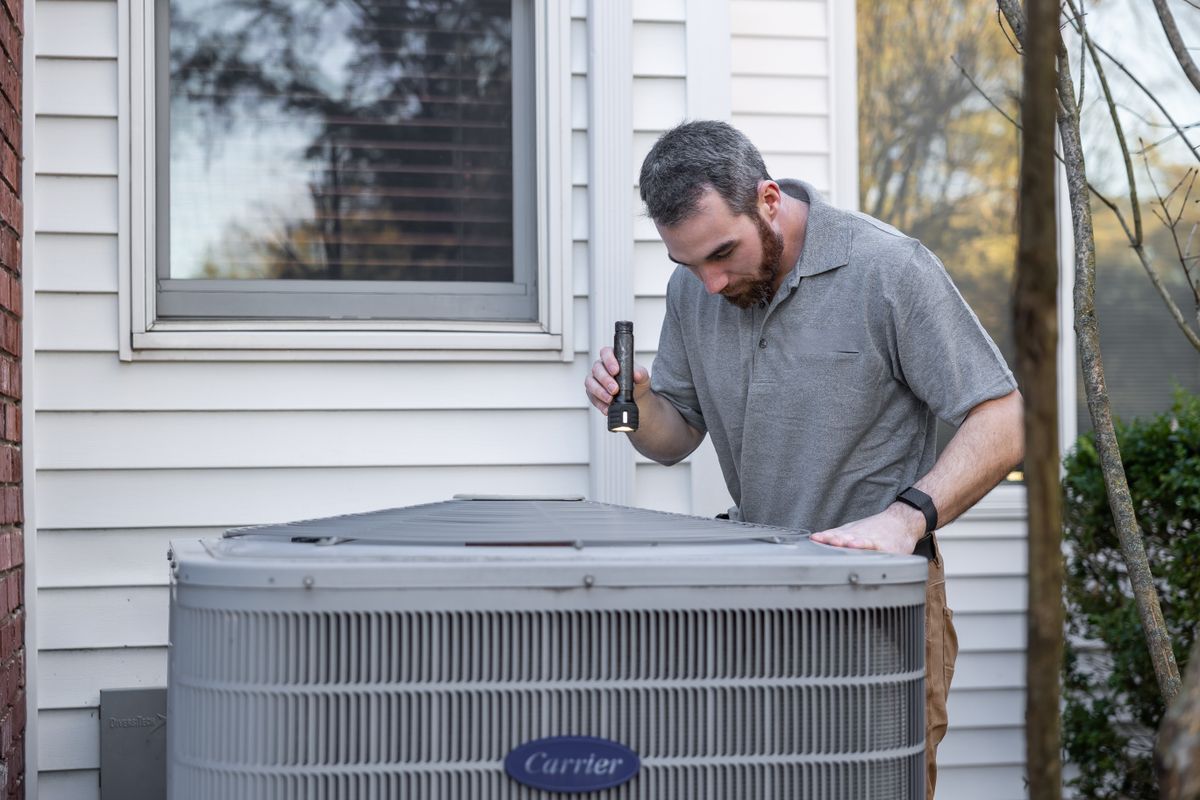
There’s a special comfort in closing the door on the outside world and relaxing in our own space. We decorate our homes to show off our personalities and create a sense of peace. But while we focus on what we can see and touch, we often forget about something invisible that deeply affects how we feel: the air we breathe. The air quality inside our homes directly affects our health, sleep, and overall energy levels.
Invisible Threats in Our Homes
Many of us think pollution is an outdoor problem, something linked to traffic fumes and industrial smog. But the truth is, the air inside our homes, offices, and schools can be much more polluted than the air outside. The U.S. Environmental Protection Agency says Americans spend about 90% of their time indoors.
There, pollutant levels are often 2 to 5 times higher than typical outdoor concentrations. This problem gets worse with modern, energy-efficient building practices. These seal our homes tightly to save energy, but they can also trap pollutants inside. Improving indoor air quality is a key step to creating a truly healthy living environment.
Common Indoor Air Pollutants
Indoor air pollution comes from many different places, often from everyday items and activities. Knowing what these sources are is the first step to dealing with their effects. The World Health Organization recognises air pollution as a major health risk worldwide, including the air within our own four walls.
Common culprits include:
- Biological Pollutants: This group includes dust mites, pet dander, mold, and pollen. They can trigger allergies and asthma. Mold, especially, thrives in damp spots like bathrooms and basements.
- Volatile Organic Compounds (VOCs): These are gases released by many products and may make you wonder whether your home needs a deep cleaning. They come from items such as paint, new furniture, carpets, cleaning supplies, air fresheners, and cosmetics. For more specific information, check out air conditioning cleaning. VOCs can cause headaches, nausea, and dizziness.
- Combustion Pollutants: Gas stoves, fireplaces, and even scented candles can release pollutants like carbon monoxide and nitrogen dioxide into the air. Good ventilation is essential when you use these.
Why Clean Air Systems Matter
Think of your home’s heating, ventilation, and air conditioning (HVAC) system as its lungs. It moves air around to keep you comfortable, but it can also spread the very pollutants you want to avoid. Filters are your first line of defense, but they can’t catch everything. Over time, dust, mold, and bacteria can build up inside the unit itself. When the system runs, these contaminants then get pushed throughout your home.
Regular maintenance is vital to keep your system running efficiently and cleanly. A clean system not only helps create healthier air but also works better, which could lower your energy bills.
Creating a Healthier Home Space
In addition to taking care of your HVAC system, you can use several simple but effective strategies to improve your home’s air quality. Adding these habits to your routine can make a noticeable difference in how you feel.
Taking proactive steps to improve your indoor air quality is an investment in your health. By reducing pollutants and keeping your home’s systems clean, you create a space that truly supports your well-being, allowing you to breathe easier in every sense of the word.
Image Credit: Pexels