Luxury interiors are not defined by expensive furniture alone. The most sophisticated homes often feel special because of the way materials, colours, and textures work together. From a beautifully upholstered armchair to heavy curtains and tactile cushions, fabric can introduce warmth and character that hard surfaces simply cannot achieve.
The key is to choose materials thoughtfully rather than filling a room with decorative details. Quality upholstery fabric, layered textiles, natural materials, and a restrained colour palette can make even a simple interior feel considered and refined. When these elements complement one another, they create depth without making the room look overly styled.
Start With a Sophisticated Colour Palette
Colour creates the foundation for an elegant interior. While there are no strict rules, luxury spaces often benefit from a controlled palette that allows furniture and architectural features to stand out.
Warm neutrals such as cream, taupe, stone, and soft grey provide a versatile starting point. Deeper shades, including forest green, navy, burgundy, and chocolate brown, can then introduce richness and contrast.
Rather than using several unrelated colours, repeat a small number of shades throughout the room. A colour from an armchair might reappear subtly in a cushion, curtain, or piece of artwork. These connections make a space feel carefully designed.
Make Upholstered Furniture a Feature
Sofas and armchairs are usually among the largest objects in a living space, making them an important part of the overall design.
Instead of viewing upholstery purely as a practical covering, consider it a major decorative element. Rich textures can give a simple chair greater presence, while an unexpected colour can transform a traditional piece into a contemporary focal point.
Reupholstering is also worth considering when you own well-made furniture that no longer fits your interior. A strong frame can often be refreshed with a new covering, allowing you to preserve the quality of the original piece while updating its appearance.
Layer Different Textures
One of the simplest ways to make a room feel luxurious is to introduce several textures. A completely smooth interior can look flat, even when it contains beautiful furniture.
Contrast is what creates visual depth. Combine soft cushions with structured seating, smooth timber with woven materials, or crisp bedding with a textured throw. Velvet can add richness, while linen offers a more relaxed sophistication.
The aim is not to include every possible texture. Instead, choose a handful of materials that complement each other. Subtle differences often feel more refined than dramatic contrasts.
Give Curtains More Attention
Window treatments can have an enormous effect on the character of a room. Curtains that are too short or lack fullness may make an otherwise stylish space feel unfinished.
Where practical, hanging curtains higher can emphasise ceiling height and create a more elegant appearance. Generous fabric also produces attractive folds and gives windows greater presence.
Consider the function of the room when choosing materials. Bedrooms may benefit from heavier curtains for privacy and light control, while lighter textiles can work beautifully in living areas where natural light is a priority.
Use Cushions With Restraint
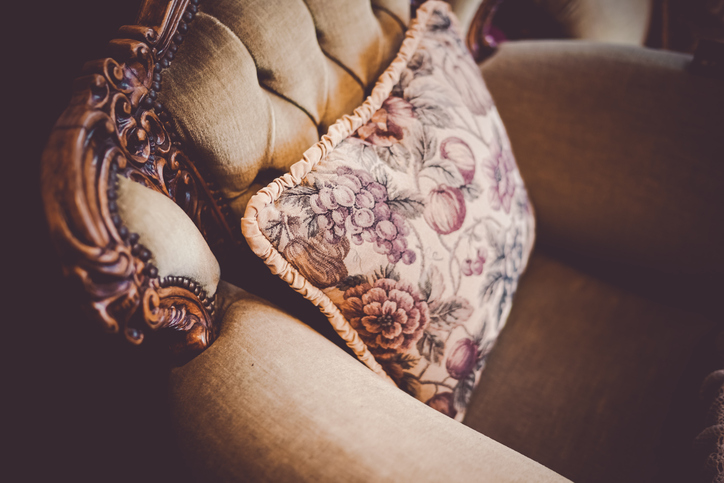
Cushions provide an easy way to experiment with colour, pattern, and texture, but more is not always better. Filling every sofa and chair with cushions can make a room look cluttered and leave little space to actually sit.
A smaller selection of high-quality cushions often creates a stronger impression. Mix sizes and textures while maintaining a consistent colour story.
Patterns can add personality, particularly in otherwise neutral rooms. If you choose a bold design, balance it with simpler fabrics nearby so that the overall look remains sophisticated rather than busy.
Mix Old and New Pieces
A luxurious interior does not need to resemble a furniture showroom. In fact, rooms often become more interesting when they contain objects from different periods.
A vintage armchair can sit comfortably beside a contemporary table, while an antique cabinet can bring warmth to a modern room. Reusing older furniture also provides opportunities to introduce distinctive shapes and craftsmanship that may be difficult to find in new pieces.
Updating an older item with fresh fabric, new hardware, or professional restoration can help it work naturally within a contemporary scheme.
Pay Attention to Smaller Details
Luxury often appears in details that are easy to overlook. Piping around a cushion, beautifully finished seams, carefully chosen trims, or coordinated hardware can subtly elevate an interior.
The same principle applies beyond textiles. Consider lampshades, picture frames, handles, and decorative objects. Rather than buying numerous accessories, select fewer pieces with interesting materials or shapes.
Leaving some empty space is equally important. A room does not need decoration on every surface. Allowing individual objects room to breathe can make them feel more significant.
Choose Materials for Real Life
An elegant home still needs to function. Beautiful materials offer little value if they are unsuitable for the way you live.
Households with children or pets may want durable fabrics that cope with regular use and are relatively easy to maintain. Dining chairs and family sofas will naturally experience more wear than occasional seating in a bedroom.
Think about durability, cleaning requirements, sunlight exposure, and everyday use before choosing any material. Practicality and luxury are not opposites. The best interiors successfully combine both.
Create a Home That Feels Collected
Perhaps the most appealing luxury interiors are those that feel as though they have evolved gradually. Instead of following one trend too closely, they combine personal objects, quality furniture, art, textiles, and carefully chosen colours.
Take time to discover what you genuinely like. You might prefer soft natural linens, dramatic velvets, traditional patterns, or contemporary textured weaves. These preferences can become the foundation of a recognisable personal style.
Ultimately, creating a luxurious home is less about spending more and more about choosing well. Thoughtful fabrics, layered textures, considered colours, and distinctive furniture can transform everyday rooms into spaces that feel comfortable, sophisticated, and entirely personal.