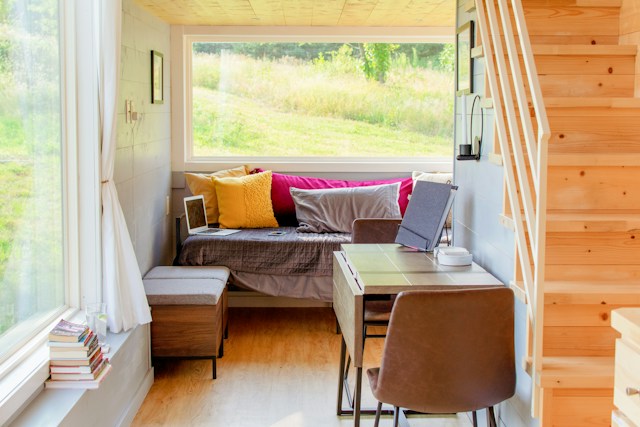

After a long day, the last thing you want is to climb into bed and still feel restless. Sometimes, the problem is right in front of you: the streetlight shining through your curtains, the pile of laundry in the corner, or the phone you keep checking before bed. Your bedroom’s setup can also affect how easily you relax, and a few small changes can make it feel much more inviting when it’s time to call it a night.
Choose Restful Neutral Colour Palettes
Choose a restrained palette that feels comfortable in both daylight and warm bedside lighting. Soft grey, warm white, oatmeal, muted green and dusty blue work well because they introduce colour without making the room feel busy. A simple bedroom sanctuary design also limits strong visual contrasts that may make the space feel too stimulating.
Test paint samples on more than one wall before committing. Colours can look noticeably cooler beside a bright window and warmer in a shaded corner. If repainting isn’t practical, introduce neutral tones through bedding, a rug and lampshades. Limit brighter shades to one or two small accents that you can easily remove if they become distracting.
Block Ambient Night Light with Blinds
Reduce light entering through the windows first, as streetlights, passing vehicles and the early sunrise can interrupt an otherwise dark bedroom. Check for gaps around the edges and observe the room when outside light is strongest. This makes it easier to identify the coverage you need.
Custom blinds can also suit homeowners who are renovating, building or upgrading their window furnishings and want a precise fit. Consider how the material, mounting position and operating style will work with your window. A close-fitting option may provide better light control, while motorised operation can help maintain a consistent evening routine. Pair the blinds with lined curtains if light still enters at the sides, then cover small electronic indicator lights inside the room.
Reduce External Noise with Soft Furnishings
Use textiles to soften sharp sounds and reduce echo from bare floors and walls. A thick rug beside the bed, lined curtains, and an upholstered headboard can make the room feel quieter without requiring structural work. Practical sleep sanctuary ideas often focus on layered materials because they improve comfort while supporting a restful appearance.
Choose washable fabrics where possible, particularly if dust affects your breathing. Secure rugs with a non-slip underlay and avoid piling decorative cushions on the bed if moving them becomes an irritating nightly task. For persistent traffic or neighbour noise, place a bookcase or upholstered chair against the wall where the sound is most noticeable. A fan or low-volume white noise can also help mask irregular disturbances.
Establish Evening Screen Boundaries
Set a clear time to stop using phones, tablets, and laptops before bed, as they can keep your mind engaged. Plus, notifications can make it tempting to check messages after lights-out. Try charging devices across the room 30 to 60 minutes before bedtime. If you use your phone as an alarm, switch on sleep mode and disable non-essential notifications.
Replace scrolling with a routine that has a definite end, such as reading one chapter, stretching for five minutes, or preparing clothes for the following morning. Keep the lighting low during this period and use a warm bedside lamp instead of the main ceiling light. Repeating the same sequence each evening helps your bedroom become a cue for rest.
Once the room’s dark, softly furnished, and free from late-night alerts, maintain those conditions with a regular reset: close the window coverings, clear the bedside table, and put your phone in its charging spot before getting into bed.
Image Credit: Pexels