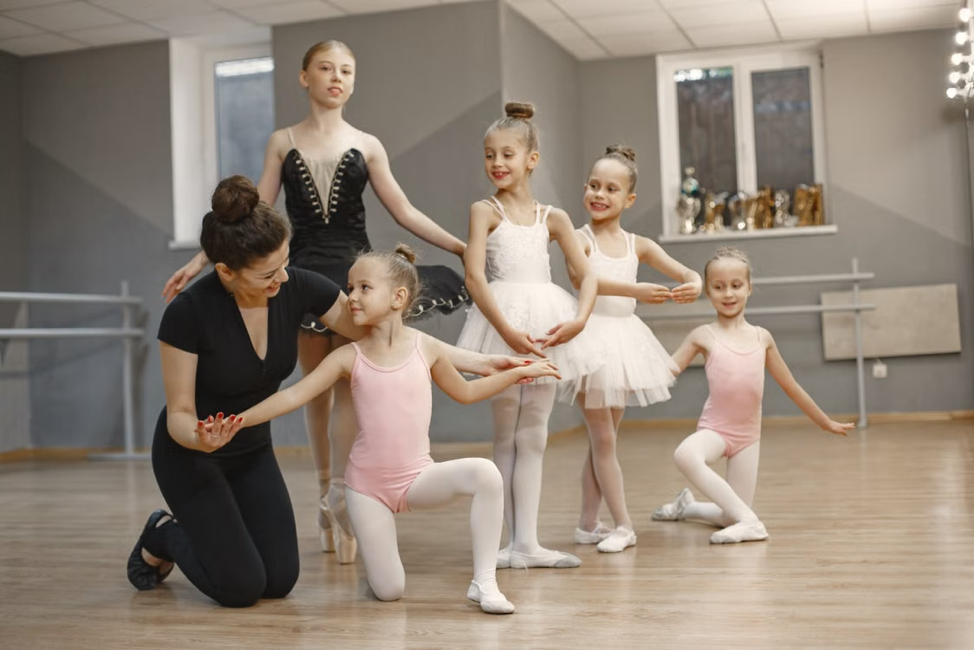
Young dancers thrive when the adults around them provide steady encouragement, sensible routines and room to explore. Support can come from parents, teachers and mentors, each of whom helps a child balance technical progress with enjoyment. Alongside regular classes, age-appropriate physical activity guidelines can help families understand how dance fits into a healthy week. The aim is to build habits that protect wellbeing while allowing talent and personality to develop at a comfortable pace.
Fostering Discipline and Creativity Early
A simple routine gives young dancers structure without making every practice feel formal. Set aside two or three short sessions each week for stretching, reviewing class material or improvising to a favourite piece of music. Ten focused minutes can be more useful than an hour completed when a child is tired. Building these short sessions into everyday life reflects the value of small, consistent habits, which can make routines easier to maintain over time.
Creative experiences also show dancers how varied the industry can be. Attending performances, workshops and the Move It Dance Show can introduce them to different dance styles, teachers and professional pathways. A supportive teacher or one of the dance mentorship programmes featured by *Pointe* may offer further guidance as their interests become clearer. Keep praise specific, noting improved timing, thoughtful expression or consistent effort.
Managing Rehearsals and Academic Life
Put school deadlines, classes and rehearsals on one shared calendar so busy periods are visible early. If a production includes three evening rehearsals during exam week, speak to the teacher before the schedule becomes stressful. They may be able to adjust a call time, suggest practice material for home or clarify which sessions require full attendance.
Protect sleep and regular meals as firmly as rehearsal time. Pack water and a practical snack such as fruit, yoghurt or a sandwich for longer sessions, then leave some unscheduled time after demanding days. Watch for persistent tiredness, irritability, falling grades or recurring pain. These signs call for a conversation with the young dancer and their teacher, followed by medical advice where appropriate.
Flagship Expos for Young Performers
Large dance expos can turn an abstract ambition into something tangible. Young performers may watch established companies, try unfamiliar styles, meet training providers and see how costume, production and teaching careers fit within the wider dance world. Before booking, read the age guidance and timetable together, then choose a few priorities. An overloaded schedule can leave little time to absorb the experience.
Plan breaks between classes and stage performances, especially if the event lasts all day. Comfortable layers, water, familiar snacks and a small notebook are useful additions to the dance bag. After the event, ask which session felt most enjoyable and what surprised them. Those answers often reveal more than asking which performer seemed most impressive.
Building Confidence on and off Stage
Confidence grows through achievable challenges. A dancer might first perform a short combination in class, then join a small group piece before considering a solo. This gradual progression lets them collect evidence that they can prepare, recover from mistakes and continue performing under pressure.
Help them create a brief pre-performance routine, such as checking their costume, taking three slow breaths and quietly marking the opening counts. Avoid detailed corrections in the final minutes before they go on stage. One calm reminder is easier to use.
Afterwards, begin with how the performance felt from their perspective. Discuss one moment they enjoyed and one skill they’d like to practise next. A missed step needn’t define the day, especially when the dancer showed composure and rejoined the routine.
The strongest support leaves space for a young dancer’s own voice. Listen when they talk about favourite styles, nerves or changing ambitions and let those conversations shape the next class, event or performance opportunity.
Image Credit: Pexels