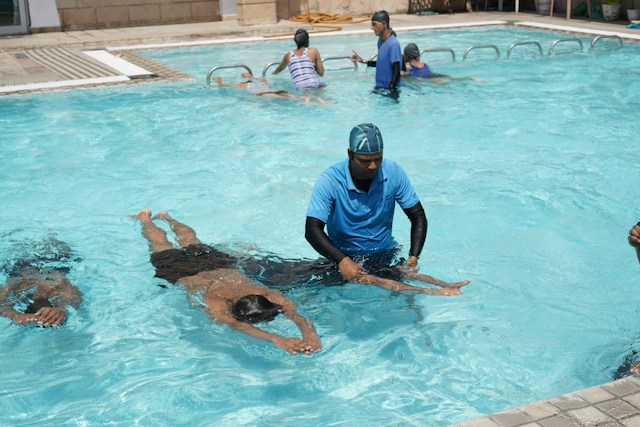
Swimming gives adults a practical life skill, an accessible form of exercise and far more freedom around water. Yet many people reach adulthood without feeling comfortable in a pool, often because they missed lessons when they were young or had an unsettling early experience. Learning later in life is both common and achievable. Adult teaching can start with breathing, floating and standing up safely before progressing to full strokes, so there’s no expectation that you should already know the basics.
More Than Just a Childhood Skill
Swimming is often associated with school lessons, but there’s no age limit on learning. Adults can benefit from clearer explanations and a better understanding of how their bodies move, which can make practice surprisingly rewarding.
The skill also has lasting practical value. It may help you feel more included on family holidays, join children in the pool or use swimming as part of a regular fitness routine. Focused coaching can also help identify small issues, such as holding your breath or lifting your head too high, before they become frustrating habits.
Safety and Confidence for Life
Basic water competence can help you respond more calmly if you slip near a pool, fall from a paddleboard or unexpectedly enter deep water. Early goals should include floating, turning onto your back, controlling your breathing and reaching the side without panic. Learning how to float safely in an emergency can also help you conserve energy and regain control of your breathing if you unexpectedly find yourself in deep water.
Confidence should develop gradually. Start in a shallow, supervised pool where you can stand comfortably, then practise putting your face in the water and exhaling through your nose or mouth. If you’d prefer more structured support, private swimming lessons can provide one-to-one coaching tailored to your ability and confidence. Avoid measuring progress against other swimmers. Staying relaxed for 30 seconds or travelling five metres with control can be a meaningful achievement when you’re starting from scratch.
Fitness and Stress Relief Benefits
Water supports your body while creating resistance, allowing you to work your muscles without the repeated impact associated with activities such as running. Swimming can improve cardiovascular fitness while engaging the shoulders, back, core and legs in a single session. Regular sessions can also make it easier to build consistent aerobic activity into your week.
The repetitive rhythm of swimming can also feel calming. Focusing on your stroke and breathing gives your mind a clear task, while the water can reduce many everyday distractions. Over time, that routine may support a greater sense of progress, confidence and overall well-being.
Overcoming Common Adult Hurdles
Fear, embarrassment and lack of time are common barriers, but each can be handled in manageable stages. Tell your instructor exactly what concerns you before entering the pool. A good first session may involve standing in waist-deep water, practising bubbles and learning how to regain your feet after floating.
Choose quieter pool times if crowded lanes make you self-conscious. Comfortable goggles can reduce anxiety about putting your face underwater, while a well-fitting swimsuit lets you move without constant adjustment. Regular short sessions often work better than occasional long ones. Twenty or thirty minutes once or twice a week gives you time to repeat new movements without becoming exhausted, and keeping a brief note of each milestone can make gradual improvement easier to see.
The Joy of Water Activities
Once you can swim with control, more leisure options become available. You might enjoy relaxed pool sessions on holiday, try aqua fitness or feel ready to explore supervised activities such as paddleboarding and kayaking. Open water demands extra skills and careful safety planning, so pool confidence should come first and beginners should always use an organised setting.
There’s pleasure in ordinary moments too. Swimming a quiet length after work, playing safely in the shallow end with family or mastering a stroke that once felt impossible can bring a real sense of accomplishment. The best first goal is specific and modest: float comfortably, breathe out underwater or complete one controlled width. Each of those skills creates a firm foundation for the next.
Image credit: Unsplash