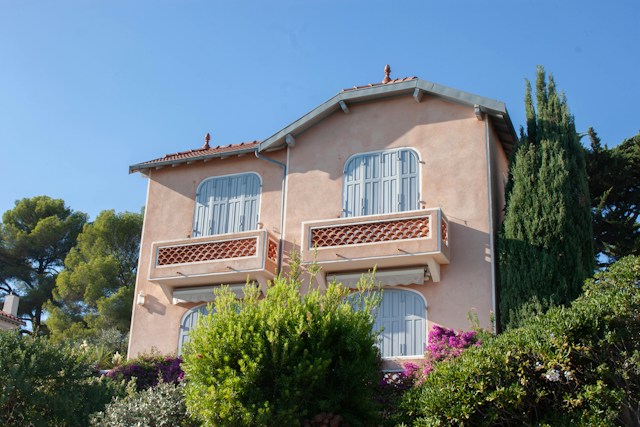

Older homes often have character that newer builds struggle to match, yet weathered exterior surfaces can hide their best features. Strategic updates can restore that charm while improving protection, energy performance and everyday maintenance. The key is to focus on visible elements that also serve a practical purpose, from the roofline and cladding to the front path. A coordinated plan will usually produce a more polished result than a collection of unrelated cosmetic fixes.
First Impressions Begin Outside
Start by viewing the property from the street, where mismatched colours, stained surfaces and overgrown plants become easier to spot. Take photos from several angles, then use them to identify the three areas drawing the most attention. This simple exercise helps prevent spending on details that barely affect the overall appearance.
Cleaning may be enough to revive paths, brickwork and boundary walls. Pressure washing, gutter clearing and careful pruning can expose original features that have gradually disappeared from view. For further inspiration, these exterior renovation ideas cover visible upgrades such as doors, windows and cladding. Check drainage and loose paving at the same time, since a tidy entrance should also be safe to use.
Investing in Timeless Kerb Appeal
Choose a small exterior palette that respects the home’s period and suits permanent materials such as brick or stone. Two main colours plus one accent usually create enough contrast without making the frontage feel busy. Try sample pots on different walls and inspect them in morning light, full sun and shade before committing.
The roof occupies a large part of the visible exterior, so faded coatings or widespread staining can weaken an otherwise thoughtful update. Professional roof restoration can address deterioration through appropriate cleaning, repairs and protective treatments, depending on the roof’s material and condition. Pair that work with restrained improvements at ground level. More kerb appeal ideas include refreshed hardware, planters and layered lighting that can lift an entrance without altering its character.
Why Comprehensive Roof Restoration Pays Off
An older roof needs closer attention than its appearance alone suggests. Cracked tiles, loose ridge capping, rust patches and blocked gutters can allow moisture into roof spaces, where damage may spread before it becomes visible indoors. Arrange an inspection after severe weather or when you notice flaking coatings, sagging gutters or marks on ceilings.
Restoration may involve cleaning, replacing damaged sections, treating rust, re-bedding or re-pointing tiles and applying a suitable protective coating. The exact scope should follow the roof’s material and condition. Ask for written details of preparation, repair methods, coating systems and warranties before accepting a quote. If large sections have failed structurally, restoration may no longer be suitable, so an honest condition assessment should come first.
Simple Siding and Paint Refreshes
Cladding and painted surfaces can often be refreshed without changing the home’s architecture. Begin with repairs: secure loose boards, replace rotten sections and seal gaps around windows before painting. Coating damaged material only hides the problem for a short time and may trap moisture underneath.
Select exterior products designed for the surface, especially on fibre cement, timber or masonry. Coastal properties also benefit from finishes made to tolerate salt, strong sunlight and frequent rain. Keep decorative trim slightly lighter or darker than the main wall colour to define windows and rooflines. If you’re planning several frontage updates, this guide to smart property upgrades can help you coordinate practical improvements with a consistent street-facing look.
Protecting Your Biggest Asset
Exterior work lasts longer when maintenance becomes part of the plan. Inspect painted surfaces each year for bubbling or peeling, clear leaves from gutters and trim plants that hold moisture against walls. After storms, look from ground level for displaced roofing materials, overflowing downpipes and branches rubbing against the building.
Keep dated photos, invoices, product colours and warranty documents in one folder. These records make future repairs easier to match and give tradespeople useful information about previous work. A simple seasonal routine can also prevent small faults from becoming disruptive projects. Once the roof, walls and drainage are sound, finishing touches such as clear house numbers, warm entrance lighting and a freshly painted front door will feel deliberate instead of distracting from unresolved wear.
Image Credit: Pexels