Ask most people what protects their home, and they’ll say the roof and the walls. Windows and doors rarely get a mention. Yet they’re the only parts of a house you use every single day. They let in light, keep out weather, welcome guests, and lock out strangers, often all at once. Few parts of a home work this hard for so little credit.
That’s why replacing them is less like swapping a light fixture and more like choosing a long-term teammate for your house. Whether you’ve lived in Bradford for decades or just moved in and inherited a set of tired frames, a little planning goes a long way. Here’s what’s worth thinking about before you begin.
Signs It May Be Time for a Replacement
Not every older window needs to go. Sometimes a repair or fresh weatherstripping is enough. But a few clues suggest it’s time to start comparing options:
- Drafts or cold spots near the frame, even when everything is closed
- Fogging between glass panes, which often means the seal has failed
- Sticking, warping, or hard-to-lock sashes and doors
- Visible damage, such as rot, cracks, or peeling paint
- Higher energy bills that don’t match your usual habits
- More outside noise than you remember
Think About Energy Efficiency
For many homeowners, this is the biggest reason to replace. According to Natural Resources Canada, windows, doors, and skylights can account for up to 25% of the energy lost from a home, and ENERGY STAR certified windows are about 20% more energy efficient than the average window. Your actual savings will depend on your home, what you’re replacing, and how well the new products are installed.
What to Look For
- ENERGY STAR certification, the mark of tested, high-efficiency products in Canada
- Double or triple glazing, where extra panes add insulation
- Low-E coatings, thin layers that help reflect heat back into the room
- Gas fills, such as argon between panes, for added insulation
Choose Your Window Materials and Styles
Once you’ve thought about efficiency, it’s time for the fun part: deciding how your windows will actually look and perform. Materials and styles affect everything from upkeep and durability to how much light and fresh air each room gets. It helps to think about how you use each space, since a kitchen window you open daily has different needs than a fixed window in a quiet stairwell.
Frame Materials
- Vinyl: low-maintenance and budget-friendly
- Fibreglass: strong and stable through big temperature swings
- Wood: warm and classic, though it usually needs more upkeep
- Aluminum: slim and durable, but it conducts heat more readily
Popular Window Styles
- Casement: opens outward and seals tightly when closed
- Double-hung: a familiar choice for traditional homes
- Sliding: easy to operate and good for wider openings
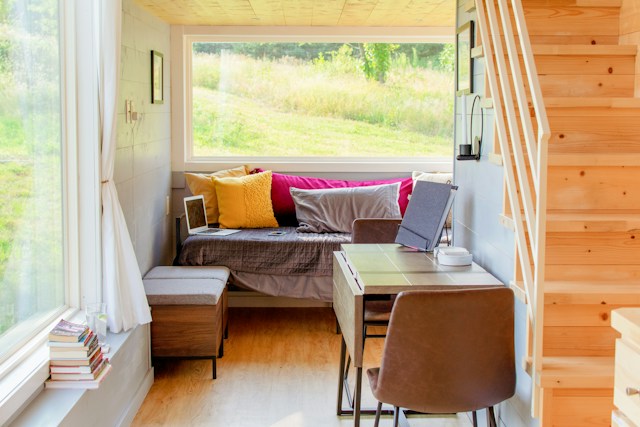
- Fixed (picture): great for views and natural light
Don’t Forget Your Exterior Doors
Doors often get less attention than windows, but they matter just as much for comfort, security, and curb appeal. Natural Resources Canada notes that ENERGY STAR certified doors are about 15% more efficient than standard ones.
Things to Weigh
- Material: fibreglass, steel, and wood differ in insulation, durability, and upkeep
- Security: look for solid construction and quality locks
- Weather sealing: a tight seal keeps out drafts and moisture
- Style: your front door sets the tone for the whole house, so choose one that suits it
Finding the Right Installer
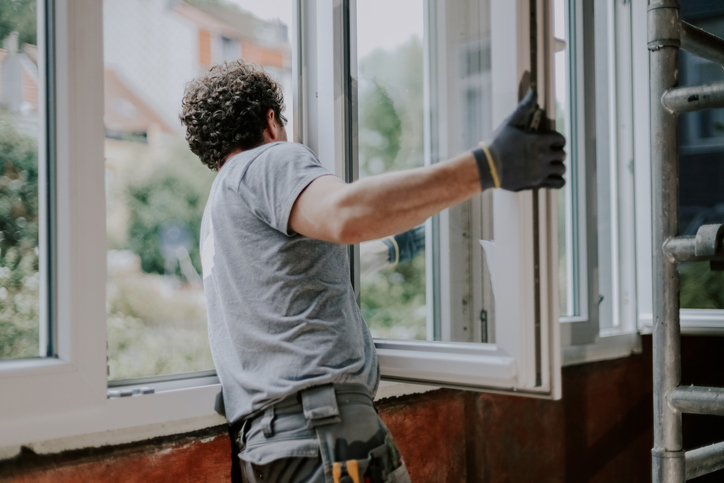
Even great products can disappoint if they aren’t installed properly. Poor installation can lead to drafts, condensation, and even water leaks. When you’re looking for a window and door company in Bradford, take your time and compare experience, product range, warranties, and reviews from neighbours or local homeowner groups. A thoughtful team will measure carefully, explain your options clearly, and never rush you into a decision.
Questions to Ask Before You Sign
Once you’ve narrowed your list, a few good questions can reveal a lot. Companies like Premier North Windows & Doors typically offer estimates and can walk you through products, timelines, and warranties, so use that conversation to ask:
- Is the quote itemized, including materials, labour, and cleanup?
- What warranties cover the products and the installation?
- How long will the project take, and what should I expect while the work is underway?
- Are the products ENERGY STAR certified?
- Will you handle permits, if any are needed?
It’s perfectly fine to collect more than one quote. A good professional welcomes comparison.
Set a Realistic Budget and Timeline
Costs vary with the number of openings, the materials, and the style, so there’s no single price tag. A few practical tips:
- Think long term. Better efficiency and durability can help offset a higher upfront cost over time.
- Consider phasing the project. Start with the most worn windows or your front door.
- Plan around the seasons. Many homeowners prefer milder weather, though installers can often work year-round.
- Look into rebates. Local and federal programs change, so check what’s currently available.
Conclusion
Windows and doors may not get much credit, but they shape how your home feels every day, from the light in your kitchen to the sense of security at your front entrance. Replacing them is a big decision, and it goes more smoothly when you understand the signs, weigh efficiency and materials, and choose an installer you trust.
Take your time, ask plenty of questions, and compare your options. With a little research, you can end up with a home that’s more comfortable, more efficient, and a better reflection of you.