
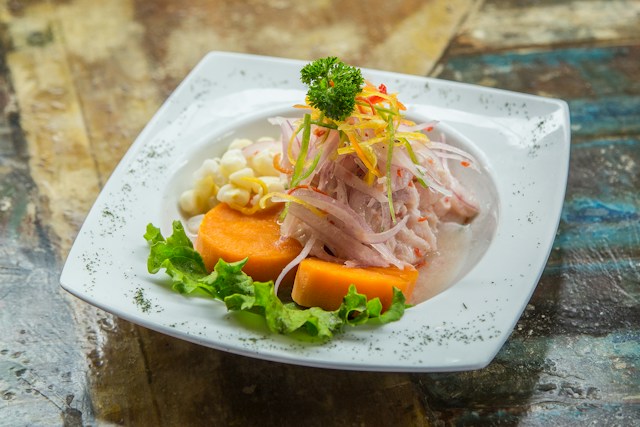
Nikkei cuisine brings Japanese precision to Peru’s bright, produce-led cooking, creating food that feels both refined and full of energy. Its growing presence on contemporary menus reflects diners’ appetite for sharp flavours, careful presentation and dishes designed for sharing. Yet this style is far more than a fashionable fusion. It developed through generations of cultural exchange, giving it the history and depth to support constant creative reinvention.
A Harmonious Blend of Traditions
Nikkei cooking emerged after Japanese migrants began arriving in Peru at the end of the 19th century. They adapted familiar techniques to local seafood, chillies, citrus fruits and vegetables, gradually creating a distinct culinary identity.
The care associated with Japanese cuisine remains visible in precise knife work, balanced seasoning and respect for each ingredient. Peruvian cooking contributes acidity, heat and bold colour. Together, these qualities produce dishes such as tiradito, where thinly sliced fish meets a lively chilli and citrus dressing.
This Japanese-Peruvian fusion now appeals well beyond Lima because it offers freshness without sacrificing depth. Every element has a purpose, from a crisp garnish to a measured dash of soy.
Essential Ingredients Defining the Style
Several ingredients give Nikkei cuisine its recognisable character. Soy sauce adds savoury depth, whilst yuzu or lime supplies clean acidity. Peruvian ají chillies bring fruitiness as well as heat, and ingredients such as sesame, ginger and coriander create aromatic layers.
Fresh seafood often takes centre stage, so quality and careful preparation matter. Tiradito should taste bright and balanced, with dressing applied close to serving so the fish keeps its texture.
You can also judge the cooking through its contrasts. A successful dish may combine tender fish with toasted corn or pair a rich sauce with pickled vegetables. These details stop strong flavours from becoming heavy.
Experiencing Authenticity in Contemporary Menus
Authenticity in Nikkei cooking comes from understanding its roots and techniques, not from freezing dishes in one historical form. Contemporary chefs may introduce British seasonal produce or present a classic recipe in a new shape, yet the balance between Japanese restraint and Peruvian vibrancy should remain clear.
When choosing a Peruvian restaurant, look for a menu that shows this balance through fresh seafood, bright marinades, chilli, grilled dishes and contrasting textures. The strongest modern interpretations should still make the Peruvian influence easy to recognise, even when the presentation or ingredients take a more contemporary direction.
For a first meal, order across several parts of the menu. Begin with a raw or lightly cured dish, follow it with something grilled and include a vegetable plate or rice dish. Three or four small plates between two people usually provide enough variety to recognise how the kitchen handles acidity, texture and heat.
Ask staff how spicy a dish is before ordering. Ají amarillo can taste fruity and warming, whilst rocoto often delivers a more forceful kick. That small conversation helps you build a meal in which one plate doesn’t overwhelm the next.
Reinterpreting Street Classics for Modern Diners
Peruvian street food gives chefs a rich base for experimentation. Anticuchos, traditionally grilled skewers with a deeply seasoned marinade, can appear with mushrooms, fish or vegetables and a polished garnish. Causa, a chilled potato dish, may be arranged in neat layers with avocado, seafood and chilli sauce.
These updates work best when the original appeal remains intact. Anticuchos still need smoke and char, whilst causa should retain its smooth potato texture and lively seasoning. Diners can look past elaborate plating and ask a simple question: does the dish still deliver a clear contrast of flavour and texture?
Nikkei cuisine thrives because these reinventions feel connected to a living food culture. The most memorable meal might begin with delicate tiradito and finish with a smoky skewer, leaving citrus, chilli and savoury depth in careful balance.
Image credit: Unsplash