Few proteins carry the same allure as fresh crab meat. That gentle sweetness, the soft pull of tender fibers, the way it transforms a simple dish into something special. But let’s be honest: the cost can sting. So how does a buyer know whether that higher price actually reflects higher quality? It comes down to a handful of reliable signals. Here are eight practical ways to judge whether premium crab meat earns its place in the shopping cart.
1. Appearance Speaks Before the First Bite
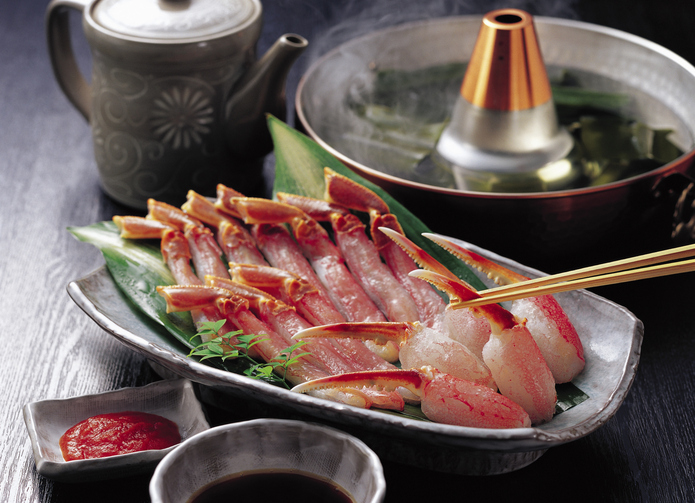
Good crab meat has a clean, pearly white tone with faint blushes of pink or red near the edges. When the color leans gray or washed out, that usually means the product has been sitting around too long. Texture matters here, too. Look for defined, chunky pieces that hold together on their own. Jumbo lump and lump grades should arrive in recognizable clusters, not be crumbled into mush. If everything looks shredded or waterlogged, the picking and packaging likely fell short.
2. Smell Tells an Honest Story
One quick sniff reveals more than most labels ever will. Genuine fresh crab carries a light, briny scent, almost like a clean sea breeze. The moment something sour, sharp, or ammonia-like creeps in, that’s spoilage talking. Reliable suppliers keep their product chilled from the moment it leaves the water, and that rapid cooling locks in the mild, naturally sweet aroma. Sourcing premium fresh crab meat for seafood dishes from a vendor with strong cold-chain practices means the product arrives smelling exactly the way it should, ocean-fresh and inviting.
3. Texture Reveals Processing Quality
Press a piece between your fingers. Premium crab meat feels firm but gives slightly, almost springy. If it turns rubbery or leaves a slick, slimy film, something went wrong during pasteurization or storage. Hand-picked crab tends to have a more natural bite than machine-processed batches, where speed often trumps careful handling. That difference shows up clearly on the plate.
4. Taste Should Be Naturally Sweet
Real quality announces itself through a soft, clean sweetness that needs no help from heavy seasoning. Cheaper options sometimes lean on salt, citric acid, or preservatives to stretch shelf life, and those additives shift the flavor in ways that are impossible to miss. A glance at the ingredient list goes a long way here. The shorter the list, the better. Ideally, it reads as crab meat and very little else.
4.1 The Saltwater Test
Try rinsing a small portion under cold water and tasting it plain. Authentic crab keeps its gentle, sweet character even after a rinse. Treated or chemically preserved meat, on the other hand, tends to go flat and taste vaguely chemical once those additives wash off. It’s a simple trick that exposes a lot.
5. Packaging Date and Source Transparency
Sellers who stand behind their product make harvest dates, species names, and origin regions easy to find. Blue crabs from the Chesapeake, Dungeness from Pacific Northwest waters, and king crab pulled from Alaskan seas: each brings a distinct flavor and texture. Vague labeling that skips these details often covers up blended species or lower-grade imports. Clear sourcing information signals accountability, and that accountability usually extends to the quality inside the container.
6. Shell Fragment Count Matters
Even the most careful hand-picking can leave behind the occasional shell piece. That’s normal. But finding fragments scattered throughout the entire container points to rushed production. Reputable operations run multiple checks, including candling under bright light, to catch stray bits before the product ships. A high shell count subtly indicates that corners were cut during processing.
7. Grade Classification Alignment
Crab meat grades exist for a reason. A colossal lump sits at the top, with large white pieces suited for elegant presentations. Claw meat falls at the other end, darker and bolder in flavor. Paying a premium price for claw meat that was labeled as “lump” is a clear warning sign. Understanding these categories protects buyers from misleading packaging and wasted spending.
Matching Grade to Recipe
Lump and jumbo lump shine in crab cakes, chilled salads, and any dish where presentation counts. Claw and special grades, meanwhile, blend beautifully into soups, dips, and stuffings where smaller pieces disappear into the mix. Picking the right grade for the recipe at hand prevents overpaying for visual appeal that nobody will notice once it’s stirred into a chowder.
8. Price Consistency Across the Market
A deal that falls well below the going rate deserves a second look. Seasonal shifts, species availability, and logistics costs all shape fair pricing for crab meat. Checking rates from a few reputable sellers establishes a reasonable range. When something comes in dramatically cheaper, it often turns out to be a frozen-then-thawed product passed off as fresh, or a less desirable species swapped in quietly.
Conclusion
Buying fresh crab meat doesn’t have to feel like a gamble. Color, scent, texture, taste, labeling clarity, shell content, accurate grading, and fair pricing all serve as dependable checkpoints. Even running through three or four of these before a purchase significantly reduces the risk of disappointment. When the quality is genuine, every bite confirms why the premium was worthwhile, and that’s the kind of return a good seafood meal should always deliver.