
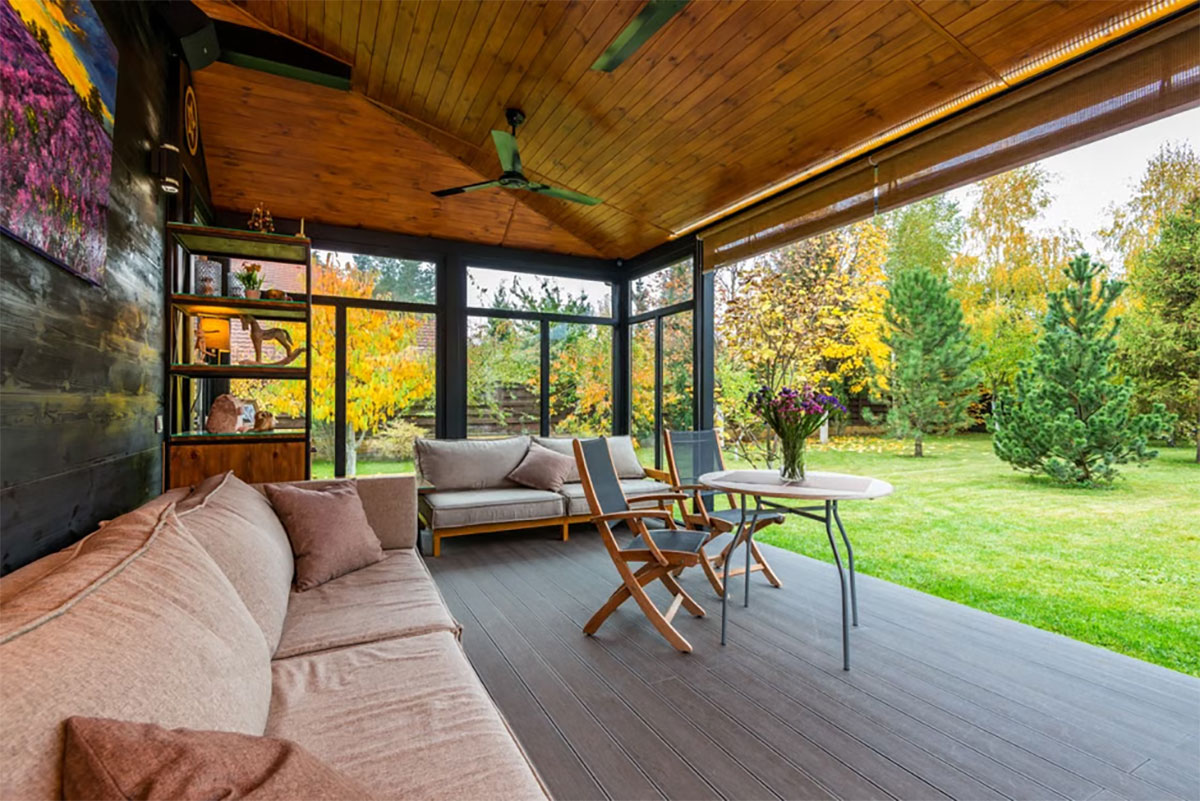
Sustainable landscaping is changing the way gardens, terraces and courtyards are planned. Instead of treating outdoor areas as decorative spaces that demand constant upkeep, designers are creating places that use water carefully, support local wildlife and remain practical throughout the year. The result can still feel polished and luxurious, but every plant, surface and structural choice has a clearer purpose.
This shift also reflects how people now use their gardens. Outdoor spaces often need to accommodate dining, quiet relaxation, children’s activities and informal entertaining within a relatively small footprint. Sustainable design brings those needs together while reducing waste and long-term maintenance.
The Rise of Mindful Garden Architecture
Mindful garden architecture starts with observing the site before changing it. Sunlight, shade, wind direction, drainage and existing vegetation all affect how comfortably a space will function. A sunny corner might suit a seating terrace, while a damp boundary could become a planted rain garden filled with moisture-tolerant species.
This site-led approach is central to sustainable landscape design, where materials and planting respond to local conditions. It can prevent common problems such as overheated patios, struggling plants and rainwater pooling beside the house. Keeping a healthy mature tree, for example, may provide shade and summer cooling that would otherwise require a new structure.
The layout should also match your daily routine. Place frequently used seating near the house, keep paths wide enough for comfortable movement and position storage where gardening tools can be reached without crossing planted beds. If entertaining is a priority, the ideas in this guide to a luxurious outdoor entertaining area can help you organise lighting, furniture and shelter without overcrowding the garden.
Successful plans often use fewer materials across several connected zones. Repeating the same paving tone, edging detail or planting palette gives the garden a calm visual rhythm. It also reduces offcuts, makes future repairs simpler and stops a compact space from looking fragmented.
Rethinking Traditional Timber Surfaces
Decking can turn an awkward slope, balcony or unused corner into a level area for dining and relaxation. Traditional timber has warmth and character, yet it usually needs regular cleaning, staining or sealing to control weathering. Boards can also become rough or slippery if moisture, shade and organic debris aren’t managed carefully.
Material choice should begin with the conditions on site. Check how much direct sunlight the area receives, where rainwater will drain and whether nearby trees are likely to drop leaves onto the surface. In a heavily used garden or commercial courtyard, maintenance time and slip resistance deserve as much attention as colour.
Composite boards offer another option for projects where durability and straightforward care are priorities. Prestige Lawns’ composite decking offers options for gardens, balconies and commercial spaces. When comparing products, check the specifications for slip resistance, recycled content, expected service life and warranty coverage. It is also worth asking how the material can be reused or disposed of at the end of its life.
Good installation matters just as much as the boards. A stable subframe, suitable gaps and clear drainage routes help prevent standing water and premature movement. Choose a finish that works with the building’s exterior, then order samples and view them outdoors at different times of day. Grey can appear blue in cool shade, while deep brown may become much warmer under afternoon sun. A carefully selected surface should sit quietly within the wider garden instead of dominating it.
Balancing Aesthetics and Biodiversity
A wildlife-friendly garden can look deliberate, elegant and well maintained. Clear edges, repeated plant groups and defined paths create visual order, while varied flowers, seed heads and ground cover provide food and shelter. This combination works especially well in contemporary gardens, where a neat terrace can sit beside softer planting.
Start by increasing the number of plant layers. A small tree or tall shrub forms the upper level, medium shrubs offer nesting cover, and perennials fill the space closer to the ground. Low-growing plants protect the soil and reduce bare patches where weeds establish. The principles explored in designing with nature show how ecological processes can become part of the design itself.
Aim for flowers across a long season. Spring bulbs can support early insects, summer perennials provide nectar during warmer months, and autumn seed heads extend both food and visual interest. Where possible, select species suited to your soil and climate because well-matched plants tend to need less watering and fewer interventions.
Water adds further value, even on a small scale. A shallow basin with safe access points can provide drinking water for birds and insects, while a planted channel can slow rain flowing from a roof or paved area. Clean it regularly and avoid placing it where fallen leaves will quickly accumulate.
These choices fit within regenerative landscape design, which considers how a site can restore ecological function over time. Leave some stems standing through winter, keep a small pile of logs in a sheltered corner and limit unnecessary night lighting. Warm, low-level fittings directed towards paths will preserve the atmosphere while reducing disturbance beyond the seating area.
Designing Spaces That Weather Every Season
A sustainable outdoor space should remain useful after summer has ended. Seasonal resilience comes from combining reliable drainage, durable materials and plants that retain structure through colder months. Evergreen shrubs, ornamental grasses and trees with textured bark prevent the garden from becoming visually empty once flowers fade.
Plan for rainfall first. Water should move away from buildings and soak into planted ground where possible. Permeable paving, gravel strips and generous borders can reduce run-off, though every material needs a suitable base to work correctly. The sustainable landscape case studies illustrate how water management, planting and public use can operate as one connected system.
Shade also needs careful thought. Deciduous trees can block strong summer sun while allowing more light through bare branches in winter. Pergolas with climbing plants offer a similar seasonal effect, though their supports and mature weight should be considered at the design stage. In exposed gardens, hedging can soften wind without creating the turbulence associated with completely solid barriers.
Furniture and accessories can follow the same long-term logic. Look for replaceable covers, repairable frames and neutral pieces that will still suit the space if planting colours change. Store cushions in a ventilated box and clean surfaces according to the manufacturer’s guidance, since aggressive treatments may shorten their life.
Allow space for the garden to evolve. A border filled to its mature density will need less intervention than one designed around undersized plants and large areas of exposed soil. Review drainage after the first period of heavy rain, notice where people naturally walk and adjust planting where shade develops. That gradual refinement is part of sustainable outdoor living. The most successful space will feel established because each season improves its character instead of revealing another maintenance problem.
Image Credit: Pexels