
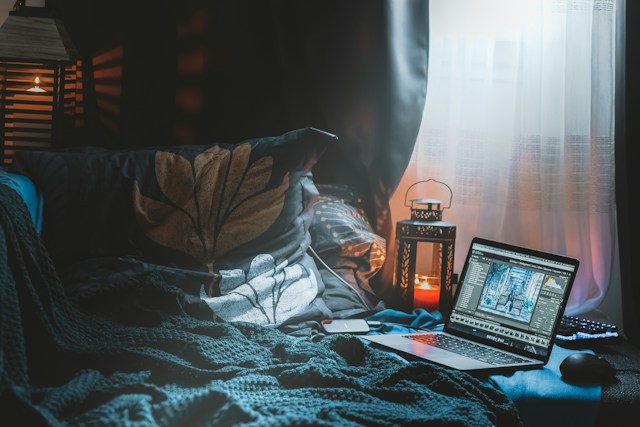
A cosy home can support rest, concentration and everyday wellbeing, especially when colder weather makes us spend more time indoors. Comfort comes from a sensible mix of warmth, soft lighting, supportive furniture and personal details. You don’t need to redecorate every room or buy everything at once. A few thoughtful changes can turn an overlooked corner or busy living space into somewhere that feels calmer at the end of the day.
The Power of a Warm Sanctuary
Physical comfort affects how easily you settle at home. A room that feels cold, cluttered or harshly lit can keep you slightly on edge, whilst warmth and order signal that it’s time to slow down. This matters in spaces used for recovery, such as the living room after work or a bedroom before sleep.
Start with the parts of the room you notice first. Clear the chair that has become a home for clean laundry, move work equipment out of sight, and deal with any obvious draughts. Once the visual distractions have gone, introduce comfort through useful layers. A washable throw, a supportive cushion and a rug underfoot can soften the room without making it feel crowded.
Think about sound too. Thick curtains and upholstered furniture absorb some of the noise that bounces around rooms with hard floors. A quiet radio programme, gentle playlist or simply the absence of television can change the mood further.
Temperature brings these details together. Consistent, comfortable warmth makes it easier to read, talk or enjoy a cup of tea without reaching for another jumper every few minutes. Your sanctuary should suit the way you actually live, so focus on one room that you use regularly before spreading changes across the whole home.
Designing Your Cosy Nook
A cosy nook works best when it has a clear purpose. You might want somewhere to read for half an hour, do a crossword, knit or enjoy an uninterrupted morning coffee. Choosing one main activity helps you decide what the area genuinely needs.
Look for underused space near natural light. The corner beside a window, the end of a hallway or an alcove beneath shelving could all work. Guides to cosy home nooks often focus on colour and atmosphere, but dimensions matter just as much. Check that you can sit comfortably and still walk around the furniture.
A simple nook might include:
- A chair that supports your back
- A small table for a book and drink
- A warm lamp with an adjustable shade
- A basket for blankets or current reading
- One personal object, such as a photograph or piece of pottery
If you’re considering a more permanent focal point, stoves and fireplace options can help Yorkshire homeowners compare different ways to add warmth and character. Installation requirements, room size, ventilation and ongoing upkeep should all be discussed with an experienced installer before making a choice.
For a less permanent arrangement, these reading corner ideas show how furniture placement and textiles can define a small area without structural work.
Efficient Heating for Comfort
A relaxing home still needs to be practical. Start by checking where heat escapes, particularly around windows and exterior doors. Draughts may need seals, a door brush, or professional repair.
Set heating controls around your daily routine rather than heating empty rooms. Keep radiators clear of furniture and curtains so warm air can circulate. A small thermometer can also help identify colder areas.
The Glossy Magazine’s guide to staying warm without raising bills offers practical ways to retain heat and use heating efficiently. Curtains, rugs and suitable clothing can provide extra comfort without constantly increasing the thermostat.
Regular maintenance also matters. Service heating equipment as recommended, keep vents clear and test smoke and carbon monoxide alarms according to the manufacturer’s instructions. If a room remains unusually cold, ask a qualified professional to check the insulation, controls or heating system.
Beyond Warmth: Aesthetic Appeal
Cosiness has a visual language, though it doesn’t require every surface to be beige or every chair to be covered in cushions. A restrained colour palette can feel warm when it includes earthy reds, deep greens, muted blues or creamy neutrals. Choose two or three shades already present in the room, then repeat them through smaller pieces such as lampshades, throws and artwork.
Lighting has one of the strongest effects after dark. A single bright ceiling light can flatten a room and create uncomfortable glare. Use several light sources at different heights instead. A table lamp beside the sofa, a floor lamp in a dark corner and a small shaded light on a shelf will create gentler pools of illumination. Warm-toned bulbs are usually better suited to evening relaxation, whilst a directed task lamp helps with reading.
Texture adds depth without demanding more colour. Pair smooth wood with woven fabric, glazed ceramics with wool, or crisp cotton with a soft rug. The aim is to give the eye a few places to rest, not fill every empty surface. Advice on creating a home self-care space also highlights the value of choosing items that support a specific calming routine.
Finish with something living. A suitable houseplant, seasonal branch or small vase of flowers adds shape and colour. Check light levels and care needs first, particularly if pets or young children share the room.
Making Your Home an Escape
A home retreat earns its place through regular use. If your cosy corner only looks attractive in photographs, it may need a practical adjustment. Keep the objects linked to your chosen activity close at hand, charge an e-reader nearby and make sure the lamp switch is easy to reach from the chair.
Small rituals help separate home life from the working day. Put your laptop away, turn on a softer lamp and spend ten minutes doing something that doesn’t involve a notification. On busy evenings, even a short pause can create a clear boundary between obligations and personal time.
Protect the space from gradual clutter. Give books, blankets, and cables a defined home, then reset the area before bed. These low-effort sanctuary ideas are useful if you prefer small changes that won’t lead to a major renovation or demanding maintenance routine.
Comfort also shifts with the seasons. Lighter cotton layers and open curtains may suit spring, whilst autumn calls for thicker textiles and earlier use of lamps. Store out-of-season items in one labelled box so the room can change without accumulating piles.
The most convincing retreat will reflect your habits, not a showroom. Leave the novel you’re actually reading on the side table, choose a mug you enjoy using, and position the chair where the afternoon light falls. Those specific details make the space inviting enough to return to tomorrow.
Image Credit: Unsplash