

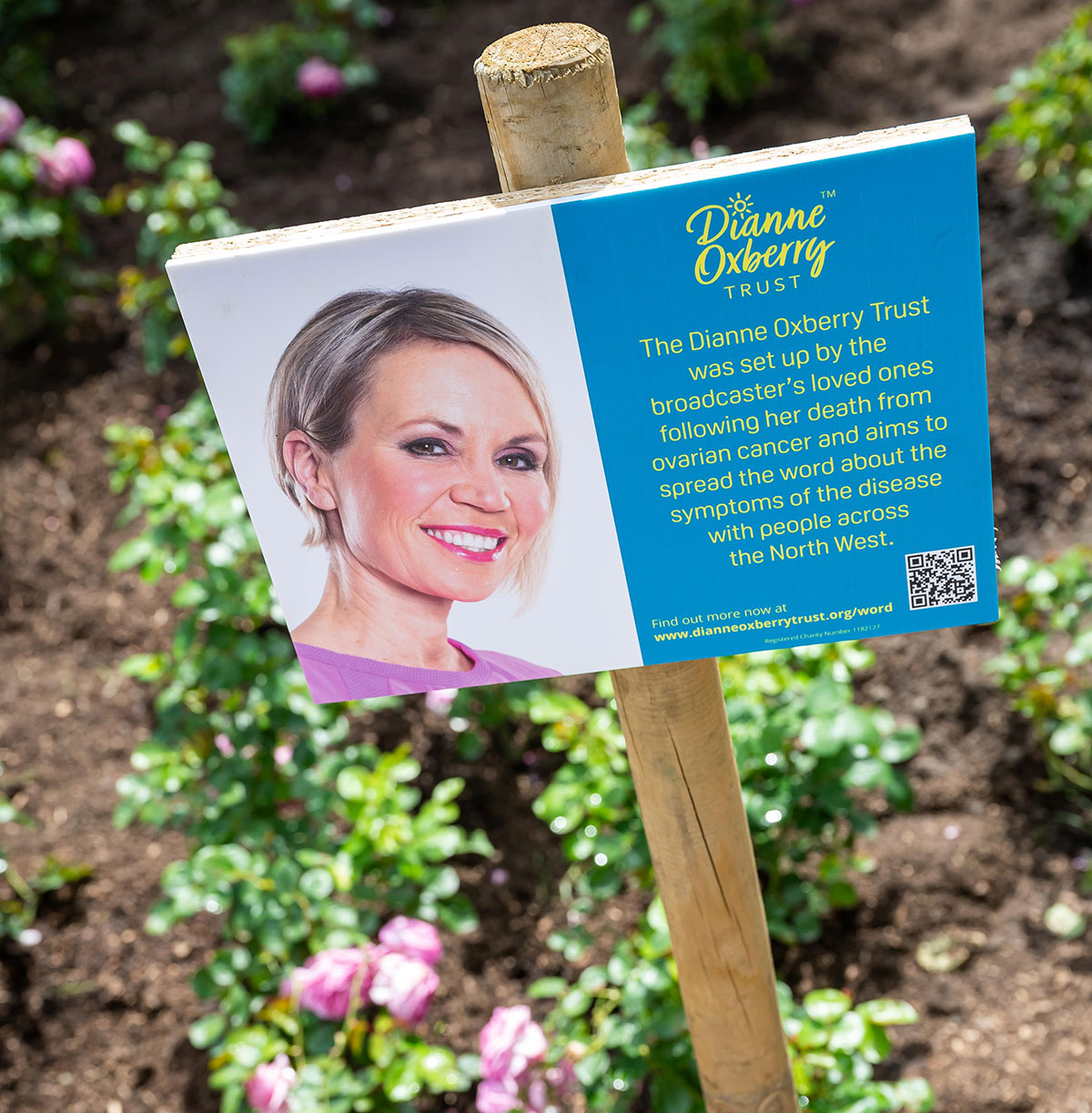
When popular broadcaster Dianne Oxberry died in 2019, there was a huge outpouring of grief across our region. The shocking speed of her death from ovarian cancer, just ten days after her diagnosis, was an awful tragedy, but one that her loved ones vowed would be turned into something positive.
The Dianne Oxberry Trust was formed, and whilst being run primarily by volunteers, the charity has been shouting loudly about ovarian cancer locally ever since. Now, seven years on from the loss of Dianne, those closest to her are stepping up their efforts to raise awareness of the symptoms of ovarian cancer, in an attempt to improve early diagnosis and save lives across the North West.
How well do you know your ovaries?
Ovaries are two small organs in the pelvis, each about the size of an almond. They are part of the female reproductive system, releasing eggs and producing hormones such as oestrogen and progesterone. These hormones control the menstrual cycle and fertility, and oestrogen also supports many parts of the body, including bones, the heart, brain and general wellbeing.
Knowing your ovaries and understanding your body and what is – or isn’t – normal for you, is really important. It means you can look out for any changes that might happen and can take prompt action if you’re worried.
Know the symptoms
Many of the symptoms of ovarian cancer can go unnoticed or can be mistaken for other illnesses, such as irritable bowel syndrome or even menopause.
With someone dying every two hours from ovarian cancer, and prevalence in some parts of the North West 22% higher than the rest of England, it’s arguably never been more important to be aware of the signs and symptoms to look out for – especially because if diagnosed in its earliest stages, more than 90 per cent of people survive for five years or more.

The WORD to look out for…
The main symptoms to look out for can be remembered thanks to the Dianne Oxberry Trust’s simple acronym WORD:
Weeing more often
Overly bloated feeling
Reduced appetite or feeling full quickly
Dull ache in the pelvis or tummy
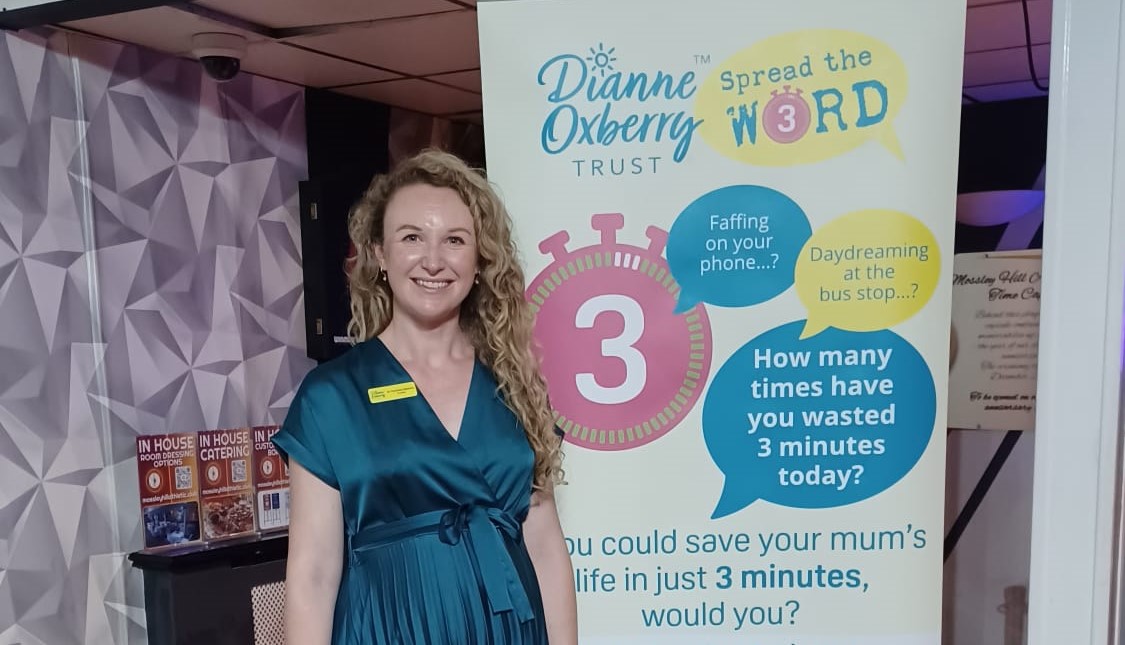
The Spread the WORD campaign has been running for several years, with local businesses, healthcare professionals and famous faces such as Lorraine Kelly, Dan Walker, Dion Dublin and Simon Mayo helping bang the drum and raise awareness.
Alongside the WORD acronym, other signs and symptoms to look out for include a change in bowel habit, extreme fatigue, unexpected weight loss, any vaginal bleeding after menopause and any unusual bleeding from the vagina before menopause too.
Record the symptoms
Using a symptoms diary, such as the free one from the Dianne Oxberry Trust (www.dianneoxberrytrust.org/symptoms), can help you make a note of what you’re experiencing.
The diary is a simple tool to help spot patterns in your symptoms over a three week period. You can track them, noticing what’s not normal and recording anything that feels unusual for you. There’s space to add additional information, such as how strong, how long or anything that made the symptoms better or worse and, once complete, taking the diary to your GP can help them to understand more about what is going on so they can arrange tests if needed.
Preparing for your GP appointment
Going to the GP can sometimes feel daunting, but being prepared with a symptoms diary can help you feel more confident.
Before heading to the surgery, think about your symptoms and note down any family history of ovarian, breast or bowel cancer if you know it too. Write down anything else that’s worrying you, and if you feel it will help, arrange to take someone with you for support.

Spreading the word saves lives
The symptoms, especially those in the Dianne Oxberry Trust’s WORD acronym, can happen for many reasons, but if you notice them, it’s important to take action to get them checked.
With busy lives and lots of spinning plates, it’s often easy to dismiss or put off making that important appointment, but prompt action can literally save lives – as messages to the Dianne Oxberry Trust from people in our area have shown:
“Through this, my friend self-diagnosed and saw her doctor, who was prompt in organising the tests needed. She is undergoing chemotherapy now.”
“I took my girl to the GP after reading the symptoms…it may be your article saved her life.”
“Keep doing what you’re doing and spreading awareness. It only has to reach one person to potentially save a life like mine. Thank you.”
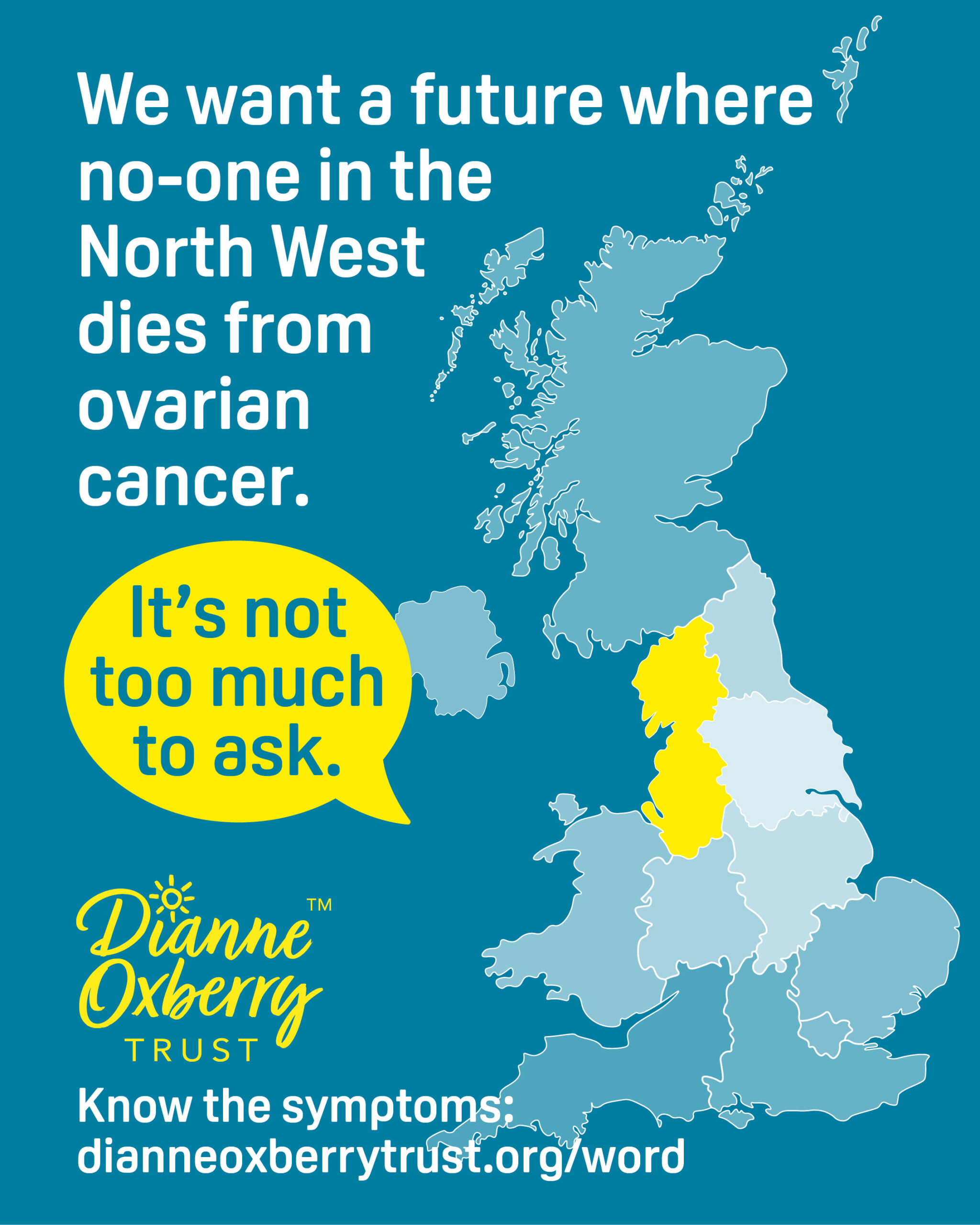
As the charity formed in Dianne Oxberry’s honour heads into its seventh year of vital awareness-raising, they are committed to trying to achieve their ambitious mission – a future where no-one in the North West dies of ovarian cancer.
And, if we all take a couple of minutes to Spread the WORD and learn the symptoms, we could be doing just that – saving our own lives, or the life of someone we love, so that more families locally have more time with those closest to them than Dianne’s had with her.
By Claire Briscoe