
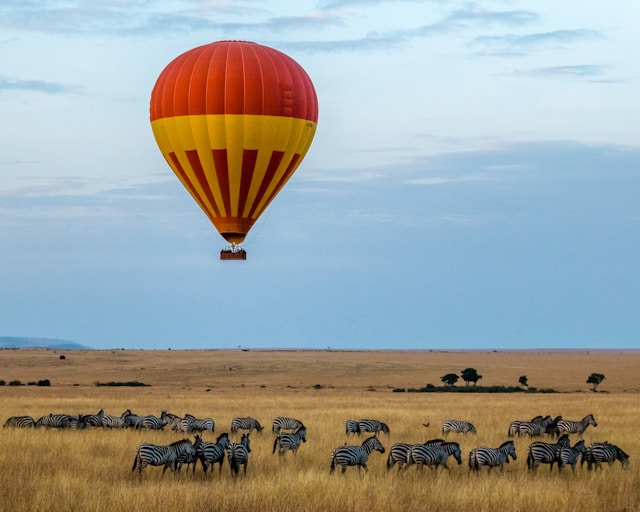
Seeing a sloth hanging from a tree branch or watching monkeys play in the canopy is an unforgettable part of travel. These moments really connect us to the natural world. But as travelers, we also need to make sure these encounters are good for the animals, too. Ethical wildlife tourism is all about enjoying animals in their natural home without messing things up or causing harm.
Understanding Ethical Wildlife Tourism
Ethical wildlife tourism means putting the animals’ well-being first. It’s about watching wildlife from a distance that shows respect, without getting in the way of their natural behaviors. This is a key part of any ethical traveler’s guide. It’s totally different from activities that use animals just for fun, like riding elephants, taking selfies with tigers that have been drugged, or touching sea turtles.
A truly ethical experience lets animals stay wild. They should be able to move, eat, and act just like they would if you weren’t there. The goal is to watch, not to interact. If a tour tells you that you can touch, hold, or feed a wild animal, that’s a big warning sign that it’s probably not good for the animal.
Researching Responsible Operators
The best way to make sure your experience is ethical is to pick your tour operator carefully. Good companies are open about what they do and really care about animal welfare and conservation. Before you book, do some digging into the company. Look for a clear animal welfare policy on their website and read reviews from other travelers. Pay attention to comments about how guides treated the environment.
When you’re looking at places known for lots of different animals, you’ll find plenty of operators. For example, when you’re checking out Titan Costa Rica tours, you can look at their plans to see if they focus on respectful viewing in national parks. Don’t be shy about asking questions directly: How close do you get to the animals? Do guides make sure people follow rules about noise and distance? Finding ethical wildlife experiences often comes down to this kind of initial research.
Minimizing Your Impact
Once you’re on your trip, how you act personally is just as important as what the tour operator does. The main idea is to just be a quiet observer. This means staying a good distance away from any animals you see. A good rule of thumb is if an animal changes what it’s doing because you’re there, you’re too close.
Never feed wild animals. It can make them rely on people and become aggressive, and the food you give them might even be bad for their health. Stick to the paths to avoid disturbing delicate homes and nesting spots. Keep your voice down and don’t make sudden moves that could scare wildlife. Following these simple tips helps you interact ethically with wildlife and leave their home just as you found it.
Capturing Moments Respectfully
Taking pictures is a great way to remember seeing wildlife, but it should never make the animal uncomfortable. Turn off your camera’s flash. That sudden bright light can scare or confuse many animals, especially ones that are active at night.
Don’t try to get a selfie with a wild animal. This usually means getting too close, which can stress out the animal and be dangerous for you. Use a zoom lens to get amazing photos from a safe and respectful distance. Your main concern should always be the animal’s well-being, not getting the perfect shot. A photo of an animal acting naturally is much more meaningful than one that’s been set up.
Supporting Conservation Efforts
Ethical wildlife tourism can really do a lot of good. When you choose responsible tour operators, you’re helping local economies and giving communities a reason to protect their natural resources. Many ethical tour companies and lodges put some of their profits towards local conservation projects, restoring habitats, or stopping poaching.
You can also help by paying entrance fees to national parks and protected areas. This money directly funds keeping these important places safe. When you’re buying souvenirs, pick local crafts made from sustainable materials instead of things made from animal parts. Your travel choices can create a good cycle where tourism actually helps protect the very creatures you came to see.
Being a thoughtful and informed traveler helps you enjoy the magic of seeing animals in the wild, all while helping to keep them safe for future generations.
Image Credit: Unsplash