
Everyday journeys often require extra planning when mobility needs are involved. School runs, shopping outings and trips to medical appointments can become challenging without a vehicle designed for accessibility and comfort.
Wheelchair accessible vehicles address these challenges with features such as ramps, secure wheelchair restraints and spacious interiors. With several models available on the second-hand market, families can find options that fit practical requirements and budgets, making daily travel smoother and less stressful.
The Hidden Challenges of Everyday Travel
For many families with mobility needs, even routine journeys can mean a series of logistical hurdles. A suitable vehicle can make daily routines significantly easier.
Many UK households include someone with significant mobility requirements. Finding dependable second-hand WAV options early in the search eases pressures and changes how families approach everyday travel. For example, a school run with wheelchair users requires additional planning, such as allowing extra time for loading and securing a wheelchair.
Shopping outings present practical challenges, too. Securing parking close enough to store entrances, making sure shop layouts are navigable with mobility equipment, and managing purchases alongside a wheelchair all demand cooperation and planning.
The emotional experience is important as well. Families often report feeling pressure around timekeeping, which can affect overall wellbeing. Using a well-adapted WAV helps reduce both the logistical and emotional strains, allowing for greater independence and a more positive daily routine.
The benefits can go beyond convenience, offering a sense of freedom and improved quality of life for both users and carers. For many, wheelchair accessible vehicles may mean less physical effort and more opportunities to stay engaged in the community.
Essential Features That Transform Daily Travel
The right vehicle adaptations help turn demanding journeys into routines. Selecting the correct features makes a noticeable difference in daily travel.
Entry systems remain central. Rear-entry ramps provide easier access in car parks, while side-entry options facilitate boarding at the kerb. Choosing ramps with gentle slopes supports more independent boarding, especially for powered wheelchair users, and aligns with practical advice on navigating kerbs and thresholds safely.
The interior layout needs to match the specific wheelchair size. Lowered floors create extra headroom, and the flexibility of removable front seats can suit varying trip types. For those transporting children along with mobility equipment, ample storage prevents cabins from feeling cluttered.
Modern securing systems are now the standard in quality used WAVs. Four-point restraints keep the wheelchair stable without slowing down the boarding process. These systems can be especially useful for families managing busy mornings or hurrying between appointments.
Climate control plays a major role for wheelchair users experiencing temperature regulation differences. Rear heating and cooling keep all passengers comfortable, regardless of seat position.
Planning Efficient Routes Around Manchester and Cheshire
Knowing where to go and how to get there makes a practical difference for families and individuals planning accessible journeys. Manchester and Cheshire offer venues with excellent accessibility, yet choosing the right routes and preparing in advance often determines how comfortable a daily outing will be.
The Trafford Centre remains popular for its accessible parking, step-free building access and easy-to-navigate corridors. These features streamline shopping excursions for wheelchair users and carers. At Manchester Arndale, accessible toilets on each level and widely spaced lifts help reduce waiting during visits.
Medical appointments at sites such as Wythenshawe Hospital or Manchester Royal Infirmary benefit from reviewing site maps ahead of time. Local experience suggests arriving a bit earlier can allow extra time for parking and moving through hospital grounds.
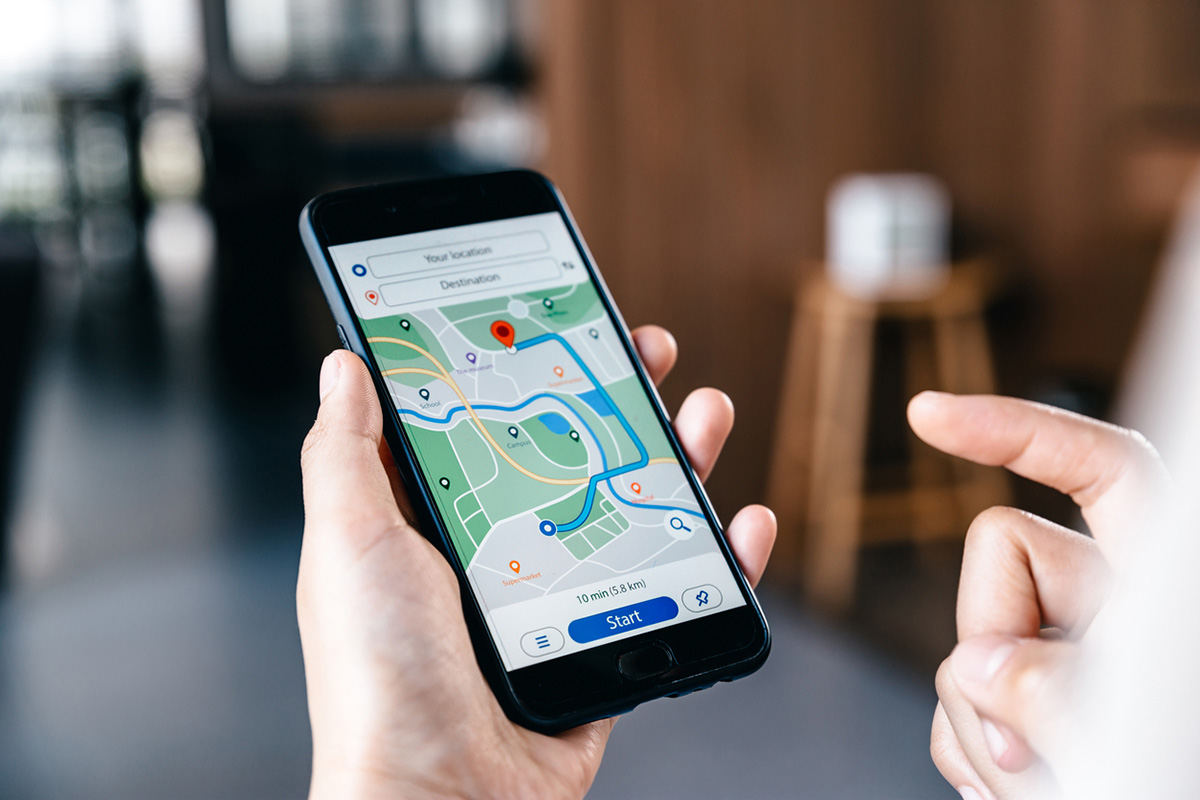
Digital resources simplify route planning today. The AccessAble app gives verified accessibility details for shopping centres, restaurants and public venues throughout Manchester and Cheshire. For those using Google Maps, the option to select wheelchair-accessible routes helps avoid unexpected kerbs or steps, and many travellers share practical insights in guides focused on wheelchair-friendly Manchester.
Identifying reliable places for rest breaks is key for anyone making longer trips. Knutsford services on the M6 provide accessible toilets, and many repeat travellers keep a list of proven stops for emergencies.
Building a Support Network for Regular Journeys
Creating reliable transportation arrangements makes daily life more manageable for families with mobility needs. A strong support network can share responsibilities and reduce the pressure on primary carers.
Communication with schools and workplaces forms the foundation of this network. Many Manchester schools now offer designated drop-off areas for wheelchair accessible vehicles, but these arrangements often require advance discussion with administration. Similarly, workplaces can provide reserved parking spaces when made aware of specific needs.
Local community transport services supplement private vehicle options. Ring and Ride services operate throughout Greater Manchester, providing door-to-door transport for people who struggle with conventional public transport. In Cheshire, the Community and Voluntary Services offer similar schemes for essential journeys, along with community transport support designed for people who need extra help getting around.
Sharing transportation responsibilities works particularly well for families living near each other. School run sharing arrangements between families with accessible vehicles can significantly reduce the weekly journey burden. These informal networks often develop through disability support groups and school connections.
Online communities connect local families with accurate information on accessible travel. Within groups focused on Manchester’s disabled community, individuals regularly address questions about reliable transport routes.
Maintaining Independence Through Accessible Transportation
Reliable transportation directly affects quality of life and independence for people with mobility needs.
For teenagers and young adults, accessible transportation offers the chance at more independent social lives. Used WAVs allow many to attend events and outings with friends, activities that might otherwise require parental accompaniment. This independence can support normal teenage development and social confidence.
Work commutes become more reliable with appropriate vehicles. For many, acquiring dependable second-hand WAV options can open up employment prospects, allowing for travel to different sites and removing barriers to career advancement.
Accessible vehicles may help reduce feelings of isolation and support a sense of identity, as users experience greater freedom and control over their daily routines, reflecting how accessible transport services strengthen independence for people with mobility needs.
As mobility needs change over time, transportation solutions must change as well. Families report that used WAVs offer flexibility for varying requirements, with many vehicles accommodating different wheelchair types and seating arrangements.
Essential Features for Accessible Daily Transport
When selecting a wheelchair accessible vehicle for daily journeys, several features can prove especially helpful. Adjustable ramp angles work in various parking situations. Four-point wheelchair restraint systems provide security with simple setup. Vehicles with flexible seating arrangements accommodate changing family needs. Sufficient headroom ensures comfortable travel. Adequate storage space holds mobility equipment and everyday items.
Accessible Hotspots in Manchester and Cheshire
Several locations across Manchester and Cheshire are known for their accessibility features. The Trafford Centre offers accessible parking bays near entrances and level access throughout. Manchester Arndale provides accessible toilets on every level and multiple lift options. Tatton Park features accessible paths and dedicated parking for blue badge holders. Wythenshawe Hospital and Manchester Royal Infirmary both maintain accessible drop-off points close to main entrances.
Reliable daily travel becomes far more achievable when families have access to the right vehicle, solid support networks and clear route planning. These elements work together to reduce stress and increase independence for people with mobility needs. With thoughtful preparation and a well-chosen used WAV, everyday journeys become safer, smoother and more predictable.