
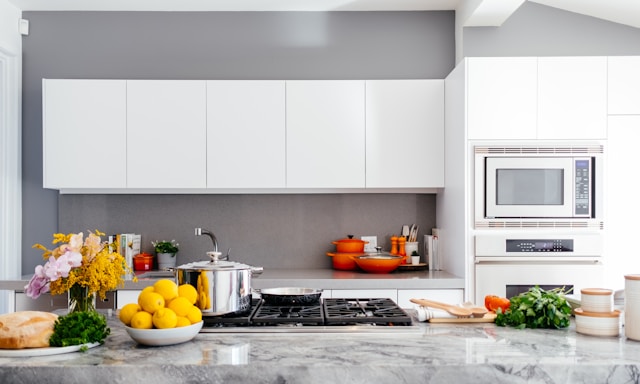
Your journey toward a healthier lifestyle often begins not in the gym, but right in your kitchen. This space is more than just where you prepare meals; it’s the command center for your nutrition, energy, and overall well-being. By making conscious choices about how you organize, clean, and equip your kitchen, you set the foundation for better daily habits.
The Link Between Kitchen and Wellness
Your kitchen’s condition directly influences your food choices and even your mental state. A cluttered, disorganized kitchen can feel overwhelming, making you less likely to cook and more inclined to order takeout. On the other hand, a clean and orderly space makes preparing fresh, nutritious meals feel effortless and enjoyable.
This is why many experts believe a healthy lifestyle starts in the kitchen. When your environment is set up for success, with healthy ingredients visible and tools readily accessible, you’re naturally guided toward better decisions.
Creating a Hygienic Food Prep Zone
Food safety is a cornerstone of a healthy kitchen. One of the biggest risks is cross-contamination, where bacteria from raw meats, poultry, or seafood transfer to fresh produce or other ready-to-eat foods. A clean, dedicated preparation area is your first defense. This means having surfaces that are easy to clean and sanitize.
Using a dedicated, non-porous plastic chopping board for raw proteins is a simple way to keep them separate from vegetables and other foods. Designating specific zones or boards for different food types drastically reduces the risk of spreading harmful bacteria.
Essential Tools for Daily Cooking
You don’t need a kitchen full of expensive gadgets to cook healthy meals. A few essential, high-quality tools can make all the difference. Start with a sharp chef’s knife. A good knife not only makes chopping faster and more efficient but also safer, as it’s less likely to slip than a dull blade. Invest in a set of glass storage containers for meal prep and leftovers; unlike plastic, glass won’t stain or retain odors and is great for reheating. Finally, a durable skillet lets you cook a wide variety of dishes, often with less oil, which supports healthier cooking methods like sautéing and searing.
Keeping Your Cutting Surfaces Clean
Properly cleaning your tools is just as important as owning them. Cutting surfaces, in particular, need careful attention to prevent bacterial growth. For wooden boards, always wash them by hand with hot, soapy water immediately after use and let them air dry completely. They should never be soaked or put in the dishwasher. Plastic boards are generally tougher, and many can go safely through a dishwasher for a high-heat sanitizing cycle.
For a deeper clean on either type, you can use a diluted white vinegar solution to disinfect the surface. These simple routines are key among the healthy kitchen habits that protect your family.
Beyond the Basics: Smart Kitchen Choices
Once your prep zones are clean and your tools are in order, you can focus on systems that support long-term success. Organizing your pantry and refrigerator is a great next step. Use clear containers for dry goods like grains, nuts, and pasta so you can see what you have at a glance. Practice the “first in, first out” method by moving older items to the front to ensure they get used before they expire.
Dedicating a few hours each weekend to meal planning and prepping can also streamline your week, removing the guesswork from “what’s for dinner” and making it easier to stick to your health goals.
Embracing these habits turns your kitchen into a powerful ally on your wellness path. A clean, organized space not only promotes physical health through better nutrition and food safety but also contributes to a calmer, more controlled state of mind.
Image credit Unsplash