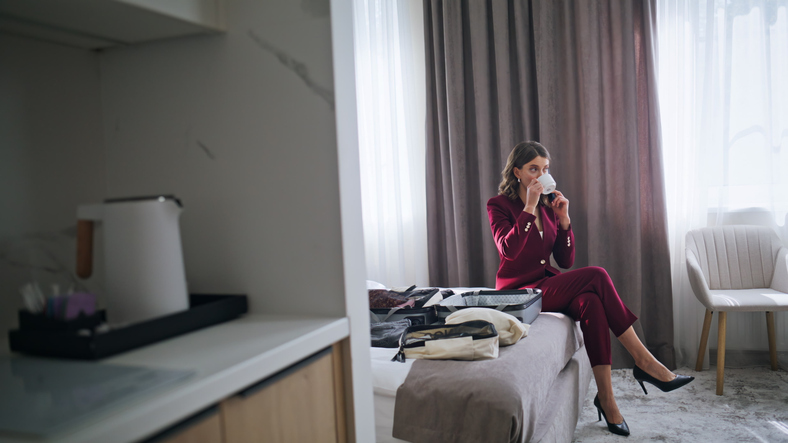
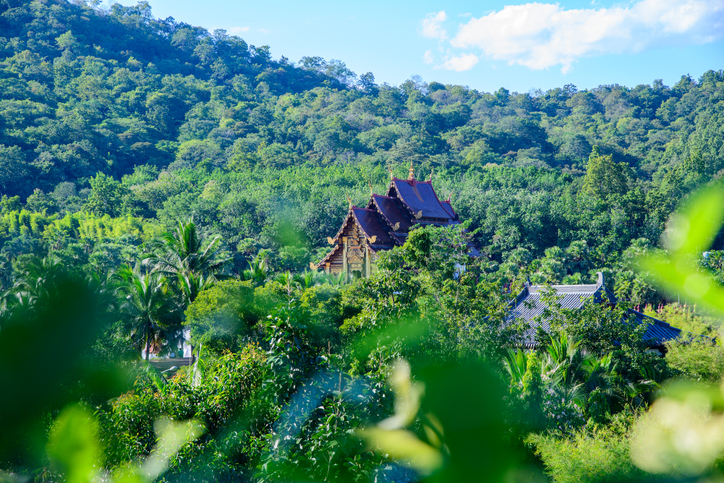
The landscape of high-end tourism across Southeast Asia has undergone a profound transformation. According to recent travel forecasting for 2026 from luxury networks like Virtuoso and Audley Travel, affluent travellers to Asia are increasingly abandoning multi-country hopping in favour of longer, single-destination stays. This shift towards slow travel is particularly evident in Northern Thailand, where the demand for deep local immersion and restorative wellness has taken precedence over rushed, attraction-heavy itineraries. Driven by the Joy of Missing Out (JOMO), modern visitors are seeking high-equity properties that offer absolute tranquillity and a much-needed reprieve from constant digital connectivity. Instead of checking off a rigid list of attractions, these guests are investing their time in meaningful connections, local traditions, and spaces that prioritise mental and physical rejuvenation.
A New Era of Luxury in Northern Thailand
Finding the right basecamp is essential for fully experiencing this new wave of slow tourism. When evaluating the best 5 star hotels in Chiang Mai, properties that successfully bridge ancient heritage with contemporary comforts stand out immediately. A prime example is the InterContinental Chiang Mai The Mae Ping, which operates under a pioneering living museum concept. The property is situated directly adjacent to Wat Chang Kong, a beautifully preserved 600-year-old stupa originally built by a local gong-making community. Inside, the 240 guest rooms feature soft modern minimalism designed by the renowned firm PIA Interior, meticulously incorporating traditional Thai royal craftsmanship into the decor.
At the heart of this cultural renaissance is the historic city of Chiang Mai itself. The destination is evolving rapidly to meet the nuanced demands of the modern slow traveller. Beyond the ancient temples, high-end visitors are gravitating towards contemporary art and cultural spaces like Kalm Village and the MAIIAM Contemporary Art Museum. These venues seamlessly blend modern design with traditional Lanna architecture, offering a sophisticated alternative to standard tourist trails. By stepping away from heavily commercialised zones, visitors can fully appreciate the intricate beauty of authentic northern traditions.
The Rise of the Restorative Retreat
This movement aligns closely with the global quiet luxury trend, where high-net-worth guests prioritise understated, culturally rooted environments over flashy, large-scale resort experiences. For many, a holiday is now viewed as a purpose-driven journey, often referred to within the industry as a whycation. These extended trips focus heavily on personal growth, skill-building, and direct community engagement. It is a deliberate rejection of the fast-paced modern world, offering individuals a chance to reset their nervous systems and return home genuinely refreshed.
The economic and statistical data behind this trend is compelling. Luxury tourism in Thailand currently generates an estimated 60 to 70 billion baht annually, and the sector is projected to expand steadily as affluent visitors seek out premium niche markets. Furthermore, global hospitality industry reports indicate that Thailand’s wellness tourism market experienced a 36.4% annual growth rate between 2023 and 2024, reflecting a deep shift towards culturally rooted wellbeing and restorative health practices.
While southern coastal destinations have long been celebrated for their beachside escapes, as frequently highlighted in previous restorative luxury travel guides, the mountainous north offers a distinctly different form of cocooning wellness. Recognising this, the Tourism Authority of Thailand has explicitly pivoted its recent marketing strategies towards the ultra-luxury wellness sector. Their goal is to attract high-spending visitors who value authentic heritage and profound psychological resets over mass-market attractions. This strategy aims to solidify the country’s reputation as a premier destination for holistic wellbeing and high-end cultural tourism.
Immersive Experiences for the Modern Traveller
What truly defines luxury slow travel today is not just the physical environment, but the access to exclusive, hands-on cultural activities. High-net-worth guests now expect a level of authenticity that goes beyond mere observation. They seek out interactions that leave a lasting positive impact on both themselves and the host community. To facilitate this, top-tier properties are redefining their service models. The appointment of dedicated Cultural Ambassadors, for instance, has become a vital way to connect guests directly with local artists and manage bespoke heritage experiences.
Affluent visitors to Chiang Mai can now engage in a variety of meaningful activities that support local communities and foster a deeper understanding of the region. Popular immersive experiences for the slow traveller include:
- Bespoke Craft Workshops: Guests can learn traditional Lanna umbrella-making, local toy crafting, and regional pottery from master artisans, allowing for tangible skill-building.
- Spiritual Engagement: Observing traditional morning almsgiving ceremonies with saffron-robed monks provides a profound sense of local rhythm and mindfulness.
- Technological Heritage: Using augmented reality technology at select heritage sites to seamlessly blend modern innovation with the rich history of the ancient Lanna Kingdom.
- Sustainable Neighbourhood Tours: Exploring artisan communities and independent galleries at a leisurely pace, supporting responsible tourism initiatives and indigenous craft appreciation.
The evolution of luxury travel in Northern Thailand demonstrates that true exclusivity now lies in cultural depth and personal restoration. By choosing to slow down and embrace the authentic heritage of Chiang Mai, travellers can experience a transformative journey that nourishes both the mind and the spirit. This mindful approach ensures that every stay is as enriching as it is indulgent.