
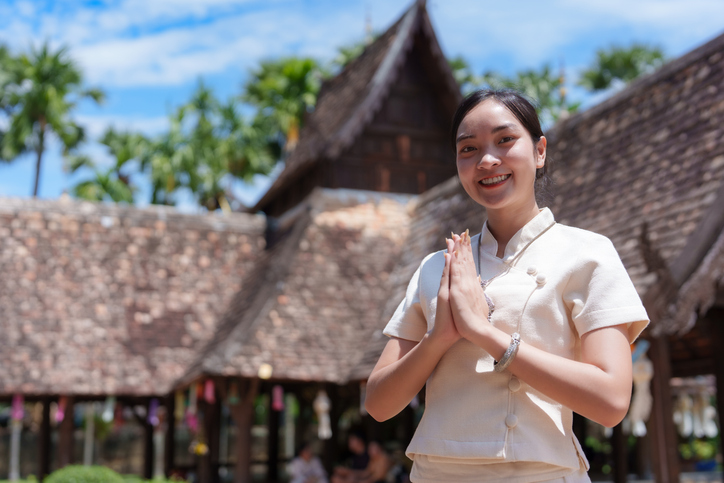
The definition of a luxury holiday is undergoing a profound transformation across the globe. According to recent Bain & Company research, 67% of high-income consumers now prioritise structured free time and experiential depth over the accumulation of traditional luxury goods. Instead of simply booking a lavish resort and remaining within its walls, modern discerning wanderers are looking for meaningful, authentic connections with the destinations they visit. This shift is particularly evident in Northern Thailand. While the vibrant urban landscape and bustling markets of Bangkok have long been a staple of premium getaways, there is a growing appreciation for slow travel experiences that allow visitors to truly immerse themselves in the quieter, more deliberate rhythm of local life in places like Chiang Mai. These mindful journeys focus on lingering longer in one location, savouring regional delicacies, and genuinely engaging with the local culture rather than merely checking famous landmarks off a rapid-fire itinerary.
Supporting Local Communities and Wildlife
A central pillar of this mindful travel movement in Northern Thailand is the evolving relationship between visitors, local communities, and the region’s famous wildlife. In July 2026, the Tourism Authority of Thailand officially launched the Chiang Mai Prototype project, aiming to transition the province into a global benchmark for sustainable tourism. This initiative perfectly aligns with community-led conservation efforts. The Karen people, Thailand’s largest ethnic minority, have historically coexisted with elephants in the mountainous regions for generations.
As the demand for elephants in agriculture and logging declined, many Karen communities successfully transitioned to community-managed eco-tourism initiatives. Choosing to participate in responsible elephant tourism is now a hallmark of the conscious luxury traveller. By supporting initiatives that keep elephants in their natural forest habitats, visitors ensure that traditional mahouts (caretakers) receive fair wages and are not forced to rely on exploitative practices for income. This transition has allowed villages to invest in education, healthcare, and infrastructure, proving that ethical tourism is a powerful catalyst for community upliftment and long-term economic stability.
The Realities of Animal Encounters
Despite growing consumer awareness regarding animal welfare, navigating the landscape of animal encounters requires careful consideration. A January 2026 industry assessment revealed an alarming trend. While demand for traditional elephant riding has sharply declined, a significant number of captive elephants are still subjected to close-contact activities like washing, feeding, and caretaker-for-a-day experiences.
These are often falsely marketed as ethical, yet wildlife experts stress that interactive experiences still require hidden, punishment-based training to safely manage such large animals around tourists. The necessity for rigorous research is highlighted by global conservation charities. According to a recent survey of 236 elephant venues, two out of three elephants are kept in poor living conditions, and 42% are still used for rides, underscoring the urgent need for tourists to consult reliable guidelines before making a booking. Many well-intentioned holidaymakers unwittingly contribute to these harmful industries simply because they are unaware of the hidden cruelties that take place behind the scenes to make wild animals compliant for human entertainment.
How to Identify Genuine Sanctuaries
Because strictly observation-only venues account for just 7% of captive elephants in Thailand’s tourism sector as of 2026, travellers must know exactly what to look for when planning their itineraries. Discerning an authentic sanctuary from an exploitative venue comes down to a few critical indicators. When researching your next mindful getaway to Northern Thailand, keep these vital criteria in mind to ensure your visit is truly ethical:
- Observation-led experiences: Prioritise sanctuaries where direct human interaction is limited or completely non-existent. True ethical venues allow you to observe elephants foraging, dusting, and bathing in their own time, without forced schedules.
- Freedom of movement: Ensure the elephants are free to roam their natural forested habitat without the use of chains or bullhooks.
- Natural socialisation: Elephants are highly intelligent and social creatures. Genuine sanctuaries allow them to form their own herds and interact with one another naturally, free from forced human contact or performances.
- Dietary autonomy: Authentic eco-parks ensure that elephants can forage for natural vegetation, supplementing their diet appropriately without relying on tourists to hand-feed them sweet treats all day.
- Community empowerment: Look for venues that are run by and for the local community. Ethical sanctuaries prioritise animal welfare while also guaranteeing sustainable livelihoods for the local caretakers, creating a circular economy of care.
The Future of Luxury Travel
The modern luxury traveller is increasingly utilising specialised metrics, such as the Trepic Mindful Travel Index, to identify destinations with a high ratio of locals to visitors, actively avoiding locations degraded by overtourism. By prioritising quality over quantity, visitors can actively participate in preserving the cultural and environmental integrity of their chosen destinations.
The shift toward sustainable tourism in Chiang Mai is proof that opulence and ethics can beautifully coexist. When we choose to spend our time and resources on community-led, cruelty-free experiences, we redefine what it means to travel well. We leave behind the outdated model of passive consumption, embracing a future where our holidays leave a profoundly positive impact on both the local people and the wildlife that call Northern Thailand home.