
Education does not stop once you leave school; learning continues through things like copies, conversations, and personal experiences. The people who continue growing over time often build stronger confidence, can adapt better in a variety of different situations, and have a deep understanding of the world around them.
In a world that changes all the time, staying curious is really important. You do not need to follow traditional academic paths in order to keep learning. Small efforts can help you develop skills that you can use every single day and also expand your perspective.
Learning Happens Outside the Classroom Too
Many people think that education only happens when they are in a formal setting, but everyday life offers constant opportunities to learn.
Reading books, listening to podcasts, trying new activities, or even just improving practical skills can help you with your personal growth. Even learning how to manage your finances, cook healthy meals, or communicate more effectively adds long-term value to your life.
Technology has also made learning more accessible than it has ever been before. Online courses, workshops, and educational platforms mean that people are now able to study at home or at their own pace, wherever they want.
Some people choose to continue formal education later on in life. It might be that their goals have changed or they want to move into a different career. For example, professionals looking to expand their technical knowledge may explore options like a master degree in information technology while also balancing their normal workload and family responsibilities. Education is far more flexible and available than it has ever been before.
Building Confidence Through New Skills
Learning something new often feels a little bit uncomfortable when you first start, but that is very normal. Developing new skills can improve your confidence in other areas of your life, too, so you need to keep this in mind. When you challenge yourself regularly, you become more comfortable adapting to change and solving problems independently.
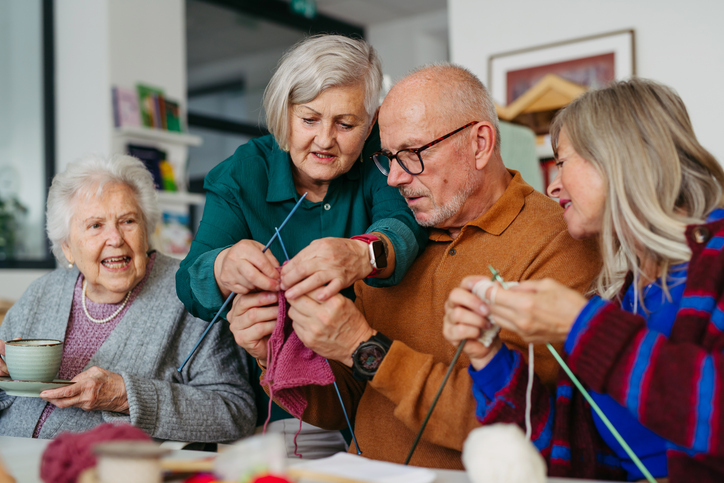
This does not always mean pursuing large achievements. Little progress is really important too. Learning any language, improving public speaking, or understanding basic digital skills can lead to opportunities that affect both your personal and professional life. Growth often happens gradually, one step at a time. Children also benefit when they see adults continuing to learn. This is because it shows them that education is not only tied to grades or exams, but it is something that can easily become part of everyday life.
Preparation Reduces Stress
Big life transitions often feel less overwhelming when you do a bit of preparation. This applies to education, careers, personal goals, and much, much more.
Students who are entering higher education, for example, often benefit from resources that are focused on getting ready for university before the classes begin. Building good study habits, learning how to manage time, and having realistic expectations early on can make the adjustment much smoother.
Conclusion
Education is definitely not limited to classrooms or degrees. Lifelong learning shapes how people think, adapt, and grow over time. Whether you are choosing to learn practical skills, exploring new interests, or preparing for future goals, it is important to have consistent growth, as it helps to build confidence and reliability. Small efforts towards learning today can create lasting benefits in everyday life.
Photo by Julia M Cameron: https://www.pexels.com/photo/photo-of-girl-watching-through-imac-4144222/