
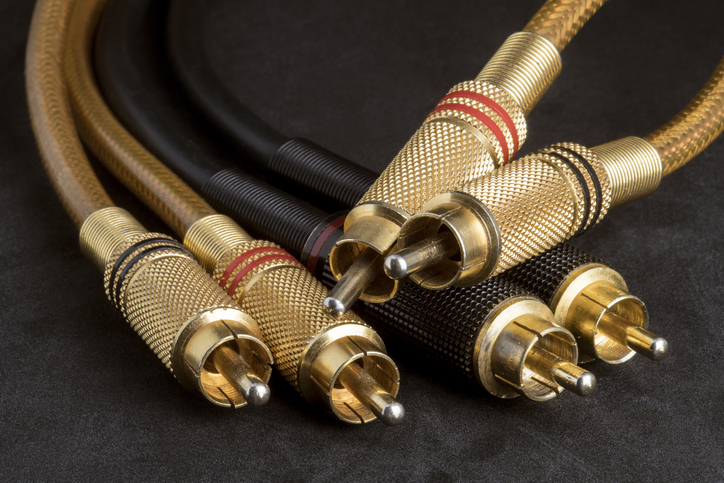
It takes more than great speakers and a solid amplifier to get the best out of an audio system. The cables connecting each component play a quiet but significant role in how music actually sounds. A well-chosen interconnect preserves signal clarity, keeps noise at bay, and lets subtle details come through. A poor choice, meanwhile, can introduce hum, muffle frequencies, or add unwanted coloring. Before picking up the first cable that fits, it helps to understand what separates a smart purchase from a wasted one.
Signal Type and Cable Configuration
Every audio interconnect falls into one of two categories: analog or digital. Analog cables, like RCA and XLR, carry a continuous electrical signal that reacts to shielding quality and conductor composition. Digital formats, such as coaxial and optical, move encoded audio data where precise timing matters far more than raw conductivity.
Getting this distinction right is the foundation of a good setup. Plugging a digital coaxial cable into an analog RCA jack, for example, can produce strange distortion or no sound at all. A quick look at the back of each component confirms which connection type each port expects.
Conductor Material and Build Quality
Most audio cables use copper as the primary conductor, but not all copper is equal. Oxygen-free varieties resist internal oxidation, which helps the wire maintain steady conductivity as it ages. Silver-plated copper tends to favor high-frequency detail, a quality some listeners actively seek out.
Anyone shopping for interconnect cables online will find that trusted manufacturers openly list conductor purity, shielding type, and connector plating for each product. Reviewing those specifications side by side simplifies the comparison process and helps match a cable to the rest of the signal chain. Gold-plated connectors, worth noting, resist tarnishing and keep contact points reliable over years of use.
Shielding and Noise Rejection
Nearby power supplies, wireless routers, and other electronics generate electromagnetic interference that can sneak into a poorly protected cable. Braided shielding uses a woven mesh of fine wire around the conductor, providing strong defense against radio-frequency noise. Foil shielding adds a thin metallic barrier that handles higher-frequency interference particularly well.
Many premium cables layer both methods into a dual-shield design for thorough protection. In rooms where interconnects run close to power cords or transformers, that extra coverage prevents audible hum and static from reaching the amplifier stage. Physically separating signal cables from power lines by even a few inches further reduces the risk of induced noise.
Cable Length and Routing
Shorter runs almost always deliver better results. Less distance means less opportunity for signal loss and interference pickup. A 1-meter cable comfortably handles most rack-based systems. Longer stretches, typical in home theater configurations, call for heavier conductors and denser shielding to offset the added exposure.
How a cable is routed matters, too. Sharp bends strain internal conductors and can lead to micro-fractures over time. Gentle, sweeping curves preserve structural integrity and keep the signal path stable from plug to plug.
Connector Fit and Compatibility
A firm, secure connection prevents micro-vibrations from interrupting the signal at the contact point. Loose plugs often cause intermittent dropouts, especially in spaces with foot traffic or subwoofer vibration. Locking XLR connectors grip tightly and resist accidental disconnection, which is why they remain popular in both studio and home environments.
RCA vs. XLR Considerations
RCA is an unbalanced format. It sends the audio signal through a single conductor with a shared ground. XLR uses a balanced layout with two signal conductors and a dedicated ground, effectively canceling noise picked up along the run. Systems with longer cable paths or components offering balanced inputs gain the most from XLR interconnects.
Budget and Prioritization
A common guideline among audio professionals is to set aside roughly five to ten percent of the total system cost for cabling. Spending well beyond that threshold usually brings diminishing returns. The connection between the source and the preamplifier deserves priority, since it handles the weakest signal in the entire chain and benefits most from quality materials.
Listening tests in the actual system remain the most dependable way to judge performance differences between cables. Several specialty retailers offer trial periods, giving buyers a chance to hear the results before making a final decision.
Conclusion
Choosing interconnect cables is a decision that rewards a bit of patience and attention. Conductor composition, shielding design, connector quality, and appropriate length each shape how accurately sound passes between components. Spending time on these details protects the broader investment already made in quality equipment. A thoughtful cable selection ties an entire audio system together, letting recordings come through the way they were meant to be heard.